Monochrome Dressing: 3 Textures for High-Fashion Depth
Advertisements
Monochrome dressing achieves high-fashion depth by skillfully balancing three distinct textures within a single color palette, creating visual interest and sophisticated elegance without relying on multiple hues.
Monochrome dressing textures can transform a simple, single-color outfit into a statement of effortless high-fashion depth. This approach isn't about bland uniformity; it's about mastering the subtle art of visual storytelling through fabric. Are you ready to elevate your style by understanding how to balance textures within a cohesive color scheme?
The foundational philosophy of monochrome style
Monochrome dressing, at its core, is the art of creating an entire outfit using variations of a single color. This might sound restrictive, but it is, in fact, incredibly liberating. By removing the complexity of color matching, you open up a world where form, silhouette, and most importantly, texture, become the star players. This stylistic choice is often associated with sophistication and a minimalist aesthetic, yet it possesses an inherent power to convey profound sartorial depth when executed thoughtfully.
The beauty of a monochromatic palette lies in its ability to streamline your look, offering a clean canvas that highlights other elements of your ensemble. It’s a deliberate choice that communicates confidence and an understanding of nuanced fashion. However, without careful consideration, a single-color outfit can fall flat, lacking the very depth we aim to achieve. This is where the strategic integration of varied textures comes into play, transforming a potentially one-dimensional look into a multi-faceted visual experience.
Beyond basic black and white: exploring the spectrum
While black and white are classic choices for monochrome dressing, the philosophy extends to every color imaginable. Imagine a rich emerald green outfit, incorporating velvet, silk, and wool. Or a warm terracotta ensemble featuring linen, suede, and a chunky knit. The possibilities are endless, and each color family offers a different emotional and aesthetic impact.
- Neutrals: Beige, cream, gray, and camel provide a sophisticated base, allowing textures to truly shine with understated elegance.
- Bold colors: Reds, blues, and greens create a powerful, confident statement, with texture adding an extra layer of drama and visual interest.
- Pastels: Soft hues like lavender, mint, and baby blue can be elevated with varied textures, adding a dreamy, ethereal quality to the outfit.
The key is to select a color that resonates with your personal style and the occasion, then commit to exploring its textural dimensions. The impact of a monochromatic look is significantly amplified when the chosen color is worn from head to toe, creating an unbroken line that elongates the silhouette and draws the eye to the intricate details of the fabrics.
The psychological impact of a singular hue
Wearing a single color can have a powerful psychological effect, both on the wearer and on those observing. It conveys a sense of unity, purpose, and often, authority. There's an undeniable elegance in simplicity, and monochrome outfits embody this principle perfectly. They suggest an intentionality in dressing, a deliberate choice to focus on form and material over a riot of colors.
In conclusion, the foundational philosophy of monochrome style is built on the premise that less is more, but 'less' doesn't mean boring. It means a heightened focus on the subtleties of fabric and silhouette. By understanding this core principle, we can begin to unlock the true potential of monochrome dressing, transforming it from a simple trend into a timeless sartorial strategy that exudes effortless high-fashion depth.
The undeniable power of texture in fashion
Texture is not merely a tactile sensation; it is a visual language in fashion, capable of adding immense depth, interest, and sophistication to any outfit. In the realm of monochrome dressing, its power is amplified tenfold. When color is removed as a primary differentiator, texture steps forward as the crucial element that prevents an outfit from appearing flat or uninspired. It’s the subtle interplay of light and shadow on different surfaces that creates visual dynamism, even within a single hue.
Think of a painting: a monochromatic work might use various brushstrokes, impasto techniques, and surface treatments to convey depth and emotion. Similarly, in fashion, texture acts as the artist's tool, shaping perception and adding character. A smooth silk next to a rough tweed, or a soft cashmere juxtaposed with a rigid leather, creates a captivating contrast that engages the eye and elevates the entire look. This contrast is essential for achieving that coveted high-fashion feel, transforming everyday garments into something truly special.
How texture creates visual interest
The human eye is naturally drawn to variation. When confronted with a uniform color, our gaze seeks out differences, and texture provides precisely that. It manipulates light, creating highlights and shadows that give dimension to fabric. A matte finish absorbs light, appearing flatter, while a lustrous fabric reflects it, adding a sheen. These variations, however subtle, are what make an outfit visually compelling.
- Light reflection: Shiny textures like satin or patent leather reflect light, adding glamour and drawing attention.
- Light absorption: Matte textures like wool or cotton absorb light, creating a grounded, understated feel.
- Surface irregularities: Fabrics with visible weaves or nubs, such as tweed or bouclé, add a tactile roughness that breaks up uniformity.
Understanding how different textures interact with light is fundamental to mastering monochrome dressing. It allows you to strategically place different elements to create focal points or to subtly blend areas, all within your chosen color palette. This thoughtful approach ensures that your monochromatic ensemble is far from monotonous; it's a symphony of subtle variations.
Texture as a tool for emotional expression
Beyond its visual appeal, texture also carries emotional connotations. A soft cashmere sweater evokes comfort and luxury, while a sharp leather jacket suggests edginess and confidence. A flowing chiffon dress whispers elegance, whereas a structured denim piece speaks of casual practicality. By combining these different emotional qualities, you can craft a narrative within your outfit.
For example, pairing a delicate lace top with a sturdy wool skirt in the same shade creates a compelling tension between softness and strength. This juxtaposition is what makes an outfit memorable and allows for a deeper level of personal expression. The power of texture lies in its ability to add layers of meaning, transforming clothes from mere coverings into a form of communication. Ultimately, embracing the undeniable power of texture is the secret ingredient to elevating monochrome dressing from simple to spectacularly stylish.
Selecting your core monochromatic color palette
Choosing the right core monochromatic color is the first decisive step in constructing a high-fashion, textured ensemble. This color will be the unifying thread throughout your outfit, so its selection should be deliberate and reflect both your personal style and the desired mood. While any color can work, some lend themselves more readily to textural exploration and sophisticated layering.
Consider the occasion, your skin tone, and the overall message you want to convey. A deep navy or charcoal gray offers a powerful, professional aesthetic, while a soft cream or blush pink exudes gentle sophistication. Don't shy away from bolder colors like emerald green or burgundy, as they can create incredibly impactful looks when balanced with varied textures. The key is to commit to a single hue, allowing its nuances and the interplay of textures to take center stage.
Understanding undertones and shades
Even within a single color, there are myriad shades and undertones. For a truly cohesive monochromatic look, it’s often best to stick to similar undertones – either warm or cool. For example, if you choose a warm beige, pair it with other warm-toned beiges, rather than cooler, almost gray-tinged beiges. This subtle consistency ensures harmony across your chosen textures.
- Warm undertones: Colors with yellow, orange, or red bases (e.g., olive green, rust, creamy beige).
- Cool undertones: Colors with blue, green, or purple bases (e.g., navy blue, forest green, icy gray).
However, a sophisticated approach can also involve playing with slight variations in shade within the same color family. A darker tone of your chosen color can anchor the outfit, while lighter shades add brightness and dimension. This creates a more dynamic look than if every piece were an identical hue, mimicking the natural variations found in a single color's spectrum.
Practical considerations for color choice
When selecting your core monochromatic color, think about its versatility. Will it work for multiple occasions? Does it complement your existing wardrobe? A neutral base color like camel, gray, or navy often provides more flexibility and longevity in your wardrobe, making it easier to build diverse textured outfits around it.
Also, consider the season. Lighter, brighter monochromes often feel more appropriate for spring and summer, while deeper, richer tones are perfect for fall and winter. However, with thoughtful texture choices, you can adapt any color for any season. For instance, a light blue can be summery with linen and cotton, or wintery with cashmere and faux fur.
In essence, selecting your core monochromatic color palette is more than just picking a favorite hue; it's about making an informed decision that sets the stage for a truly impactful and effortlessly chic textured ensemble. It's the foundation upon which your high-fashion depth will be built, allowing the textures to perform their magic within a harmonious visual framework.
The magic number: balancing three distinct textures
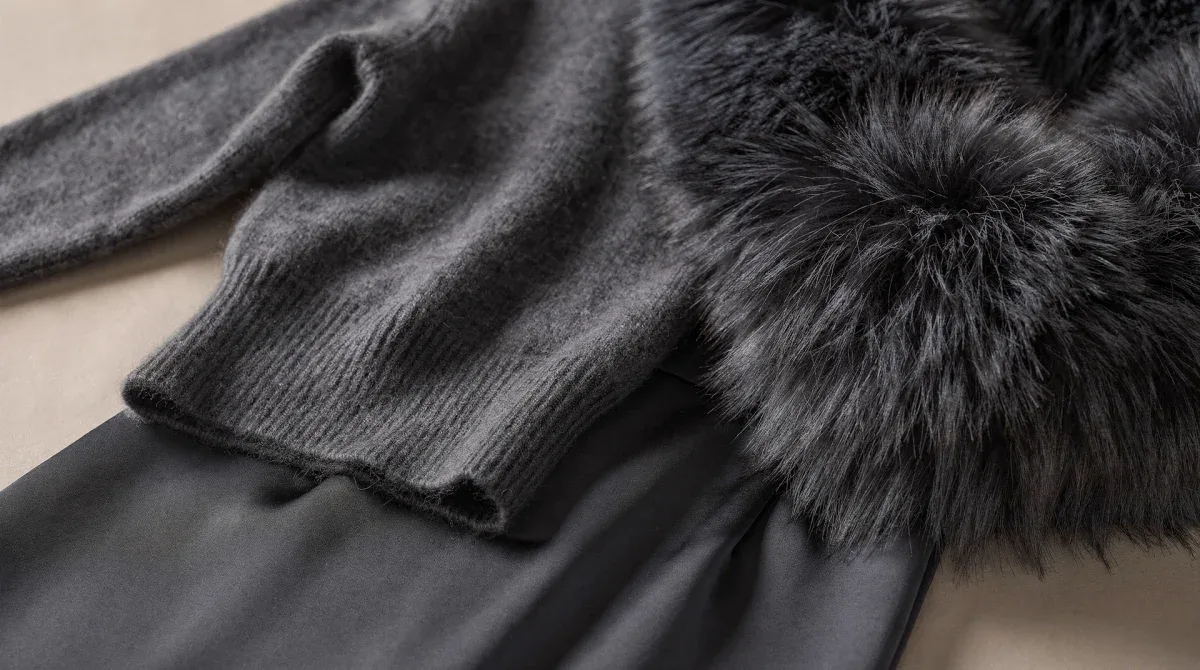
The true secret to achieving effortless high-fashion depth in monochrome dressing lies in the strategic balancing of not one, not two, but three distinct textures. This specific number is often cited by stylists and fashion experts as the 'magic number' because it offers enough variation to create significant visual interest without overwhelming the eye. Two textures can sometimes feel incomplete, while four or more might become too busy, detracting from the elegant simplicity of a monochromatic scheme.
Three textures provide a perfect trifecta: a primary texture that dominates, a secondary texture that offers a clear contrast, and a third accent texture that adds a touch of unexpected intrigue or luxury. This balance ensures that each fabric has its moment to shine, contributing to the overall richness and complexity of the outfit. It's an artful dance of surfaces, where each participant plays a crucial role in the ensemble's visual symphony.
Choosing your textural trio
When selecting your three textures, aim for clear differentiation. Think about contrasting categories: soft, smooth, rough, shiny, matte, structured, fluid. Here are some effective combinations:
- Soft + Smooth + Structured: A cashmere sweater (soft), a silk slip skirt (smooth), and a tailored wool blazer (structured) in the same color.
- Matte + Shiny + Textured: A cotton tee (matte), a patent leather skirt (shiny), and a bouclé jacket (textured) all in the same shade.
- Fluid + Rigid + Plush: Chiffon wide-leg pants (fluid), a denim jacket (rigid), and a faux fur scarf (plush) in a harmonious color.
The goal is to create a dynamic interplay that catches the light differently and offers varying tactile sensations. This contrast is what elevates the monochrome look from simple to sophisticated, demonstrating a keen eye for detail and a deep understanding of sartorial design. Each texture should be distinct enough to be noticeable, yet harmonious enough to blend seamlessly within the single color palette.
Placement and proportion
The placement of your chosen textures is just as important as the textures themselves. Consider where each fabric will be worn on your body and how much of it will be visible. For instance, a dominant texture might be your main garment, like a coat or a pair of trousers. A secondary texture could be a top or a skirt, while the accent texture might be in accessories like a scarf, a bag, or shoes.
Proportion also plays a critical role. Don't feel obligated to have equal amounts of each texture. Often, a larger proportion of a foundational, matte texture can be beautifully offset by smaller, more impactful doses of a shiny or plush texture. This strategic distribution ensures that the outfit remains balanced and visually appealing, preventing any single texture from overpowering the others. By mastering the art of balancing three distinct textures, you unlock the full potential of monochrome dressing, creating ensembles that are rich in depth, intriguing in detail, and effortlessly high-fashion.
Practical applications: building your monochrome outfits
Now that we understand the theory behind monochrome dressing and the power of texture, it's time to delve into practical applications. Building compelling monochromatic outfits is about mindful selection and thoughtful layering. It's about seeing your wardrobe not just as individual pieces, but as components that can be combined to create a cohesive, visually rich narrative. Start by choosing your core color and then identify three distinct textures within that hue that offer a strong visual contrast.
Consider the flow of your outfit from head to toe. How do the textures transition? Does one lead gracefully into another, or is there a sharp, intentional break? These details are what transform a simple monochromatic look into a truly high-fashion statement. Remember, the goal is to create a sense of depth and interest through fabric variations, ensuring that your single-color ensemble is anything but boring.
Everyday chic: casual monochrome with texture
Monochrome dressing isn't reserved for formal events; it can be incredibly impactful in casual settings too. For an everyday look, consider a core color like charcoal gray. You could pair a soft, chunky knit sweater (texture 1) with sleek, tailored wool trousers (texture 2). To add the third texture, introduce a pair of patent leather ankle boots or a smooth leather belt (texture 3).
- Comfort meets style: A cotton jersey t-shirt (matte), denim jeans (structured), and a lightweight silk scarf (smooth) in varying shades of blue.
- Elevated loungewear: A cashmere hoodie (soft), matching knit joggers (soft), and a satin bomber jacket (shiny) in a muted beige.
- Layering for depth: A crisp linen shirt (structured), an open-knit cardigan (textured), and smooth chino pants (matte) in an olive green.
These combinations demonstrate how even the most basic garments can be elevated when brought together under a monochromatic theme with strategic textural play. The key is to ensure each texture is distinctly different from the others, preventing the outfit from looking flat. This approach allows you to maintain comfort while exuding an air of deliberate, high-fashion style.
Evening elegance: formal monochrome with texture
For more formal occasions, monochrome dressing with texture truly shines. Imagine a deep burgundy ensemble. You might start with a luxurious velvet dress (texture 1), layer it with a tailored silk blazer (texture 2), and complete the look with delicate lace details on a clutch or shoes (texture 3). The interplay of these rich fabrics creates an opulent and sophisticated aesthetic.

Another option could be an all-black evening look: a sleek satin gown (smooth and shiny), a faux fur stole (plush), and delicate beaded or sequined accessories (textured and reflective). The contrast between the matte and shiny, the soft and the structured, is what creates that undeniable allure. The single color allows the luxuriousness of the fabrics to speak for themselves, communicating an understanding of refined taste and effortless glamour. By thoughtfully applying these practical strategies, you can confidently build monochrome outfits that embody high-fashion depth for any occasion, proving that simplicity in color can lead to extraordinary style.
Accessorizing for enhanced textural contrast
Once you've mastered the art of combining three distinct textures in your core monochromatic outfit, the next step is to consider how accessories can further enhance this textural contrast. Accessories are not mere afterthoughts; they are powerful tools that can add another layer of depth, interest, and personality to your ensemble. In a monochromatic look, where color is intentionally subdued, accessories become even more critical in providing visual stimulation and reinforcing the high-fashion aesthetic.
Think of accessories as the finishing touches that complete your textural narrative. They can introduce a fourth, subtle texture, or they can amplify one of the existing three. The goal is to choose pieces that complement your chosen color palette while offering a distinct textural quality. This thoughtful selection ensures that every element of your outfit contributes to the overall sense of sophisticated depth, proving that even the smallest details matter immensely in achieving a polished look.
Jewelry: shine and structure
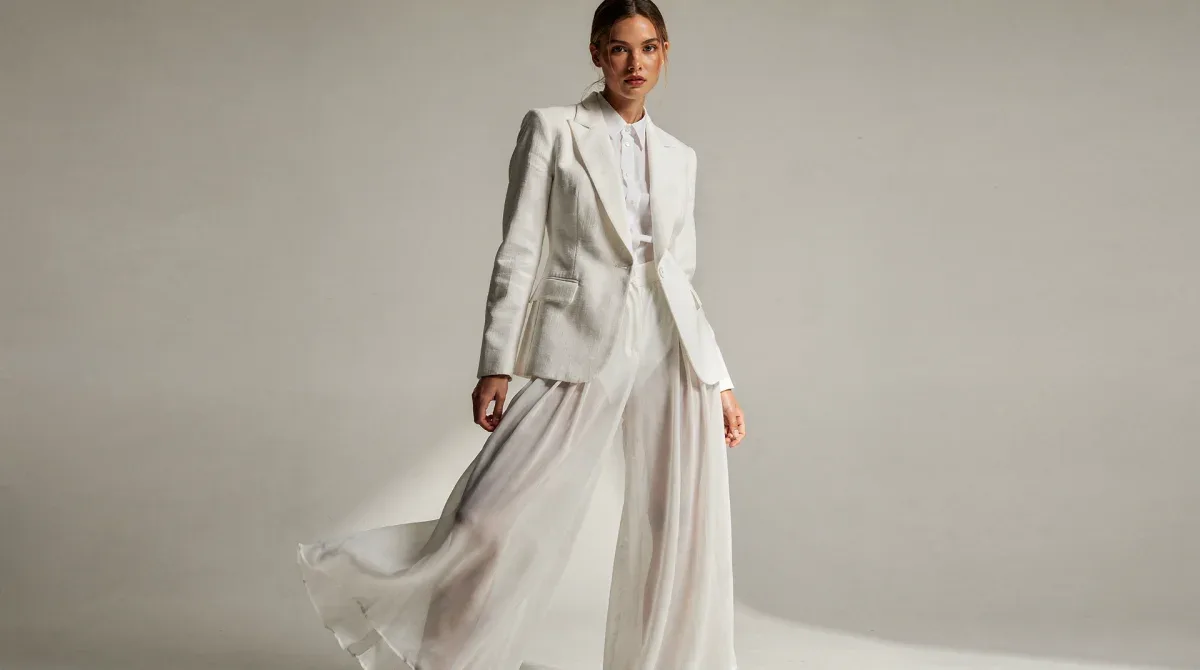
Jewelry, often overlooked in textural discussions, plays a significant role. Metals like gold, silver, or rose gold provide a smooth, reflective texture that contrasts beautifully with matte fabrics. Pearls offer a soft, iridescent quality, while gemstones introduce a hard, faceted surface. Even the design of the jewelry can contribute: a chunky chain necklace offers a different texture than a delicate, intricate pendant.
- Metallic accents: A sleek gold cuff or a silver statement necklace can provide a sharp, reflective contrast to a soft knit or a matte wool.
- Stone textures: A ring with a polished gemstone or a delicate pearl earring adds a touch of organic or refined texture.
- Leather details: A watch with a leather strap can subtly introduce another tactile element.
When selecting jewelry, consider how its inherent texture and reflective qualities will interact with the fabrics of your outfit. The aim is to create a harmonious yet contrasting effect that draws the eye without distracting from the overall monochromatic theme. Simple, elegant pieces often work best, allowing their material quality to speak volumes.
Bags and shoes: the final textural statements
Bags and shoes are arguably the most impactful accessories for enhancing textural contrast in a monochrome outfit. A smooth leather handbag paired with a suede pump, both in your chosen color, immediately introduces two distinct textures that complement the fabrics of your clothing. Consider:
- Patent leather: Offers a high-shine, almost liquid texture that provides strong contrast.
- Suede or nubuck: Brings a soft, velvety, matte finish.
- Exotic skins (faux or real): Crocodile, snake, or lizard textures add a unique, structured pattern.
- Fabric bags: A velvet clutch or a canvas tote can introduce softer, more casual textures.
The choice of bag and shoe texture can significantly alter the overall feel of your monochromatic look. A sleek, structured leather bag with matching heels will convey polished sophistication, while a slouchy suede bag with textured boots might lean towards bohemian chic. By thoughtfully selecting accessories that offer distinct textural qualities, you can amplify the depth and visual interest of your monochrome ensemble, truly completing your high-fashion statement.
Common pitfalls and how to avoid them in monochrome dressing
While monochrome dressing offers a direct path to high-fashion depth, it’s not without its potential pitfalls. A poorly executed monochromatic outfit can quickly veer from sophisticated to dull, or from chic to overwhelming. Understanding these common mistakes and how to avoid them is crucial for consistently achieving that effortless, elevated look. The key lies in maintaining balance, respecting proportions, and never underestimating the power of subtle variations within your chosen single hue.
One of the most frequent errors is treating all fabrics as if they were the same, leading to an outfit that lacks visual distinction. Another is neglecting the importance of fit and silhouette, which become even more prominent when color is uniform. By being mindful of these aspects, you can navigate the challenges of monochrome dressing with confidence, ensuring your outfits always hit the mark for high-fashion elegance.
The 'flat' look: insufficient textural variation
The most common pitfall in monochrome dressing is creating an outfit that looks 'flat' or one-dimensional. This usually happens when all the garments in the ensemble share similar textures, such as an all-cotton outfit or an all-jersey look. Without distinct textural differences, the eye has nothing to latch onto, and the outfit appears uninspired, despite being a single color.
- Solution: Always aim for at least three clearly distinct textures. Mix soft with structured, matte with shiny, or smooth with rough. For instance, if wearing a cotton shirt, pair it with wool trousers and a silk scarf, rather than cotton pants and a cotton jacket.
- Avoid: Relying solely on different shades of the same color without introducing textural contrast. While shade variation helps, it cannot replace the depth that diverse textures provide.
Remember, the goal is to create visual intrigue through surfaces. If your outfit feels boring, chances are you need to introduce a more pronounced textural difference. This is where the 'magic number three' truly proves its worth, offering enough contrast to keep the eye engaged.
Ignoring fit and silhouette
When color is uniform, the lines and shapes of your garments become exceptionally prominent. A monochrome outfit with ill-fitting pieces or unflattering silhouettes can quickly look sloppy or dated. The clean canvas of a single color highlights every curve, every drape, and every cut, making fit paramount.
- Solution: Pay meticulous attention to how each garment fits your body. Ensure trousers are the correct length, blazers are tailored, and tops drape beautifully. Experiment with varying silhouettes within your monochrome look – for example, a voluminous top with slim-fit pants, or a structured jacket over a flowing dress.
- Avoid: Wearing overly baggy or too-tight garments throughout the entire outfit. While oversized styles can be chic, they need to be balanced with more fitted elements to maintain a sense of intention and shape.
The interplay of different silhouettes, combined with varied textures, creates a dynamic visual experience. A structured blazer over a fluid silk dress in the same color, for example, offers both textural and silhouette contrast that is incredibly appealing. By diligently avoiding these common pitfalls, you can ensure your monochrome dressing always projects an image of effortless high-fashion depth, showcasing your mastery of sophisticated style.
| Key Aspect | Brief Description |
|---|---|
| Monochromatic Core | Select a single color for the entire outfit, focusing on its emotional impact and versatility. |
| Three Textures Rule | Balance three distinct textures (e.g., soft, smooth, structured) to create visual depth and interest. |
| Strategic Accessorizing | Use accessories like jewelry, bags, and shoes to introduce further textural contrast and complete the look. |
| Avoiding Flatness | Ensure sufficient textural variation and pay attention to fit to prevent the outfit from appearing dull or uninspired. |
Frequently asked questions about monochrome dressing and textures
Why is balancing three textures important in monochrome dressing?▼Balancing three distinct textures is crucial because it creates visual interest and depth in an outfit that uses only one color. Without textural variation, a monochrome look can appear flat or uninspired. Three textures provide enough contrast to engage the eye without becoming overly busy, achieving a sophisticated and high-fashion aesthetic.
What kind of textures should I combine for a high-fashion monochrome look?▼For a high-fashion monochrome look, aim for textures with clear differences. Good combinations include mixing soft (like cashmere or silk), smooth (satin or fine leather), and structured (wool, denim, or boucle). You can also contrast matte with shiny, or fluid with rigid, ensuring each fabric offers a unique visual and tactile quality.
Can I mix different shades of the same color in a monochrome outfit?▼Yes, absolutely! Mixing different shades of the same color can add even more depth and dimension to your monochrome outfit. This creates a subtle gradient effect that further enhances visual interest. Just ensure that the undertones of the shades are consistent (all warm or all cool) to maintain a harmonious and cohesive look.
How do accessories contribute to textural depth in monochrome outfits?▼Accessories are powerful tools for enhancing textural depth. Jewelry introduces metallic shine or stone textures, while bags and shoes offer additional contrasts like patent leather, suede, or woven fabrics. These elements provide extra layers of visual interest and tactile variation, completing the high-fashion feel of a monochrome ensemble.
What is a common mistake to avoid when dressing monochromatically?▼A common mistake is creating a 'flat' look by using garments with insufficient textural variation. If all pieces are, for example, cotton jersey, the outfit lacks visual excitement. To avoid this, always prioritize incorporating at least three distinct textures to ensure your monochrome ensemble has engaging depth and sophistication.
Conclusion
Mastering monochrome dressing textures is a sophisticated art that transcends simple color coordination, transforming everyday attire into expressions of high-fashion depth. By thoughtfully selecting a core color and strategically balancing three distinct textures, you unlock a powerful aesthetic that is both effortless and profoundly stylish. This approach not only elevates your personal style but also allows for creative self-expression through the nuanced interplay of fabrics, ensuring your single-color ensembles are always captivating and far from mundane.