4 Alteration Hacks: Make Off-the-Rack Blazers Look Bespoke
Advertisements
Professional tailors employ specific alteration hacks to make off-the-rack blazers appear custom-made, focusing on key fit points to elevate style and ensure a perfect silhouette for any body type.
Ever wondered how some people manage to make their off-the-rack blazers look like they were custom-made just for them? The secret lies in understanding a few key alteration hacks that professional tailors swear by. These subtle yet impactful adjustments can transform an average blazer into a perfectly fitting, sophisticated garment, elevating your entire wardrobe.
The foundational importance of a proper blazer fit
A blazer is more than just a piece of clothing; it's a statement. Its fit dictates your silhouette, confidence, and overall presentation. A poorly fitting blazer can detract from your appearance, making you look sloppy or ill-proportioned, regardless of its brand or price. Conversely, a well-tailored blazer, even an affordable one, can exude an air of bespoke luxury and professionalism.
Understanding what constitutes a 'proper fit' is the first step toward appreciating the value of alterations. It’s not just about comfort; it’s about how the garment drapes over your body, accentuating your best features and minimizing less flattering ones. This foundational understanding is crucial before diving into specific alteration techniques.
Why off-the-rack often falls short
Off-the-rack blazers are designed to fit a generalized body type, an average that rarely perfectly matches any individual. This means compromises are inevitable. Sleeves might be too long, the shoulders too wide, or the waist too boxy. These minor imperfections, though seemingly small, collectively prevent a blazer from achieving that coveted bespoke look.
- Standard sizing limitations: Manufacturers use standardized measurements that don't account for individual variations in posture, arm length, or torso shape.
- Fabric drape issues: When a blazer doesn't fit correctly, the fabric can bunch, pull, or hang awkwardly, disrupting the intended lines and elegance.
- Proportion distortion: An ill-fitting blazer can throw off your body's natural proportions, making you appear shorter, wider, or disproportionate.
Ultimately, a proper fit ensures the blazer moves with you, feels comfortable, and presents a polished image. It’s an investment in your personal brand and how you are perceived, making the initial cost of alterations a worthwhile expenditure for long-term style dividends.

Sleeve length and width: the subtle art of precision
One of the most common giveaways of an ill-fitting blazer is incorrect sleeve length. It's also one of the easiest and most impactful alterations. Professional tailors emphasize that sleeve length should allow about a quarter to a half-inch of your shirt cuff to show. This seemingly minor detail significantly elevates the sophistication of your look, signaling attention to detail and a refined aesthetic.
Beyond length, sleeve width also plays a critical role. Sleeves that are too baggy can make the entire blazer look oversized and unkempt, while overly tight sleeves restrict movement and appear uncomfortable. Achieving the right balance ensures a clean line from the shoulder to the wrist, contributing to a sleek silhouette.
Adjusting sleeve length for a polished look
The process of adjusting sleeve length is more nuanced than simply cutting fabric. Tailors consider the blazer's construction, specifically whether the sleeves have functional buttons (surgeon's cuffs) or decorative ones. If the cuffs are decorative, shortening from the bottom is straightforward. However, with functional cuffs, shortening from the shoulder is often preferred, though it's a more complex and costly alteration.
- Measuring precisely: Tailors mark the ideal length while you're wearing a dress shirt, ensuring the perfect cuff exposure.
- Considering buttonholes: For functional cuffs, shortening from the shoulder maintains the integrity and spacing of the buttonholes.
- Hemming techniques: A clean, invisible hem is crucial for a professional finish, preventing fraying and maintaining the sleeve's structure.
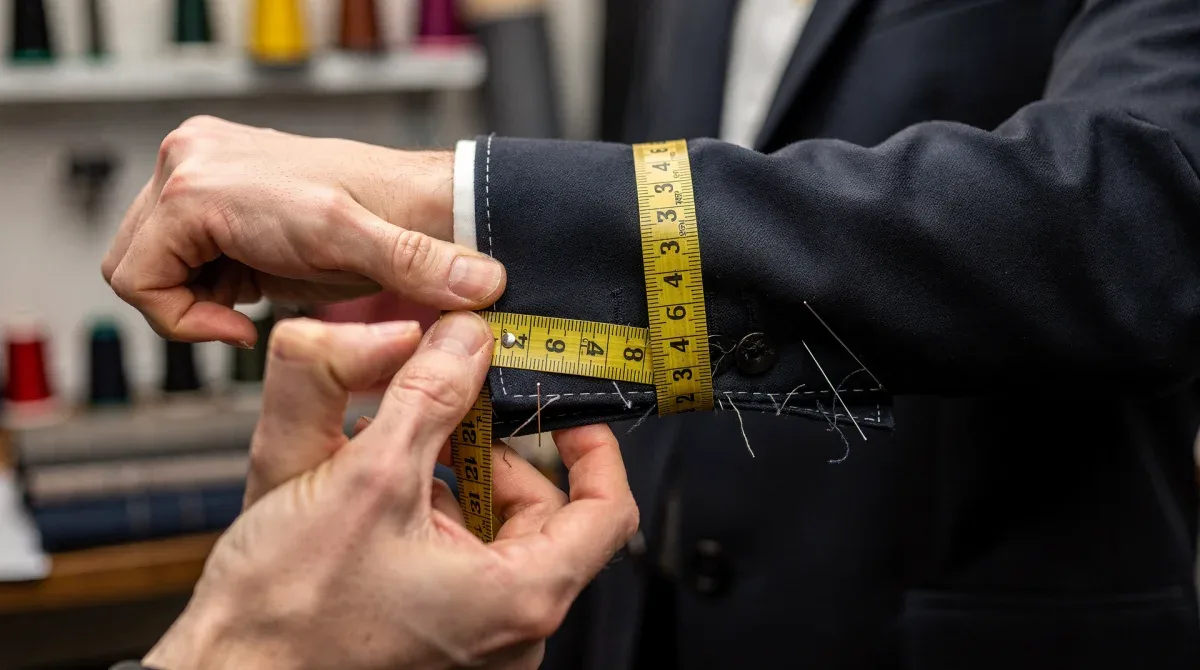
The goal is a sleeve that ends precisely at your wrist bone, allowing just enough shirt cuff to peek out. This creates a visual break that adds depth and refinement to your outfit, making the blazer look custom-made rather than a generic fit.
Tapering sleeve width for a modern silhouette
Once the length is correct, addressing sleeve width can further refine the fit. Many off-the-rack blazers have sleeves that are too wide, especially from the elbow down. Tapering the sleeves creates a more streamlined, modern silhouette that complements the arm without being restrictive. This alteration involves carefully taking in fabric along the inseam of the sleeve.
A skilled tailor will ensure the taper is gradual and consistent, avoiding any awkward bulges or puckering. This attention to detail transforms a baggy sleeve into one that follows the natural line of your arm, enhancing the overall sharpness of the blazer. It's an alteration that subtly but significantly impacts the perceived quality and fit of the garment, moving it closer to a bespoke aesthetic.
Taking in the side seams: creating a flattering torso fit
One of the most transformative alterations a tailor can perform on an off-the-rack blazer is taking in the side seams. This hack addresses the common issue of a boxy or overly loose torso, which can make even the most expensive blazer look shapeless. By carefully adjusting the side seams, a tailor can create a more defined waist and a flattering silhouette that complements your body's natural contours.
The goal is to achieve a fit that is snug but not tight, allowing for comfortable movement while creating a V-shape that tapers elegantly towards your waist. This alteration is particularly effective in giving the blazer a custom-tailored feel, as it directly addresses how the fabric drapes over your midsection.
Defining the waist and chest
When a blazer is too loose in the torso, it loses its structure and can appear sloppy. Taking in the side seams involves removing excess fabric from both sides of the blazer, from the armpit down to the hem. This process is highly individualized, as a good tailor will consider your specific body shape, posture, and preferences to determine the ideal amount of tapering.
- Strategic pinning: The tailor will pin the blazer while you wear it, identifying the natural curve of your waist and how much fabric needs to be removed.
- Balancing comfort and style: The alteration should not restrict movement or create pulling when the blazer is buttoned.
- Maintaining fabric integrity: Professional tailoring ensures seams are clean, strong, and virtually invisible, preserving the blazer's original look.
The result is a blazer that hugs your chest and gently tapers to your waist, creating a much more sophisticated and intentional look. This hack is often considered the cornerstone of making an off-the-rack blazer appear bespoke, as it fundamentally changes how the garment interacts with your body.
Addressing the back and vent
While primarily focused on the side seams, this alteration often extends to how the back of the blazer lays. If there's excess fabric in the back, creating a 'bubble' or 'pooling' effect, taking in the side seams can often alleviate this. Additionally, the vents (slits at the back of the blazer) should lie flat when standing. If they gape open, it's another sign the blazer is too tight or needs adjustment in the torso.
A skilled tailor will assess the entire torso fit, ensuring that taking in the side seams doesn't inadvertently create new issues in the back or compromise the function of the vents. This comprehensive approach ensures a truly flattering and comfortable fit from all angles, making the blazer feel like it was made specifically for you.
Shortening the length: finding the perfect proportion
The overall length of a blazer is another critical factor in achieving a bespoke look. Many off-the-rack blazers are designed with a length that can be either too long or too short for an individual's torso and leg length, thereby disrupting the body's natural proportions. A professional tailor can expertly adjust the blazer's length to create a balanced and aesthetically pleasing silhouette, ensuring it complements your stature rather than overwhelming it.
The ideal blazer length typically falls around the middle of your zipper fly, or just enough to cover your backside. However, this is a guideline, not a strict rule, and the best length will ultimately depend on your body type, the blazer's style, and contemporary fashion trends. This alteration is about creating harmony between your upper and lower body, making your legs appear longer and your torso well-proportioned.
Determining the optimal blazer length
Shortening a blazer requires a tailor's keen eye and understanding of proportions. It's not just about cutting off a few inches; it's about maintaining the integrity of the blazer's design, including its pockets and vents. A tailor will consider where the pockets are placed and how the vents will fall after the alteration to ensure a seamless and natural finish.
- Visual balance: The tailor will assess how the current length affects your overall height and body shape, aiming for a length that enhances your proportions.
- Pocket placement: Ensuring that shortening the blazer doesn't make the pockets appear too low or too close to the hem.
- Vent adjustment: If the blazer has a single or double vent, these will need to be re-hemmed or adjusted to maintain their intended function and appearance.
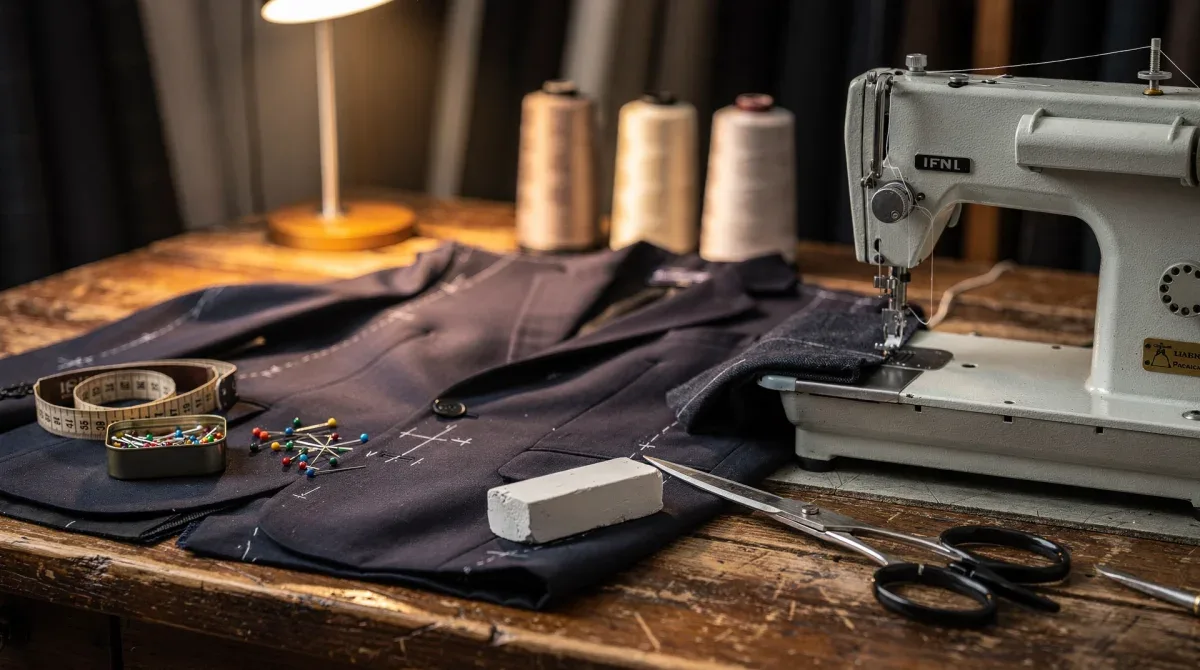
A blazer that is too long can make your legs look shorter and your torso look disproportionately long, creating a frumpy appearance. Conversely, a blazer that is too short can look like a shrunken jacket, failing to provide the sophisticated coverage expected from a blazer. Finding that sweet spot in length is crucial for a polished and bespoke aesthetic.
Impact on garment design and functionality
When shortening a blazer, tailors must also consider the garment's original design elements. For example, if a blazer has patch pockets, shortening it too much might make them look out of place. Similarly, the placement of the bottom button should still look natural and functional after the length adjustment. These considerations highlight the expertise required for this alteration, ensuring that the blazer not only fits better but also maintains its intended style and functionality.
This hack, when executed correctly, can dramatically improve the visual appeal of an off-the-rack blazer, making it appear as if it was custom-made to your exact specifications. It’s an alteration that redefines the blazer's relationship with your body, creating a more cohesive and stylish ensemble.
Adjusting the shoulder width: the cornerstone of fit
The shoulder fit is arguably the most critical aspect of a blazer's overall appearance and the most challenging to alter significantly. Professional tailors universally agree that if the shoulders don't fit, the blazer likely isn't worth buying, as major shoulder alterations are complex, costly, and can sometimes compromise the garment's structure. However, minor adjustments to shoulder width can still make a substantial difference, transforming a slightly off-kilter fit into one that looks custom-made.
The ideal shoulder fit means the blazer's shoulder pad ends precisely where your natural shoulder ends. There should be no overhang, which makes you look slumped, nor should it be too tight, causing fabric to bunch up or pull across your back. A perfect shoulder fit creates a clean, strong line, laying the foundation for the rest of the blazer to drape correctly.
Addressing minor shoulder discrepancies
While a full shoulder reconstruction is often impractical, a skilled tailor can sometimes make subtle adjustments to address minor shoulder width issues. This might involve slightly reducing the width if there's a small amount of overhang, or in rarer cases, adding a thin pad to fill out a slightly narrow shoulder. The goal is to achieve a smooth, unbroken line from the base of your neck to the top of your arm.
- Padding adjustments: Tailors can sometimes manipulate or replace shoulder pads to refine the shoulder line and achieve a better drape.
- Seam adjustments: In specific cases, very minor adjustments at the armhole seam can slightly alter the perceived width, though this is a delicate operation.
- Maintaining structure: Any shoulder alteration must preserve the blazer's internal structure to prevent it from collapsing or losing its shape.
A well-fitting shoulder ensures the blazer hangs correctly from your frame, preventing wrinkles and pulling in the chest and back. It also creates a more commanding and tailored silhouette, which is essential for that bespoke aesthetic. This hack, though limited in scope for off-the-rack items, is paramount for achieving a truly custom look.
The ripple effect of a perfect shoulder fit
When the shoulders of a blazer fit perfectly, it has a cascading effect on the entire garment. The sleeves will hang better, the chest will drape smoothly, and the overall silhouette will appear more streamlined. Conversely, ill-fitting shoulders can throw off every other aspect of the blazer's fit, making it look awkward and uncomfortable, no matter how well other areas are altered.
Therefore, when selecting an off-the-rack blazer, prioritizing the shoulder fit is paramount. Even if other areas require significant alterations, starting with a good shoulder foundation makes the tailor's job easier and the final result more successful. This hack underscores the importance of intelligent garment selection combined with expert tailoring to achieve an unparalleled level of style and sophistication.
Beyond the basics: advanced tailoring for a bespoke feel
While the core alterations – sleeves, side seams, length, and shoulders – form the backbone of transforming an off-the-rack blazer, professional tailors often employ more advanced techniques to truly elevate a garment to a bespoke feel. These subtle yet impactful adjustments go beyond basic fit modifications, delving into the nuances of drape, comfort, and personalized style. Such hacks are what truly differentiate a good alteration from an exceptional one.
These advanced techniques often involve a deeper understanding of garment construction and an eye for how fabric interacts with the wearer's body. They might address posture, specific body asymmetries, or simply enhance the aesthetic details that contribute to a custom-made appearance. Exploring these options with an experienced tailor can unlock an even higher level of sophistication for your blazer.
Adjusting the collar and lapels
A common issue with off-the-rack blazers is a collar that doesn't sit flush against the neck, often creating a gap at the back. This can be caused by differences in posture or shoulder slope. A skilled tailor can adjust the collar to lie perfectly flat, a small detail that significantly enhances the blazer's overall polish. Similarly, lapel adjustments, such as slightly changing their roll or how they lay against the chest, can be done to better suit your body and personal style, adding to the bespoke illusion.
These alterations are intricate and require a deep understanding of tailoring. They often involve deconstructing parts of the blazer and then carefully reassembling them to achieve the desired effect. The result is a blazer that feels and looks like it was designed with your specific posture and preferences in mind.
Refining the button stance and buttonholes
The placement of the blazer's buttons, known as the button stance, plays a crucial role in how the garment frames your torso. If the buttons are too high or too low, they can throw off your proportions. A tailor can sometimes move the main button slightly to create a more flattering V-shape when the blazer is fastened. Additionally, the quality of buttonholes can be improved or even replaced with hand-stitched ones, a hallmark of high-end bespoke tailoring. While a more involved process, these details contribute significantly to the perceived quality and custom feel of the blazer.
These refinements, though not always necessary for a basic good fit, are the touches that transform a merely well-fitting blazer into one that truly feels and looks bespoke. They are the details that professional tailors pay attention to, ensuring every aspect of the garment contributes to an impeccable presentation.
Selecting the right tailor: your partner in bespoke style
The success of any alteration hack hinges on the skill and expertise of your tailor. Finding the right tailor is not just about convenience; it's about entrusting your garments to a craftsman who understands the nuances of fit, fabric, and fashion. A professional tailor is not merely someone who can sew; they are an artist who can visualize the potential of an off-the-rack blazer and transform it into a piece that looks custom-made for you.
Your tailor becomes your partner in achieving that coveted bespoke look, offering advice, making precise measurements, and executing alterations with meticulous attention to detail. This relationship is crucial for maximizing the impact of the alteration hacks discussed, ensuring that every adjustment contributes to a perfectly fitting and stylish blazer.
Qualities of an exceptional tailor
When searching for a tailor, look for someone with a strong reputation, extensive experience, and a keen eye for detail. They should be able to communicate clearly about the alterations needed, explain the process, and provide an accurate estimate. A good tailor will also take the time to understand your personal style and preferences, ensuring the alterations align with your aesthetic goals.
- Experience and reputation: Look for tailors with years of experience and positive reviews from satisfied clients.
- Communication skills: A tailor who listens to your needs and explains the options clearly is invaluable.
- Attention to detail: Meticulousness in pinning, measuring, and stitching is a hallmark of a professional.
- Understanding of style: A great tailor doesn't just alter; they advise on how to enhance your garment's style.
Don't hesitate to ask questions, bring in examples of fits you admire, and even start with a less expensive garment to test their skills. Building a relationship with a trusted tailor is an investment that pays dividends in your wardrobe, ensuring that every blazer you own looks and feels like a bespoke masterpiece.
The consultation process: what to expect
During a consultation, the tailor should have you try on the blazer and will meticulously pin and mark the areas needing adjustment. They will observe your posture, how the fabric drapes, and ask about your comfort and preferences. This hands-on assessment is critical for identifying all necessary alterations, from the obvious sleeve length to the subtle side seam tapering. Be prepared to move around, sit, and even raise your arms to ensure the fit is comfortable and functional in various positions.
A thorough consultation is the foundation of a successful alteration. It ensures that both you and the tailor are on the same page regarding the desired outcome, leading to a blazer that not only fits perfectly but also aligns with your personal style and elevates your entire ensemble.
| Alteration Hack | Impact on Fit & Style |
|---|---|
| Sleeve Length & Width | Ensures proper shirt cuff exposure and a streamlined arm silhouette, adding sophistication. |
| Taking in Side Seams | Creates a defined waist and a flattering torso fit, transforming a boxy blazer. |
| Shortening Overall Length | Achieves perfect body proportions, making legs appear longer and torso balanced. |
| Adjusting Shoulder Width | Establishes a clean, strong shoulder line, foundational for the blazer's overall drape. |
Frequently asked questions about blazer alterations
What is the most important alteration for an off-the-rack blazer?▼The shoulder fit is arguably the most critical. If the shoulders don't fit well, significant alterations are often too complex and costly to be worthwhile. Prioritize a blazer with well-fitting shoulders, as other areas are generally easier to adjust.
Can all blazers be altered to look bespoke?▼While most blazers can be improved with alterations, the extent to which they can achieve a 'bespoke' look depends on the original garment's quality and initial fit. High-quality fabric and a decent starting fit provide the best foundation for transformative alterations.
How much do blazer alterations typically cost?▼Costs vary widely based on the complexity of the alteration, the tailor's experience, and geographic location. Simple adjustments like sleeve shortening might be $20-$40, while more extensive work like taking in side seams or shoulder adjustments can range from $50-$150 or more per alteration.
How do I find a good tailor for blazer alterations?▼Look for recommendations from friends or local fashion communities. Check online reviews and consider starting with a less expensive garment to test their skill. A good tailor should listen to your needs and clearly explain the alteration process and costs.
Is it worth altering an inexpensive off-the-rack blazer?▼Absolutely. Even an inexpensive blazer can look significantly more expensive and polished with proper alterations. The investment in tailoring often yields a much higher return in terms of appearance and confidence than buying a slightly better, but still ill-fitting, blazer.
Conclusion
Transforming an off-the-rack blazer into a piece that rivals bespoke tailoring is an art accessible to anyone willing to invest in a few key alterations. By understanding and applying the professional tailor's hacks for sleeve length and width, side seam adjustments, overall length, and the crucial shoulder fit, you can dramatically elevate your style. These modifications are not just about achieving a better fit; they are about creating a silhouette that enhances your natural form, exudes confidence, and communicates a sophisticated attention to detail. Partnering with a skilled tailor is the final, essential step in this journey, ensuring that your blazer not only fits impeccably but also truly reflects your unique style and presence. Embrace these tailoring secrets, and watch your everyday blazer become a sartorial masterpiece.