Denim Trends 2026: Raw Selvedge Replaces Stretch Blends
Advertisements
Raw selvedge denim is poised to replace stretch blends by a significant 35% on national runways by 2026, driven by a renewed appreciation for durability, authentic character, and sustainable production practices within the evolving fashion landscape.
The fashion world is in constant motion, and by 2026, a significant shift is underway: raw selvedge denim is projected to replace stretch blends by an impressive 35% on national runways. This isn't just a fleeting moment; it's a powerful resurgence of a classic, promising durability and authentic style. Let's explore the compelling reasons behind this denim revolution.
The resurgence of raw selvedge denim
The fashion industry is witnessing a significant pivot towards authenticity and longevity, and at the heart of this movement is the re-embracing of raw selvedge denim. This isn't merely a nostalgic trip; it's a conscious choice by designers and consumers alike who are seeking garments with character, resilience, and a story to tell. The inherent qualities of raw selvedge, from its unwashed state to its tightly woven construction, offer a distinct alternative to the prevalent stretch blends that have dominated the market for years.
This shift is particularly evident on national runways, where designers are showcasing collections that prioritize substance over fleeting trends. The structured silhouette and rich, deep indigo hues of raw selvedge provide a canvas for personal expression, allowing each pair of jeans to develop unique fades and creases over time. This evolution transforms a simple garment into a personalized artifact, a stark contrast to the often uniform appearance of stretch denim. The focus is now on investing in pieces that improve with age, reflecting a broader cultural move towards mindful consumption and away from fast fashion.
Understanding the selvedge difference
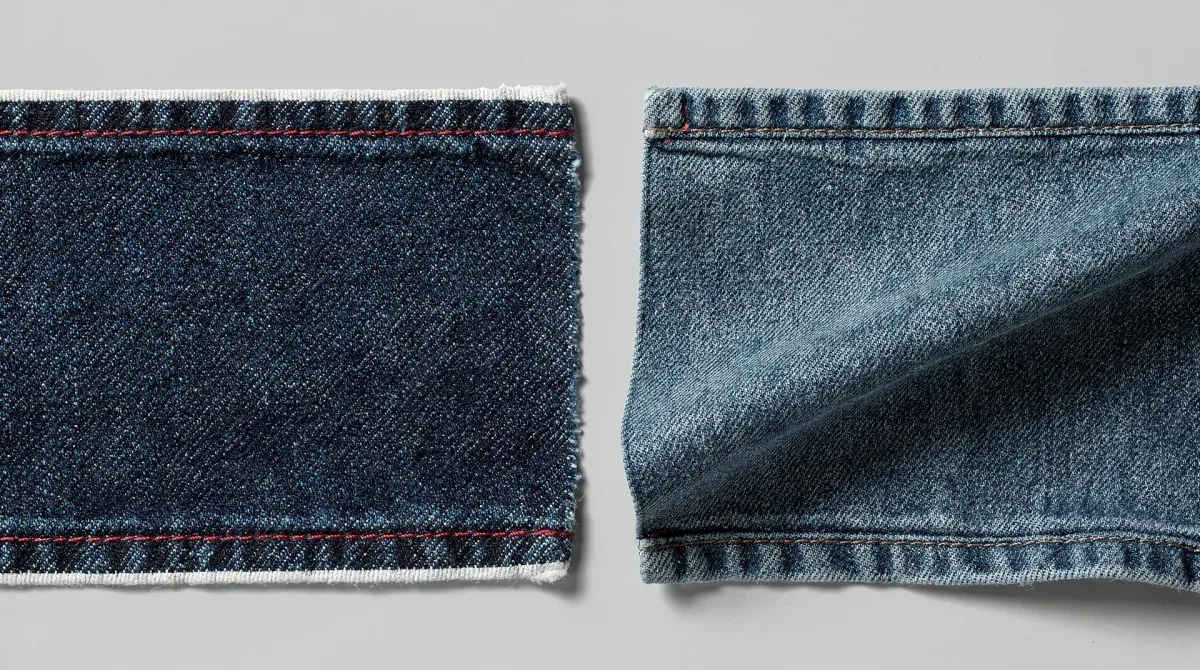
- Self-edge weaving: Selvedge denim is produced on traditional shuttle looms, which create a 'self-edge' or 'selvedge' finish on the fabric. This prevents fraying and ensures a cleaner, more durable edge, often identified by a colored thread.
- Unwashed and untreated: 'Raw' refers to denim that has not been washed, distressed, or treated after being dyed. This means the wearer is responsible for breaking in the denim, creating unique wear patterns.
- Superior durability: The tight weave and robust construction of selvedge denim contribute to its exceptional strength and longevity, making it a sustainable choice for those looking to reduce their environmental footprint.
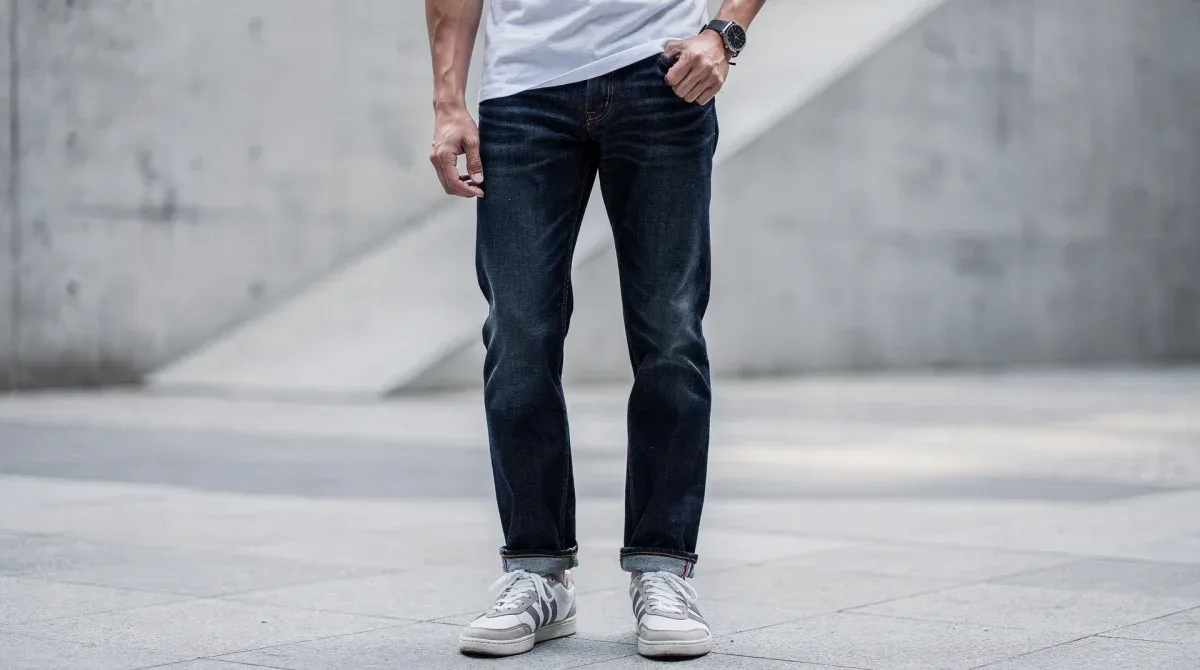
The appeal of raw selvedge also lies in its craftsmanship. The slower, more intricate weaving process on shuttle looms results in a denser, more substantial fabric. This attention to detail translates into a product that feels premium and stands the test of time, appealing to a consumer base that values quality and heritage. The unique 'red line' or other colored threads visible on the outseam when cuffed serve as a subtle badge of quality, signaling to connoisseurs that this is not just any denim, but a garment crafted with tradition and care. This commitment to quality resonates deeply with a market increasingly wary of disposable fashion.
In conclusion, the resurgence of raw selvedge denim is a multifaceted phenomenon driven by a desire for authenticity, durability, and a connection to craftsmanship. As consumers become more discerning and environmentally conscious, the appeal of a garment that ages gracefully and tells a personal story becomes undeniable. This trend on national runways for 2026 is a clear indicator that the future of denim is rooted in its rich past, favoring robust quality over transient comfort.
Why stretch blends are losing ground
For years, stretch denim reigned supreme, lauded for its comfort and flexibility. However, the tide is turning, and stretch blends are steadily losing their dominance in the denim market, particularly on high-fashion runways. This decline is not arbitrary; it's a reaction to several factors that highlight the limitations of stretch fabrics when compared to the enduring qualities of traditional denim.
One primary reason for this shift is the growing consumer awareness regarding material composition and sustainability. Stretch denim often incorporates synthetic fibers like elastane or spandex, which, while providing elasticity, also pose environmental concerns. These synthetic components can make denim harder to recycle and contribute to microplastic pollution when washed. As the fashion industry moves towards more eco-conscious practices, the demand for natural, biodegradable materials like 100% cotton raw selvedge naturally increases.
Durability and shape retention issues
- Fiber degradation: Over time, the elastic fibers in stretch denim can break down, leading to sagging, bagging, and a loss of the garment's original shape. This compromises the longevity and aesthetic appeal.
- Washing challenges: Repeated washing and drying can accelerate the degradation of stretch fibers, causing the denim to lose its elasticity and become misshapen, requiring more frequent replacement.
- Limited fading potential: The presence of synthetic fibers can hinder the natural fading process that is highly valued in traditional denim, resulting in a less authentic and less personalized wear pattern.

Beyond environmental concerns, there's a functional aspect to the decline of stretch blends. While initially comfortable, many consumers find that stretch denim doesn't age as gracefully as its rigid counterparts. The elastic fibers tend to lose their snap over time, leading to a baggy, shapeless look that detracts from the garment's original fit. This lack of lasting structure is a significant drawback for those investing in quality denim that they expect to wear for years.
Furthermore, the aesthetic limitations of stretch denim are becoming more apparent in high fashion. Designers often seek fabrics that offer a specific drape, structure, and depth of color. Stretch blends, with their inherent pliability, can sometimes lack the crispness and rich texture that designers desire for more sophisticated or architectural silhouettes. The uniform appearance of many stretch denims also fails to offer the unique, evolving character that is a hallmark of raw selvedge. This has led to a re-evaluation of what constitutes premium denim.
In summary, the reduced presence of stretch blends on national runways reflects a broader industry movement towards sustainable materials, enhanced durability, and authentic aesthetics. While comfort remains important, the long-term benefits and environmental considerations of traditional denim are increasingly outweighing the immediate flexibility offered by stretch fabrics. This represents a significant shift in consumer values and design priorities.
The appeal of authentic wear and natural fades
The allure of raw selvedge denim extends far beyond its robust construction; it lies deeply in its unique ability to tell a story through authentic wear and natural fades. Unlike pre-distressed or stretch denim, which offers an immediate, often artificial, worn-in look, raw selvedge provides a blank canvas that evolves with its wearer, creating a highly personalized garment.
This process of 'breaking in' raw denim is a ritual for many enthusiasts. Each crease, abrasion, and fade is a direct result of the wearer's movements, habits, and lifestyle. The areas of highest friction, such as the knees, thighs, and seat, develop lighter patches and distinct 'honeycombs' (behind the knees) and 'whiskers' (on the thighs). These unique patterns are impossible to replicate artificially and are highly coveted for their authenticity and individuality. This personal touch fosters a deeper connection between the wearer and their clothing.
The art of denim evolution
The transformation of raw denim is a gradual process that requires patience but rewards with unparalleled character. Initial stiffness gives way to a soft, custom fit, and the deep indigo dye slowly yields to lighter, more nuanced shades. This evolution is what makes raw selvedge a favorite among those who appreciate the journey of a garment as much as its final appearance. It's a testament to slow fashion, emphasizing longevity and personal expression over fleeting trends.
- Unique honeycombs: Creases that form behind the knees, developing distinct fade patterns based on how the wearer bends their legs.
- Personalized whiskers: Horizontal fade lines that appear across the lap and upper thighs, reflecting individual movement and sitting habits.
- Railroad tracks: Fading along the outseams, particularly visible on the selvedge edge, which gets its name from the appearance of old railroad tracks.
- Stacking: The natural folds that accumulate at the bottom of the leg opening above the shoe, creating unique vertical creases and fades.
The aesthetic appeal of these natural fades also contributes to the rising prominence of raw selvedge on runways. Designers are increasingly drawn to the rich texture and evolving character that raw denim offers, utilizing it to create garments that possess both structure and a sense of lived-in history. This allows for a more sophisticated and layered approach to denim design, moving beyond the uniform look often associated with pre-washed or stretch varieties. The deeper indigo of raw denim also provides a versatility that complements a wider range of styles, from casual to more elevated ensembles.
In conclusion, the authentic wear and natural fades of raw selvedge denim are powerful drivers of its resurgence. This fabric offers a unique opportunity for personal expression and a connection to the craftsmanship of traditional denim. As consumers and designers alike seek garments with character and longevity, the evolving beauty of raw selvedge stands out as a superior choice, solidifying its place as a key trend for 2026 and beyond.
Sustainability and ethical production in denim
The fashion industry is under increasing scrutiny for its environmental impact, and denim production is no exception. This heightened awareness is a significant factor in the shift towards raw selvedge denim, which often aligns more closely with sustainable and ethical production practices compared to its stretch counterparts. Consumers are no longer just looking at aesthetics; they are demanding transparency and responsibility from brands.
Raw selvedge denim, being unwashed and minimally processed, typically requires fewer resources in its initial production phase. The absence of extensive washing, distressing, and chemical treatments significantly reduces water consumption, energy use, and the discharge of harmful dyes and chemicals into the environment. This 'less is more' approach resonates deeply with environmentally conscious consumers who are actively seeking ways to reduce their ecological footprint through their purchasing choices.
Reducing environmental impact
- Lower water usage: Traditional raw denim production avoids the extensive washing cycles that are standard for pre-distressed jeans, saving vast amounts of water.
- Fewer chemicals: The omission of chemical treatments for distressing, softening, and fading means less chemical runoff and a safer production environment.
- Durability and longevity: Investing in durable raw selvedge denim reduces the need for frequent replacements, thereby lowering overall consumption and waste.
Furthermore, the emphasis on durability inherent in raw selvedge denim contributes to a more sustainable consumption model. When a garment is designed to last for years, even decades, it directly combats the fast fashion cycle of constant consumption and disposal. This extended lifespan reduces textile waste in landfills and encourages a more thoughtful approach to clothing ownership. Consumers are increasingly willing to pay a premium for items that offer longevity and timeless style, viewing them as investments rather than disposable commodities.
Ethical considerations also play a role. Many raw selvedge brands prioritize transparent supply chains, ensuring fair labor practices and safe working conditions for their employees. This commitment to ethical production, from the cotton fields to the weaving mills, builds trust with consumers who are keen to support brands that align with their values. The narrative of craftsmanship and heritage often associated with selvedge denim also ties into a more human-centric approach to manufacturing, contrasting sharply with mass-produced alternatives.
In essence, the move towards raw selvedge denim is not just a style choice; it's a statement about responsible consumption and ethical manufacturing. As the fashion industry continues to evolve, the demand for products that are both stylish and sustainable will only grow. Raw selvedge, with its inherent qualities of durability, minimal processing, and often ethical sourcing, is perfectly positioned to meet this demand, solidifying its place as a leading trend for 2026 and beyond.
Investment pieces: quality over quantity
The shift in denim trends towards raw selvedge reflects a broader consumer movement: a preference for quality over quantity. In an era of increasing environmental consciousness and a desire for personal expression, consumers are gravitating towards garments that offer longevity, superior craftsmanship, and a unique story. Raw selvedge denim, with its robust construction and potential for personalized wear, perfectly encapsulates this 'investment piece' philosophy.
Purchasing a pair of raw selvedge jeans is often viewed as a long-term commitment. Unlike fast fashion items that are designed to be worn for a season and then discarded, raw denim is meant to be broken in, worn, and cherished over many years. This approach not only reduces waste but also allows the wearer to develop a deep connection with their clothing, as each pair becomes a unique reflection of their life and experiences. The initial higher price point of raw selvedge is justified by its extended lifespan and the unparalleled character it develops.
The long-term value of raw denim
Investing in raw selvedge denim means investing in a garment that will not only last but will also improve with age. The stiffness and deep indigo of a new pair gradually transform into a soft, custom-fitted item with distinctive fades. This evolution is a core part of its value proposition, offering a dynamic aesthetic that mass-produced, pre-distressed denim simply cannot replicate.
- Extended lifespan: Raw selvedge denim is known for its exceptional durability, often lasting for many years, even decades, with proper care.
- Unique personalization: Each pair develops fades and wear patterns unique to the wearer, creating a truly one-of-a-kind garment.
- Timeless style: The classic aesthetic of raw selvedge transcends fleeting trends, making it a versatile and enduring addition to any wardrobe.
- Reduced environmental impact: Buying fewer, higher-quality items reduces overall consumption and textile waste, aligning with sustainable practices.
The appeal of investment pieces also extends to the craftsmanship involved. Raw selvedge denim is often produced by smaller, dedicated mills using traditional weaving techniques, which results in a superior fabric. This attention to detail, from the selection of premium cotton to the precise weaving process, contributes to the garment's overall quality and durability. Consumers are increasingly appreciative of this artisanal approach, valuing the skill and heritage behind their clothing.
Furthermore, the versatility of raw selvedge denim makes it a smart investment. Its deep indigo hue and structured silhouette allow it to be dressed up or down, seamlessly integrating into various styles and occasions. This adaptability ensures that the garment remains a staple in a wardrobe, further enhancing its long-term value. The ability to pair it with everything from casual t-shirts to more formal blazers highlights its timeless appeal and functional utility.
In conclusion, the trend towards raw selvedge denim as an investment piece signifies a broader shift in consumer values. Prioritizing quality, longevity, and ethical production, buyers are opting for garments that offer enduring style and a personal connection. This commitment to 'buy better, wear longer' is a powerful force shaping denim trends for 2026, marking a return to appreciation for true craftsmanship.
The influence of heritage and craftsmanship
The fashion industry, particularly in denim, is experiencing a profound reconnection with its roots, placing a renewed emphasis on heritage and craftsmanship. This intrinsic value is a cornerstone of the raw selvedge denim movement, distinguishing it sharply from the mass-produced, often disposable nature of stretch blends. The story behind raw selvedge is one of tradition, skill, and an unwavering commitment to quality that resonates deeply with discerning consumers.
Selvedge denim gets its name from the 'self-edge' created during its production on old-school shuttle looms. These looms, slower and less efficient than modern projectile looms, produce a tightly woven fabric with a clean, finished edge that prevents fraying. This meticulous process, requiring skilled operators and precise calibration, harks back to the origins of denim manufacturing. The visible selvedge ID, often a colored thread, serves as a hallmark of this traditional craftsmanship, a subtle nod to its heritage.
The tradition of shuttle looms
Shuttle looms are central to the heritage of raw selvedge denim. Their unique weaving action creates a denser, more irregular fabric texture that contributes to the denim's distinct character and superior hand feel. This traditional method, though slower, produces a quality of denim that modern machines struggle to replicate, reinforcing the idea of craftsmanship.
- Historical significance: Shuttle looms were the standard for denim production for over a century, imbuing selvedge denim with a rich history.
- Unique texture: The irregular tension of shuttle looms creates a slubby, textured fabric that adds depth and character to the denim.
- Durability: The tight weave produced by these looms results in an exceptionally strong and resilient fabric, designed to withstand rigorous wear.
- Limited production: The slower speed of shuttle looms means selvedge denim is produced in smaller batches, contributing to its exclusivity and perceived value.
The concept of craftsmanship extends beyond the weaving process to the entire garment construction. Many raw selvedge jeans are made with attention to detail that mirrors traditional tailoring, featuring chain-stitched hems, reinforced pockets, and high-quality hardware. This dedication to superior construction ensures that the jeans are not only aesthetically pleasing but also incredibly durable, capable of enduring years of wear and countless washes.
This celebration of heritage and craftsmanship also appeals to a desire for authenticity. In a world saturated with synthetic materials and disposable goods, raw selvedge denim offers a tangible connection to a past where clothing was made to last and was valued for its quality. It’s a rebellion against the fleeting nature of fast fashion, advocating for a return to timeless style and enduring materials. This cultural resonance is a powerful driver behind its resurgence on national runways, influencing designers to create collections that tell a story of tradition and artistry.
In conclusion, the profound influence of heritage and craftsmanship is undeniably propelling raw selvedge denim to the forefront of fashion trends for 2026. This appreciation for traditional production methods, superior quality, and the story embedded within each garment positions raw selvedge as more than just a fabric; it's a testament to enduring values in an ever-changing industry. This focus on authentic, well-made goods represents a significant and welcome shift.
Future outlook: raw selvedge dominance in 2026
Looking ahead to 2026, the trajectory for raw selvedge denim points towards a period of significant dominance within the fashion landscape. The current trends observed on national runways are not isolated incidents but rather indicators of a sustained shift in consumer preferences and industry priorities. This widespread adoption is underpinned by a confluence of factors, including a heightened focus on sustainability, a desire for authentic aesthetics, and a growing appreciation for lasting quality.
The projected 35% replacement of stretch blends by raw selvedge denim on national runways signifies a pivotal moment. This isn't just about a change in fabric; it's about a redefinition of what premium denim means. Brands are increasingly recognizing that consumers are willing to invest in garments that offer a deeper narrative—one of artisanal production, environmental responsibility, and personal evolution. This consumer demand will continue to drive innovation within the raw selvedge segment, leading to new finishes, weaves, and sustainable sourcing practices.
Innovations and adaptations in raw selvedge
While rooted in tradition, raw selvedge denim is not static. Designers and manufacturers are exploring new ways to enhance its appeal and functionality, ensuring its relevance in a dynamic market. This includes experimenting with different cotton blends, eco-friendly dyes, and even slight modifications to the weaving process to introduce subtle variations in texture and drape, all while maintaining the core integrity of selvedge.
- Eco-friendly dyes: Development of natural and low-impact dyes to further reduce the environmental footprint of denim production.
- Innovative blends: Experimentation with organic cotton, hemp, or recycled fibers to create more sustainable and unique raw selvedge options.
- Advanced weaving techniques: Minor adjustments to loom settings to produce subtle differences in fabric weight, texture, and hand feel without compromising selvedge integrity.
- Tailoring and fit evolution: Continued refinement of cuts and fits to cater to diverse body types and style preferences, ensuring raw selvedge remains accessible and fashionable.
The long-term impact of this trend extends beyond the runways. As raw selvedge gains more mainstream acceptance, it will likely influence broader fashion consumption patterns. We can anticipate a greater emphasis on repair, customization, and second-hand markets for denim, fostering a more circular economy. The concept of 'denim libraries' or repair services, where consumers can bring their beloved raw selvedge jeans for expert care, may become more prevalent, further solidifying the garment's status as a cherished possession.
Moreover, educational initiatives around the care and breaking-in process of raw selvedge denim will become increasingly important. Brands and retailers will play a crucial role in guiding consumers on how to maximize the lifespan and aesthetic evolution of their jeans, empowering them to fully embrace the raw denim experience. This knowledge transfer will demystify the process and make raw selvedge more approachable for newcomers.
In conclusion, the future outlook for raw selvedge denim in 2026 is exceptionally bright. Its ascendance on national runways is a clear signal of a paradigm shift towards enduring quality, authentic style, and responsible consumption. As the fashion industry continues to evolve, raw selvedge is poised not just to dominate but to redefine the very essence of denim, proving that true style is built on substance and longevity.
| Key Trend | Brief Description |
|---|---|
| Raw Selvedge Resurgence | Projected to replace stretch blends by 35% on national runways by 2026, driven by authenticity and durability. |
| Decline of Stretch Blends | Losing ground due to environmental concerns, durability issues, and limited aesthetic aging. |
| Authentic Wear & Fades | Raw selvedge develops unique, personalized fade patterns (honeycombs, whiskers) over time, telling a story. |
| Sustainability & Ethics | Lower water/chemical use, longer lifespan, and ethical production align with growing consumer demand. |
Frequently asked questions about denim trends
What is raw selvedge denim?▼Raw selvedge denim is unwashed, untreated denim woven on traditional shuttle looms. It features a clean, finished edge (the 'selvedge') that prevents fraying. Its raw state allows the denim to develop unique fades and wear patterns over time, personalizing the garment to the wearer's movements and lifestyle.
Why is raw selvedge replacing stretch blends?▼Raw selvedge is replacing stretch blends due to its superior durability, authentic aesthetic, and alignment with sustainable fashion practices. Consumers and designers are increasingly prioritizing longevity, unique character development, and reduced environmental impact over the immediate comfort of stretch fabrics, which often contain synthetic fibers.
What are the benefits of wearing raw selvedge denim?▼Benefits include exceptional durability, the development of unique and personalized fade patterns, and a timeless aesthetic. It's also a more sustainable choice due to minimal processing and a longer lifespan, reducing the need for frequent replacement and supporting ethical production methods.
How do you care for raw selvedge denim?▼To maximize unique fades, many enthusiasts recommend wearing raw selvedge for at least six months before the first wash. When washing, turn them inside out, use cold water and a gentle cycle with mild detergent, then hang dry. This preserves the indigo and prevents excessive shrinkage or damage.
Will stretch denim disappear completely by 2026?▼While raw selvedge is gaining significant ground, stretch denim is unlikely to disappear entirely. Its comfort and flexibility will still appeal to a segment of the market. However, its dominance on national runways and in high fashion is projected to diminish significantly, shifting its role in the overall denim landscape.
Conclusion
The denim landscape is undergoing a profound transformation, with raw selvedge denim poised to redefine industry standards by 2026. The projected 35% replacement of stretch blends on national runways is not merely a passing trend but a powerful testament to a collective shift towards authenticity, durability, and sustainable practices. As consumers and designers increasingly prioritize quality over quantity, the unique character, longevity, and ethical appeal of raw selvedge are proving irresistible. This resurgence signifies a return to the roots of denim craftsmanship, promising a future where fashion is both stylish and responsible, fostering a deeper connection between garment and wearer. The era of raw selvedge dominance is here, marking a significant evolution in how we perceive and wear denim.