Raw Japanese Denim Care: The 6-Month First-Wash Rule
Advertisements
Achieving unique fades and maximizing the lifespan of raw Japanese denim hinges on understanding specific care techniques, most notably adhering to the expert-recommended 6-month first-wash rule for optimal wear patterns.
Embarking on the journey of owning raw Japanese denim is an investment in both style and personal expression. The distinct character your jeans develop over time is a direct result of how you wear and care for them. Understanding raw Japanese denim care, especially the often-debated 6-month first-wash rule, is crucial for cultivating those coveted, personalized fades that tell your unique story.
The allure of raw Japanese denim: more than just fabric
Raw Japanese denim stands apart in the world of textiles, celebrated for its unparalleled quality, rich indigo dyes, and the unique fading potential it offers. Unlike pre-distressed or washed denim, raw denim is untouched, retaining its original stiffness and deep color. This means every crease, every abrasion, and every subtle shift in color is a direct reflection of your lifestyle and movements.
The journey with raw denim is highly personal, a wearable canvas that evolves with you. The initial stiffness gives way to a softer, more conforming fabric, molding to your body over time. This process, known as 'breaking in,' is where the magic truly happens, creating fades that are distinctly yours. The quality of Japanese denim, often woven on traditional shuttle looms, contributes to its durability and unique texture, making the care process even more significant.
Understanding selvedge and its significance
- Selvedge edge: This refers to the self-finished edges of the denim fabric, which prevent unraveling. It's a hallmark of quality, often visible as a colored thread (typically red) along the outseam when cuffed.
- Shuttle loom weaving: Traditional shuttle looms produce a tighter, denser weave with unique irregularities and slub, giving the denim its characteristic texture and strength.
- Indigo dyeing: Japanese denim often uses rope dyeing, where cotton yarns are repeatedly dipped into indigo dye, allowing the core to remain undyed. This ensures high-contrast fading over time.
The commitment to raw Japanese denim is a commitment to a slow fashion philosophy, appreciating the craftsmanship and the story woven into every thread. Proper care ensures these stories unfold beautifully, preserving the integrity of the fabric while enhancing its aesthetic appeal. This deep connection to the garment is what makes the care process, particularly the first wash, such a crucial topic among denim enthusiasts.

The sacred 6-month first-wash rule: why it matters
The 6-month first-wash rule is a cornerstone of raw denim care, a guideline championed by experts and seasoned enthusiasts alike. This period of dedicated wear before the initial wash is not merely a tradition; it's a strategic approach to achieving the most authentic and high-contrast fades possible. During these six months, the denim molds to your body, capturing every movement and creating unique stress points.
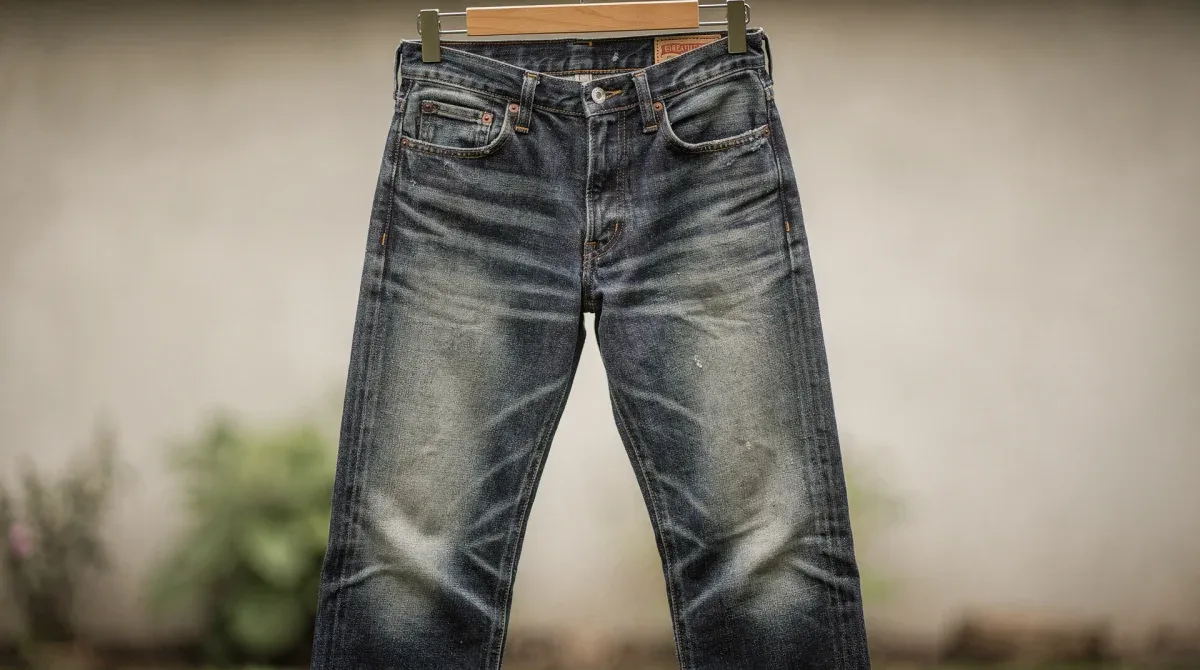
The indigo dye, still abundant in the fabric, slowly abrades in areas of high friction, such as the thighs, knees, and seat. This localized fading creates distinct patterns like whiskers (horizontal lines on the lap), honeycombs (creases behind the knees), and stacks (folds at the ankles). Washing too early can disrupt this natural fading process, leading to a more uniform, lower-contrast fade. The goal is to allow the denim to 'set' its wear patterns before water and detergent intervene.
The science behind the fade
- Dye migration: Over time, indigo dye particles migrate and shift within the fabric, contributing to the development of fades.
- Fiber memory: The cotton fibers develop a 'memory' of your movements, reinforcing the creases that will eventually become prominent fades.
- Contrast development: Delaying the wash allows for significant contrast to build between worn and unworn areas, leading to more dramatic and personalized results.
Adhering to this rule requires patience and a bit of discipline, but the reward is a pair of jeans that truly tells your story. It’s about letting the denim become a second skin, reflecting your unique journey before introducing any external factors that might alter its natural evolution. This initial period is when the foundation for truly exceptional fades is laid, making the first wash a pivotal moment in your raw denim's life cycle.
Preparing for the first wash: essential steps
After six months of dedicated wear, the moment for the first wash finally arrives. This isn't just another laundry day; it's a critical step that requires careful preparation to preserve the unique fades you've worked so hard to achieve. Proper preparation ensures the indigo dye sets correctly and the denim maintains its shape and character.
Before introducing your jeans to water, it's vital to turn them inside out. This simple step helps protect the outer surface of the denim, minimizing dye loss from areas you want to retain their deep indigo color. It also helps to prevent harsh crease lines that can sometimes occur during the washing process if the jeans are washed right side out. Fastening all buttons and zippers is equally important to prevent snagging or damage to the hardware or the fabric itself.
Choosing your washing method
- Hand wash (recommended): This method offers the most control, allowing for gentle agitation and thorough rinsing. Fill a tub with lukewarm water and a small amount of mild detergent.
- Machine wash (gentle cycle): If using a machine, select a delicate or hand-wash cycle with cold water. Avoid harsh detergents and high spin speeds, which can be too aggressive for raw denim.
- Soaking only: Some enthusiasts opt for a simple soak without agitation, especially for the very first wash, to minimize dye loss and shrinkage while still cleaning the fabric.
Regardless of the method chosen, consistency and gentleness are key. The goal is to clean the denim without stripping away too much of the hard-earned dye or distorting the unique wear patterns. Taking these preparatory steps ensures that your raw Japanese denim transitions smoothly from its initial breaking-in period to a clean, well-preserved state, ready for many more months of wear.
The first wash ritual: technique and considerations
The actual first wash of your raw Japanese denim is a ritual that demands attention to detail. This process, when executed correctly, will lock in your fades and refresh your denim, preparing it for its next chapter. The technique you employ will significantly influence the final outcome, so understanding the nuances is paramount.
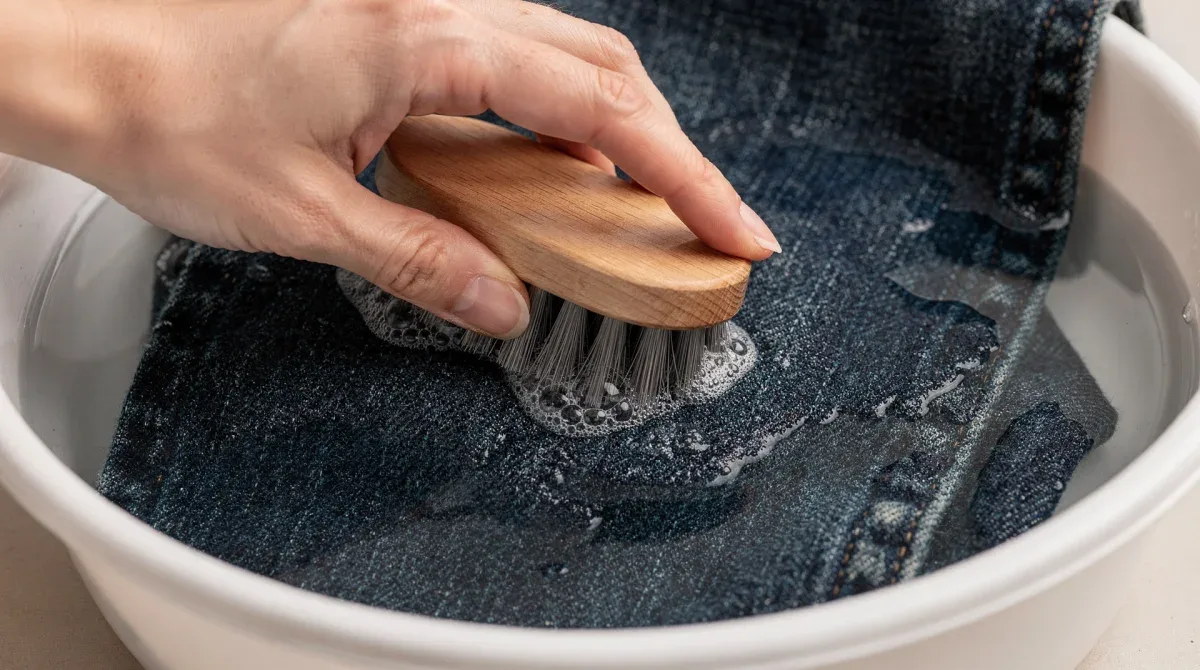
If opting for a hand wash, submerge your inside-out jeans in a tub of lukewarm water with a small amount of mild, pH-neutral detergent specifically designed for denim or delicate fabrics. Gently agitate the water and the jeans, focusing on areas that might need extra cleaning without scrubbing aggressively. Allow them to soak for about 30-45 minutes. The water will likely turn blue, which is normal and indicates excess indigo dye being released. After the soak, drain the dirty water and refill the tub with clean, cool water, rinsing thoroughly until the water runs clear. This ensures all detergent residue is removed, preventing potential skin irritation or damage to the fabric.
Drying your raw denim
- Air dry only: Never put raw denim in a dryer. The high heat can cause excessive shrinkage, damage the fibers, and diminish the contrast of your fades.
- Hang dry: Hang your jeans upside down from the waist, or lay them flat on a clean surface. Ensure even airflow to prevent mildew and promote consistent drying.
- Avoid direct sunlight: While air drying, keep your jeans out of direct sunlight to prevent uneven fading or potential color distortion.
The drying process is as important as the wash itself. Patience is vital here, as raw denim can take a full day or more to dry completely. Once dry, your jeans will likely feel stiff again, but they will quickly soften with wear. This first wash, executed with care and precision, solidifies the unique character of your raw Japanese denim, making it a truly personalized garment that reflects your journey.
Post-wash care: maintaining fades and longevity
After the initial wash, the journey with your raw Japanese denim continues with ongoing care that focuses on maintaining those hard-earned fades and ensuring the longevity of your garment. Regular, thoughtful maintenance will keep your denim looking its best and continue to develop its unique character over years of wear.
Between washes, which should ideally be spaced out as much as possible, focus on spot cleaning any spills or minor dirt. A damp cloth with a tiny bit of mild soap can work wonders on isolated stains. For odors, airing your jeans out in fresh air or even placing them in a freezer overnight can help neutralize smells without a full wash. The less frequently you wash, the more pronounced and unique your fades will become, as each wash will inevitably remove some indigo dye.
Repair and reinforcement
- Darning: For small holes or thinning areas, darning (a sewing technique to repair fabric) can reinforce the denim and prevent further damage.
- Patching: For larger tears, a patch, ideally made from similar denim, can be sewn on from the inside or outside for both repair and aesthetic appeal.
- Professional repair: Many denim specialists offer repair services that can expertly restore your jeans, often using techniques that blend seamlessly with the original fabric.
Investing in timely repairs is crucial for extending the life of your raw denim. Small issues, if ignored, can quickly escalate into larger, more difficult-to-fix problems. By taking a proactive approach to maintenance and repair, you not only preserve your investment but also honor the craftsmanship of your raw Japanese denim, allowing it to age gracefully and continue telling its evolving story.
Common mistakes to avoid in raw denim care
While the allure of raw Japanese denim lies in its unique aging process, certain missteps can hinder its development or even damage the fabric. Being aware of these common mistakes can save you from disappointment and ensure your denim reaches its full fading potential. Avoiding these pitfalls is as important as following the recommended care practices.
One of the most frequent errors is washing too frequently or too early. As discussed, the 6-month rule is critical for establishing high-contrast fades. Premature washing leads to a more uniform, less interesting fade pattern. Another mistake is using harsh detergents or hot water. Strong chemicals and high temperatures can strip away excessive indigo, weaken fibers, and cause unwanted shrinkage, especially in non-sanforized denim. Always opt for cold or lukewarm water and a gentle, pH-neutral soap.
Mistakes in drying and storage
- Machine drying: This is a cardinal sin in raw denim care. The intense heat will cause significant shrinkage and can damage the unique texture of the denim. Always air dry.
- Folding wet denim: Folding wet or damp denim can lead to mildew and unpleasant odors. Ensure your jeans are completely dry before storing them.
- Improper storage: Storing denim in cramped, humid spaces can encourage mildew growth. Hang them in a well-ventilated closet to maintain freshness.
Ignoring small tears or frayed areas is another common oversight. What starts as a minor issue can quickly unravel into a significant problem, compromising the integrity of the denim. Addressing these promptly through darning or patching will significantly extend the life of your jeans. By being mindful of these common mistakes, you can ensure your raw Japanese denim develops into a truly exceptional and long-lasting garment.
The evolution of your denim: celebrating its unique journey
The true beauty of raw Japanese denim lies in its journey of transformation, a process that reflects your personal history and style. Each fade, each crease, and each repair tells a story, making your jeans more than just clothing – they become a wearable memoir. Celebrating this evolution is a core aspect of raw denim culture, appreciating the unique character that develops over time.
From the initial stiffness to the eventual softness, from the deep, uniform indigo to the high-contrast fades, your denim undergoes a remarkable change. The 'honeycombs' behind your knees, the 'whiskers' on your lap, and the 'stacks' at your ankles are all unique signatures of your movements and habits. This personalized aging process is what makes raw denim so captivating and why enthusiasts dedicate themselves to its careful cultivation.
Documenting the progress
- Before and after photos: Taking pictures at different stages of wear and after the first wash helps visualize the transformation.
- Wear logs: Some enthusiasts keep a log of wear days and washes to track the denim's journey.
- Community sharing: Sharing your fading progress with other denim enthusiasts online or in person is a great way to celebrate and learn.
Embracing the imperfections, the repairs, and the natural wear and tear is part of the charm. These elements add depth and character, turning a simple garment into a cherished possession. The commitment to raw Japanese denim care, especially understanding and applying the 6-month first-wash rule, is an act of dedication to this unique journey, ensuring that your denim ages beautifully and stands as a testament to your personal style and enduring connection to quality craftsmanship.
| Key Aspect | Brief Description |
|---|---|
| 6-Month Rule | Wear raw denim for six months before the first wash to achieve high-contrast, personalized fades. |
| First Wash Prep | Turn jeans inside out, fasten all closures, and use mild detergent in cold/lukewarm water. |
| Drying Method | Always air dry; never use a machine dryer to prevent shrinkage and preserve fades. |
| Longevity Tips | Spot clean, air out for odors, and repair small damages promptly to extend lifespan. |
Frequently asked questions about raw Japanese denim care
Why is the 6-month first-wash rule so important for raw denim?▼The 6-month rule allows the denim to naturally mold to your body and develop high-contrast fades, such as whiskers and honeycombs, before water and detergent set the dye. Washing too early can result in a more uniform, less personalized fade pattern, diminishing the unique character of raw denim.
Can I machine wash raw Japanese denim?▼Yes, but with caution. If machine washing, turn jeans inside out, use a delicate or hand-wash cycle with cold water, and a mild, pH-neutral detergent. Avoid high spin speeds. Hand washing or soaking is generally preferred for greater control and to minimize dye loss and potential damage.
What should I do if my raw denim smells before the first wash?▼To combat odors without washing, try airing your jeans out in fresh air for several hours or even overnight. Another common trick is to place them in a sealed bag in the freezer for a day or two. This can help kill odor-causing bacteria without affecting the denim's fading process.
How do I prevent excessive shrinkage when washing raw denim?▼To prevent excessive shrinkage, especially with non-sanforized denim, always use cold water for washing. Avoid hot water at all costs. Additionally, never put raw denim in a machine dryer; always air dry your jeans by hanging them or laying them flat to prevent heat-induced shrinkage and fiber damage.
How often should I wash my raw Japanese denim after the first wash?▼After the initial wash, the frequency of subsequent washes is largely a matter of personal preference and how dirty your jeans get. Many enthusiasts aim for washes every 3-6 months, or even longer, to continue developing high-contrast fades. Spot cleaning and airing out can help extend the time between full washes.
Conclusion
Mastering the art of raw Japanese denim care, particularly understanding the significance of the 6-month first-wash rule, is a rewarding endeavor for any denim enthusiast. This dedicated approach not only preserves the exceptional quality of the fabric but also allows for the development of truly unique, personalized fades that tell your story. By adhering to expert advice, from initial wear to meticulous washing and post-wash maintenance, you ensure your raw denim evolves into a cherished, long-lasting garment that reflects your personal style and enduring connection to quality craftsmanship.