2026 US Microplastic Regulations: Synthetic Knits & Sustainable Fashion
Advertisements
The 2026 US microplastic regulations on synthetic knits represent a pivotal moment for the fashion industry, compelling manufacturers to innovate sustainable practices and significantly reduce environmental pollution from textile shedding.
The fashion industry stands at a critical juncture, facing increasing pressure to address its environmental footprint. A significant driver of this change is the impending 2026 US microplastic regulations on synthetic knits, poised to reshape how garments are designed, produced, and consumed. This regulatory shift signals a profound commitment to mitigating microplastic pollution, a pervasive issue with far-reaching ecological consequences.
Understanding the Microplastic Challenge in Fashion
Microplastics, tiny plastic particles less than 5 millimeters in length, are a growing environmental concern. A substantial portion of these insidious pollutants originates from textiles, particularly synthetic fibers like polyester, nylon, and acrylic, commonly used in knitwear. Each wash cycle can release thousands of microfibers into our waterways, eventually making their way into oceans and food chains.
The sheer volume of synthetic garments produced globally exacerbates this problem. Fast fashion trends encourage rapid consumption and disposal, further intensifying the release of microplastics. Recognizing the urgency, policymakers in the United States have initiated legislative action to curb this pollution at its source, targeting the textile manufacturing process itself.
The Environmental Toll of Textile Microplastics
- Oceanic Contamination: Microplastics accumulate in marine environments, ingested by aquatic life, leading to physical harm and chemical exposure.
- Food Chain Impact: As microplastics move up the food chain, they can transfer harmful chemicals to humans who consume seafood.
- Ecosystem Disruption: The pervasive nature of microplastics alters habitats and affects the overall health of ecosystems.
- Airborne Particles: Microplastics also become airborne, contributing to air pollution and potential respiratory health issues.
The introduction of stringent regulations is a direct response to these escalating environmental threats. It pushes the industry beyond voluntary guidelines, mandating a systemic change in how synthetic textiles are managed. This shift is not merely about compliance; it is about fostering a sustainable future for fashion.
The environmental toll of textile microplastics is undeniable, demanding immediate and comprehensive solutions. These particles, often invisible to the naked eye, pose a silent but significant threat to global ecosystems. Addressing this challenge requires a multi-faceted approach, with regulatory frameworks playing a crucial role in driving industry-wide change.
Key Provisions of the 2026 US Microplastic Regulations
The forthcoming 2026 US microplastic regulations are set to introduce a series of comprehensive measures aimed at significantly reducing microplastic shedding from synthetic knits. While the final details are still being refined, initial proposals indicate a focus on manufacturing processes, material composition, and product lifecycle considerations. These regulations are anticipated to establish measurable benchmarks for microfiber release, compelling manufacturers to adopt innovative solutions.

One of the primary provisions is expected to involve mandatory testing protocols for synthetic knit fabrics to quantify their microplastic shedding rates. This will provide a standardized method for assessing compliance and identifying materials that pose a higher environmental risk. Furthermore, the regulations may include labeling requirements, informing consumers about the microplastic shedding potential of garments.
Compliance Standards and Enforcement
- Testing Standards: New standardized methods for measuring microplastic shedding from textiles will be implemented.
- Reporting Requirements: Manufacturers will likely be required to report on their testing results and demonstrate compliance.
- Penalties for Non-Compliance: Non-adherence to the regulations could result in fines or market restrictions.
- Phased Implementation: The regulations are expected to be introduced with a phased approach to allow industry adaptation.
These provisions signal a departure from the current voluntary initiatives, creating a legally binding framework that demands accountability. The enforcement mechanisms will be crucial in ensuring widespread adoption and preventing circumvention. The goal is to create a level playing field where all manufacturers are held to the same high environmental standards.
The regulations are not merely punitive; they are designed to stimulate innovation within the textile industry. By setting clear expectations, the government aims to encourage research and development into alternative materials and manufacturing techniques that minimize microplastic release. This proactive approach seeks to transform the fashion supply chain from a source of pollution into a driver of sustainable change.
Impact on Synthetic Knit Manufacturers and Supply Chains
The 2026 US microplastic regulations will undoubtedly present significant challenges and opportunities for manufacturers of synthetic knits. Companies will need to re-evaluate their entire supply chain, from raw material sourcing to production processes and end-of-life considerations. This will necessitate substantial investments in research, development, and new infrastructure.
Manufacturers will face pressure to innovate in material science, exploring new fiber blends, fabric constructions, and finishing treatments that reduce shedding. This could lead to a surge in demand for more sustainable synthetic alternatives or a shift towards natural fibers. The ripple effect will extend to yarn suppliers, textile mills, and garment assemblers, all of whom must adapt to the new regulatory landscape.
Navigating Supply Chain Adjustments
- Material Innovation: Focus on developing low-shedding synthetic fibers and blends.
- Process Optimization: Implementing manufacturing techniques that reduce fiber breakage during production.
- Supplier Collaboration: Working closely with raw material suppliers to ensure compliance from the outset.
- Traceability and Transparency: Enhancing supply chain visibility to track material origins and processing.
Beyond material and process changes, the regulations will also impact logistics and inventory management. Companies may need to adjust their sourcing strategies, prioritize suppliers who can demonstrate compliance, and potentially diversify their material portfolios. The increased scrutiny on product lifecycles could also accelerate the adoption of circular economy principles within the industry.
Ultimately, the regulations will force a strategic re-evaluation of business models. Manufacturers who proactively embrace these changes and invest in sustainable practices will likely gain a competitive advantage, positioning themselves as leaders in the evolving sustainable fashion market. Those who fail to adapt risk market exclusion and reputational damage.
Innovations in Low-Shedding Synthetic Fibers and Fabrics
In response to the growing concern over microplastic pollution and the impending regulations, significant advancements are being made in the development of low-shedding synthetic fibers and fabrics. Researchers and textile innovators are exploring various avenues to create materials that are both functional and environmentally responsible. This includes modifying fiber structures, enhancing fabric integrity, and developing novel coatings.
One promising area of innovation involves engineering synthetic fibers with smoother surfaces or increased strength, making them less prone to breakage during wear and washing. Another approach focuses on developing denser fabric constructions that trap fibers more effectively. Furthermore, biodegradable synthetics, though still in early stages, offer a long-term solution by ensuring that any shed microfibers can naturally decompose.
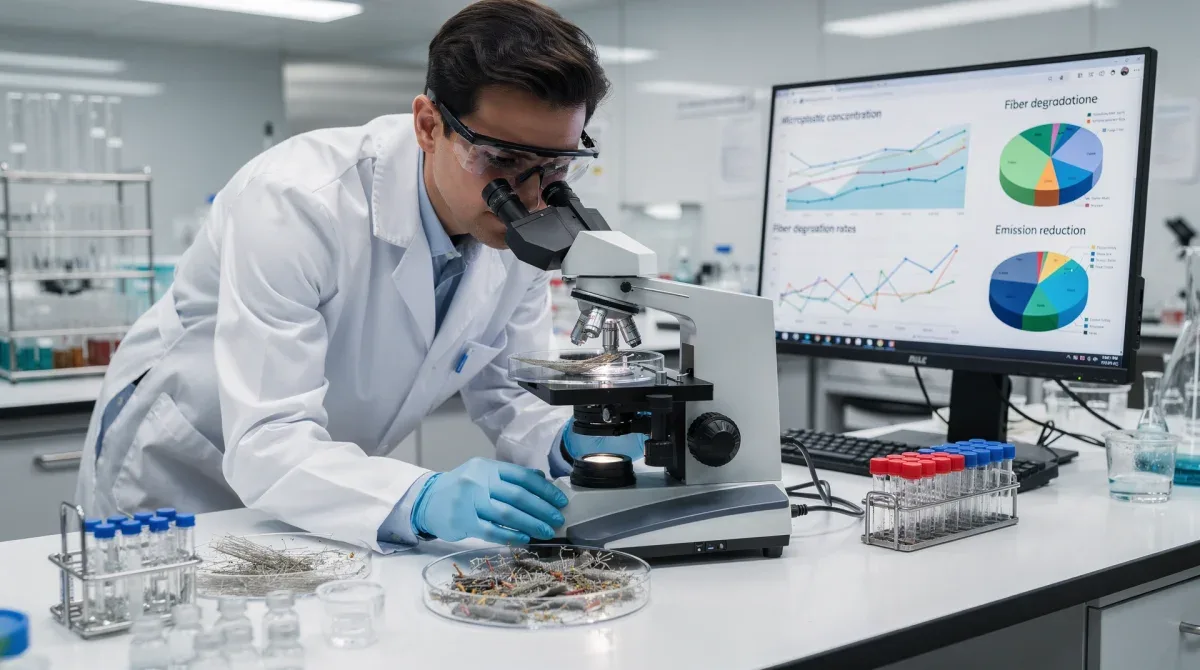
Emerging Technologies for Microplastic Reduction
- Bio-based Synthetics: Developing polymers from renewable resources that biodegrade more readily.
- Encapsulation Technologies: Applying coatings that bind fibers more securely within the fabric structure.
- Advanced Weaving Techniques: Creating tighter, more resilient fabric weaves that minimize fiber release.
- Enzyme Treatments: Exploring biological methods to strengthen fibers and reduce shedding.
These innovations are not just about compliance; they represent a fundamental shift in textile engineering, prioritizing environmental impact alongside performance. Companies are investing heavily in R&D to bring these solutions to market, recognizing the commercial value of sustainable products. The race is on to develop materials that meet both regulatory demands and consumer expectations for eco-friendly fashion.
The development of innovative materials is critical for the future of synthetic knits. By embracing these advancements, the industry can continue to offer the performance benefits of synthetics while drastically reducing their ecological footprint. This proactive approach will be essential for navigating the regulatory landscape and meeting the demands of an increasingly environmentally conscious consumer base.
Consumer Awareness and Market Shifts
The 2026 US microplastic regulations will not only impact manufacturers but also significantly influence consumer awareness and purchasing habits. As brands become more transparent about their environmental practices and product attributes, consumers will be better equipped to make informed choices. This heightened awareness is expected to drive a market shift towards more sustainable and low-shedding garments.
Educating consumers about the impact of microplastics and the benefits of compliant products will be crucial. Brands that proactively communicate their efforts to reduce microplastic shedding, perhaps through clear labeling or marketing campaigns, will likely gain consumer trust and loyalty. This transparency can create a competitive advantage in a market increasingly valuing ethical and sustainable consumption.
Driving Consumer Behavior Towards Sustainability
Consumers are increasingly demanding sustainable options, and the microplastic regulations will provide a clear framework for identifying environmentally responsible products. This will likely lead to:
- Increased Demand for Sustainable Brands: Consumers will favor companies demonstrating genuine commitment to reducing microplastic pollution.
- Shift in Product Preferences: A growing preference for natural fibers or certified low-shedding synthetics.
- Greater Scrutiny of Labels: Consumers will pay more attention to product labeling and environmental certifications.
- Support for Circular Economy Models: Increased interest in garment repair, resale, and recycling initiatives.
The market is already seeing a rise in brands that prioritize sustainability, and these regulations will accelerate that trend. Consumers will become powerful agents of change, using their purchasing power to reward companies that embrace responsible manufacturing. This symbiotic relationship between regulation, industry innovation, and consumer demand will be key to fostering a truly sustainable fashion ecosystem.
Ultimately, the regulations serve as a catalyst for a broader cultural shift towards conscious consumption. As consumers become more aware of the environmental consequences of their fashion choices, they will actively seek out products that align with their values, thereby driving the industry towards a more sustainable future.
Beyond 2026: The Future of Sustainable Synthetic Knits
Looking beyond 2026, the microplastic regulations are just one step in a longer journey towards fully sustainable synthetic knits. The industry will continue to evolve, driven by ongoing research, technological advancements, and evolving environmental standards. The focus will likely broaden to encompass the entire lifecycle of synthetic garments, from cradle to grave.
Future innovations might include fully biodegradable synthetic alternatives that maintain performance characteristics, advanced filtration systems for washing machines, and comprehensive recycling programs for synthetic textiles. The goal is to move towards a circular economy where synthetic knits are designed for longevity, minimal environmental impact, and eventual recapture and repurposing, eliminating waste and pollution.

Long-Term Vision for Sustainable Textiles
The long-term vision for sustainable synthetic knits involves several key areas of development:
- Closed-Loop Recycling: Developing technologies to effectively recycle synthetic textiles back into new fibers.
- Biodegradable Synthetics: Commercializing synthetic polymers that safely decompose in natural environments.
- Smart Textiles: Integrating sensors and functionalities that extend garment life or indicate end-of-life options.
- Policy Harmonization: Working towards global standards for microplastic reduction to create a consistent industry framework.
Collaboration across the industry, including brands, manufacturers, researchers, and policymakers, will be essential to achieving these ambitious goals. The challenge of microplastic pollution is complex, requiring a collective effort to develop and implement scalable solutions. The regulations of 2026 serve as a powerful impetus, but continuous innovation and commitment will define the long-term success of sustainable synthetic knits.
The future of sustainable synthetic knits is one of continuous improvement and adaptation. By embracing a holistic approach that integrates cutting-edge science, responsible manufacturing, and informed consumer choices, the fashion industry can transform its relationship with the environment, creating a legacy of responsible innovation.
| Key Aspect | Brief Description |
|---|---|
| Regulatory Focus | 2026 US regulations target microplastic shedding from synthetic knits. |
| Industry Impact | Manufacturers must innovate materials and processes, re-evaluating supply chains. |
| Technological Solutions | Development of low-shedding fibers, advanced weaving, and biodegradable synthetics. |
| Consumer Role | Increased awareness drives demand for sustainable products and ethical brands. |
Frequently Asked Questions About Microplastic Regulations
What are microplastic regulations and why are they important?▼Microplastic regulations are governmental rules designed to control the release of tiny plastic particles from products, especially textiles. They are crucial for protecting marine life, human health, and ecosystems from the pervasive pollution caused by microplastics shed from synthetic fabrics like knitwear during washing.
How will the 2026 US regulations specifically affect synthetic knit manufacturers?▼Synthetic knit manufacturers will need to invest in R&D for low-shedding materials, adapt production processes, and ensure supply chain compliance. They may face mandatory testing, reporting requirements, and potentially penalties for non-compliance, driving a significant shift in their operational strategies and product development.
What innovations are emerging to address microplastic shedding?▼Innovations include developing stronger, smoother synthetic fibers, creating denser fabric constructions, and exploring biodegradable synthetic alternatives. Advanced coatings and enzyme treatments are also being researched to minimize fiber release. These technologies aim to reduce environmental impact without compromising fabric performance.
How can consumers contribute to reducing microplastic pollution from clothing?▼Consumers can reduce microplastic pollution by choosing natural fibers, washing synthetic clothes less frequently, using cold water, and utilizing laundry bags that capture microfibers. Supporting brands committed to sustainable practices and advocating for stronger regulations also plays a vital role in this collective effort.
What is the long-term vision for sustainable synthetic fashion beyond 2026?▼Beyond 2026, the vision for sustainable synthetic fashion includes widespread adoption of closed-loop recycling, commercially viable biodegradable synthetics, and smart textiles designed for longevity. The goal is a fully circular economy where synthetic garments minimize environmental impact throughout their entire lifecycle, from production to end-of-life.
Conclusion
The 2026 US microplastic regulations on synthetic knits mark a pivotal moment for the fashion industry, compelling a necessary shift towards greater sustainability and environmental responsibility. These regulations will catalyze innovation in material science, reshape manufacturing processes, and elevate consumer awareness regarding textile pollution. While presenting challenges, they also offer immense opportunities for brands to lead in sustainable fashion, ultimately fostering a healthier planet and a more conscious consumer market. The journey towards truly sustainable synthetic textiles is ongoing, but these regulations represent a crucial, transformative step.