EPA Emissions Standards 2026: Impact on 10,000+ Businesses
Advertisements
The release of the EPA Emission Standards 2026 represents a landmark shift in American environmental strategy.
Aimed at curbing the primary drivers of climate change, these regulations set the stage for a dramatic overhaul of the automotive landscape, requiring manufacturers to meet the most stringent greenhouse gas limits in history to date.
For the American driver, this transition means more than just compliance; it signifies a move toward higher fuel efficiency and a surge in electric and hybrid vehicle availability.
As the 2026 deadline approaches, the integration of advanced filtration, lightweight materials, and battery innovation is transforming the road into a cleaner, more sustainable corridor.
Understanding the New EPA Emissions Standards 2026 Framework
The core of the new EPA emissions standards 2026 involves tightening limits on carbon dioxide, nitrogen oxides, and particulate matter. These revised benchmarks are designed to accelerate the adoption of zero-emission vehicle technologies.
The EPA’s framework provides a clear roadmap for manufacturers, outlining specific targets for fleet-wide emissions averages that become progressively more stringent over time. This phased approach allows for innovation and adaptation within the industry.
The agency emphasizes that these standards are both achievable and necessary to meet national climate goals, drawing on extensive research and public feedback gathered over several years.
Key Components of the Regulatory Shift
The new regulations introduce a comprehensive set of requirements that will impact various aspects of vehicle manufacturing. These components are designed to ensure a holistic approach to emissions reduction.
One primary focus is on promoting electric vehicle (EV) sales, with projections indicating a substantial increase in EV market share by the end of the decade. The EPA believes this push is vital for long-term environmental sustainability.
Additionally, the standards address improvements in internal combustion engine efficiency, ensuring that even gasoline-powered vehicles contribute to the overall reduction in pollutants.
This dual approach acknowledges the current market while guiding future development.
Increased stringency for greenhouse gas emissions from light-duty vehicles.
New targets for nitrogen oxides and particulate matter for all vehicle classes.
Incentives for manufacturers to produce and sell more zero-emission vehicles.
Flexibility mechanisms for compliance, including credit trading and technology multipliers.
Impact on Vehicle Manufacturers and Innovation
Automakers are now facing the challenge of re-evaluating their product portfolios and investing heavily in research and development. The EPA emissions standards 2026 necessitate a rapid evolution in vehicle technology.
Many companies have already announced significant investments in electric vehicle platforms and battery production facilities. This regulatory push is accelerating a transition that was already underway, but now with a more defined timeline.
Innovation will be key, not only in powertrain development but also in lightweight materials, aerodynamics, and advanced emissions control systems for conventional vehicles.
The competitive landscape is shifting as companies vie to meet and exceed the new benchmarks.
<br />
Economic and Environmental Implications of the 2026 Standards
The economic impact of the EPA emissions standards 2026 is expected to be substantial, affecting both production costs and consumer prices. However, the long-term environmental benefits are projected to outweigh these initial adjustments.
While vehicle prices might see an initial increase due to new technologies, the EPA anticipates long-term savings for consumers through reduced fuel costs and lower maintenance for electric vehicles. This creates a complex economic balance.
Environmentally, the standards are projected to prevent millions of tons of greenhouse gas emissions, leading to cleaner air, improved public health, and a significant step towards climate resilience. These benefits extend across the entire nation.
Consumer Choices and Market Dynamics
Consumers will encounter a wider array of electric and hybrid vehicle options as manufacturers work to comply with the EPA emissions standards 2026. This expansion in choice could democratize access to cleaner transportation.
The market dynamics are expected to shift, with a greater emphasis on fuel efficiency and low-emission vehicles. Dealerships will need to adapt their sales strategies and provide more information on the benefits of these advanced technologies.
Government incentives, such as tax credits for EV purchases, will likely continue to play a crucial role in encouraging consumer adoption, helping to offset any initial price premiums. This support system is vital for a smooth transition.
The shift towards cleaner vehicles also means a growing demand for charging infrastructure. The expansion of public and private charging networks will be critical to support the increasing number of EVs on the road.
This infrastructural development will create new jobs and investment opportunities, further stimulating the economy. The transition is not just about cars; it's about a complete ecosystem change.
Consumers will need to consider not only the upfront cost but also the long-term operating expenses and environmental footprint of their vehicle choices. Education and awareness will be key to informed decisions.
Challenges and Opportunities for the Automotive Sector

The automotive industry faces significant challenges in meeting the aggressive timelines set by the EPA emissions standards 2026. Re-tooling factories, training workforce, and securing supply chains for critical components are monumental tasks.
Companies that can innovate quickly and efficiently will gain a competitive edge in the evolving market. The standards are pushing for a rapid technological transformation, demanding agility from all players.
However, these challenges also present immense opportunities for growth and new business models. The demand for advanced batteries, charging solutions, and renewable energy integration will surge.
Supply Chain Reinforcement and Manufacturing Shifts
A critical aspect of meeting the new EPA emissions standards 2026 is the strengthening of supply chains, particularly for battery raw materials and components. This requires global collaboration and domestic investment.
Many manufacturers are exploring vertical integration or forming strategic partnerships to secure access to essential resources. This proactive approach aims to mitigate potential bottlenecks and ensure consistent production.
Manufacturing facilities are undergoing significant transformations, with traditional assembly lines being retrofitted for EV production. This shift requires substantial capital investment and a skilled workforce capable of handling new technologies.
The emphasis on domestic manufacturing for electric vehicles and batteries is also growing, driven by national security concerns and economic development goals.
This could lead to a revitalization of manufacturing sectors in various regions.
Policies like the Inflation Reduction Act are already providing incentives for companies to establish EV and battery production within the United States. This further supports the transition mandated by the new standards.
Ensuring a robust and resilient supply chain will be paramount for the successful implementation of the EPA emissions standards 2026 and the broader electrification of the automotive industry. This complex task involves numerous stakeholders.
Federal and State Collaboration on Emissions Reduction
The implementation of the EPA emissions standards 2026 will require close collaboration between federal agencies and state governments. State-level policies and incentives often complement federal regulations.
California, for instance, has historically led the way with its own stringent emissions standards, often serving as a blueprint for federal policy. Other states that adopt California's rules will play a crucial role in the national transition.
This coordinated effort ensures a consistent regulatory environment while allowing for regional specificities and innovative approaches to emissions reduction. The synergy between different levels of government is vital.
Role of Infrastructure Development
A successful transition to lower-emission vehicles, especially EVs, hinges on robust infrastructure development. The EPA emissions standards 2026 implicitly demand an expansion of charging networks and renewable energy sources.
The federal government has committed significant funding to build a national network of EV charging stations along major corridors and in underserved communities. This investment is crucial for consumer confidence and widespread adoption.
States and local governments are also implementing their own programs to support infrastructure expansion, including grants for charging stations and upgrades to electrical grids. This multi-pronged approach is essential.
Beyond charging, the broader energy grid must also evolve to support increased electricity demand from EVs, ideally powered by renewable sources. This ensures that the environmental benefits are maximized.
Investment in smart grid technologies and energy storage solutions will be critical to manage the load and integrate more intermittent renewable energy. This holistic energy transition is a long-term goal.
The development of hydrogen fueling infrastructure for fuel cell electric vehicles (FCEVs) is another area of focus, offering an alternative zero-emission solution for heavier vehicles and longer ranges. Diversification is key.
Public Health and Environmental Benefits
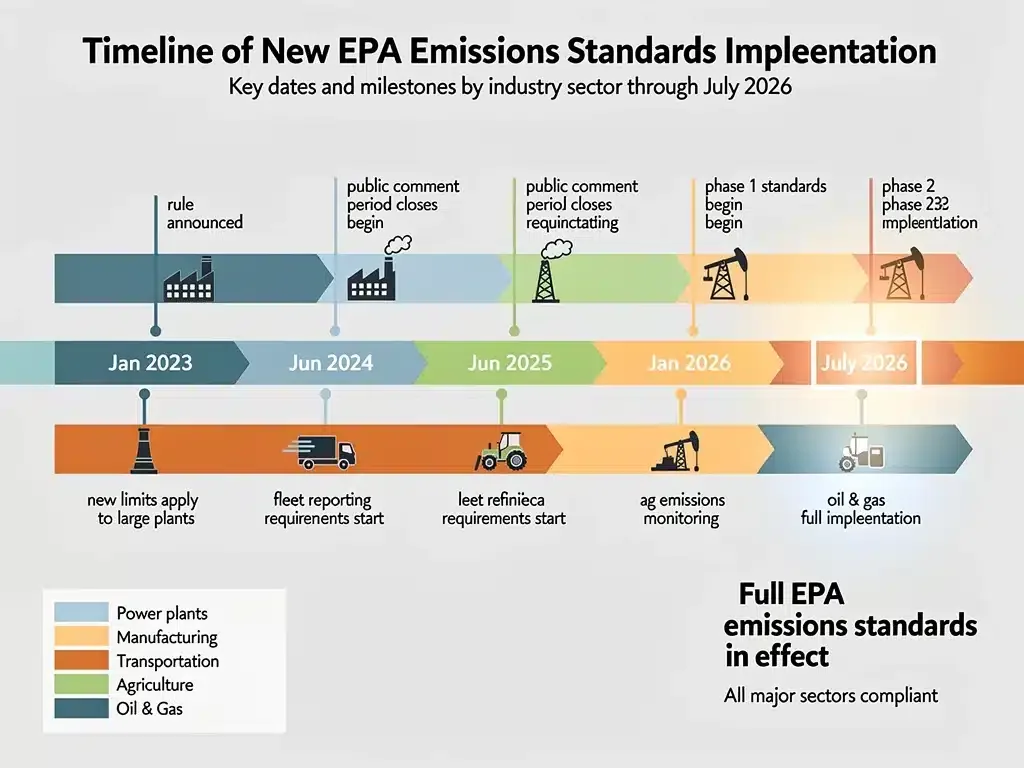
The primary motivation behind the EPA emissions standards 2026 is to safeguard public health and protect the environment. Reduced tailpipe emissions will lead to tangible improvements in air quality.
Lower levels of fine particulate matter and ground-level ozone, both linked to respiratory and cardiovascular diseases, are expected. This will translate into fewer asthma attacks, hospitalizations, and premature deaths.
Furthermore, the reduction in greenhouse gases directly addresses climate change, mitigating its impacts such as extreme weather events, rising sea levels, and ecosystem disruption. The benefits are global and long-lasting.
Addressing Air Quality and Climate Change
The new EPA emissions standards 2026 are a critical step in the nation's strategy to meet its commitments under the Paris Agreement. They represent a tangible action towards decarbonizing the transportation sector.
By targeting the largest source of greenhouse gas emissions in the U.S., the standards aim to significantly bend the curve on climate change. This aggressive approach is necessary given the urgency of the global climate crisis.
Beyond climate benefits, the localized improvements in air quality will disproportionately benefit communities located near heavily trafficked roads and industrial areas, often environmental justice communities. This aspect is profoundly important.
The cleaner air will also have positive effects on ecosystems, reducing acid rain and nutrient pollution that harm forests, lakes, and coastal waters. The environmental ripple effect is extensive.
These standards are designed to not only mitigate current environmental damage but also to prevent future degradation. This forward-looking approach is a hallmark of effective environmental policy.
The long-term health and environmental dividends from the EPA emissions standards 2026 are projected to be immense, providing a compelling justification for the initial investment and effort required from the automotive sector and consumers alike.
Anticipating the Future: Beyond 2026
While the EPA emissions standards 2026 set immediate goals, they also lay the groundwork for future regulatory actions. The agency is likely to continue pushing for even stricter limits in subsequent years.
The automotive industry should view these standards not as an endpoint, but as part of a continuous journey towards a fully decarbonized transportation system. Long-term planning is essential for sustained compliance.
Technological advancements, particularly in battery technology and renewable energy, will continue to shape future possibilities and regulatory frameworks. The pace of innovation will dictate the next steps.
Global Context and International Cooperation
The EPA emissions standards 2026 are part of a global trend towards stricter environmental regulations in the automotive sector. Many other countries and regions are implementing similar or even more ambitious targets.
This international alignment can foster greater collaboration on research and development, accelerate the sharing of best practices, and create a more harmonized global market for low-emission vehicles.
The U.S. role in setting these standards reinforces its commitment to global climate leadership and encourages other nations to pursue similar pathways. This leadership is vital for collective environmental action.
Navigating the New Regulatory Landscape
For businesses and consumers alike, understanding and adapting to the EPA emissions standards 2026 will be crucial. This involves staying informed about specific vehicle models, available incentives, and evolving infrastructure.
Automakers must continue to engage with regulatory bodies and invest in sustainable practices to ensure long-term viability. Proactive engagement can help shape future policies and minimize disruption.
Consumers should research the environmental performance and operating costs of new vehicles, considering both immediate needs and long-term benefits. Informed decisions will drive market transformation.
Key Aspect | Description |
|---|---|
Effective Date | January 2026, marking the beginning of stricter compliance. |
Primary Goal | Significantly reduce greenhouse gas and other harmful vehicle emissions. |
Industry Impact | Drives innovation in EV technology and efficiency for conventional engines. |
Consumer Effect | More EV options, potential initial price adjustments, long-term fuel savings. |
Frequently Asked Questions About the New EPA Emissions Standards
What exactly are the new EPA emissions standards for 2026?▼
The new standards, effective January 2026, set tighter limits on greenhouse gas emissions, nitrogen oxides, and particulate matter for light-duty vehicles. They aim to reduce pollution significantly and accelerate the transition towards zero-emission vehicles across the United States, pushing manufacturers to innovate cleaner technologies.
How will these standards impact vehicle prices and availability?▼
While there might be an initial increase in vehicle prices due to advanced technologies, the EPA anticipates long-term savings for consumers through reduced fuel and maintenance costs, especially for electric vehicles. Availability of EVs and hybrids is expected to increase substantially, offering more choices to buyers.
What role do electric vehicles play in these new regulations?▼
Electric vehicles are central to the new EPA emissions standards 2026 strategy. The regulations include strong incentives and targets for manufacturers to increase EV production and sales, aiming for a significant portion of new vehicle sales to be zero-emission by the end of the decade, driving market transformation.
Are there any incentives for consumers to buy cleaner vehicles?▼
Yes, federal and state governments offer various incentives, such as tax credits and rebates, for purchasing electric and plug-in hybrid vehicles. These incentives are designed to make cleaner vehicles more affordable and accessible, helping consumers offset potential higher upfront costs related to new emission technologies.
What are the environmental benefits expected from these new standards?▼
The standards are projected to yield significant environmental benefits, including reduced air pollution leading to better public health outcomes and a substantial decrease in greenhouse gas emissions. This contributes directly to combating climate change and improving air quality, especially in urban areas, for a healthier environment.
Looking Ahead: The Future of Clean Transportation
The EPA Emission Standards 2026 represent a foundational step in the broader effort to decarbonize the transportation sector.
This regulatory shift signals a clear direction for the automotive industry and sets a precedent for future environmental policies.
Stakeholders, from policymakers to individual drivers, must remain engaged and adaptable as these changes unfold.
The journey towards a cleaner, more sustainable future is ongoing, with each new standard bringing us closer to healthier communities and a resilient planet
. Monitoring the implementation, technological breakthroughs, and market responses will be key to understanding the full impact of these pivotal regulations.
The commitment to cleaner air and a stable climate continues to drive innovation and change.
For those looking at the next evolution of these rules, including the transition to model year 2027 and beyond, you can explore the EPA's final rule on multi-pollutant emissions standards which continues this progress.