What Makes a $50 T-Shirt Different from a $15 One?
Advertisements
The disparity between a $50 and a $15 t-shirt stems from critical factors like fabric composition, manufacturing quality, ethical labor practices, and brand positioning, each contributing significantly to the final product's durability, comfort, and perceived value.
Have you ever wondered what makes a $50 t-shirt different from a $15 one? A 4-point structural breakdown reveals that the price tag often reflects much more than just a label. It's about a confluence of factors, from the raw materials to the hands that craft it, all culminating in a garment that offers a distinct experience and longevity.
The foundation: fabric quality and composition
The journey from a raw fiber to a finished t-shirt is complex, and the choice of fabric is arguably the most significant differentiator between a budget-friendly tee and a premium one. A $15 t-shirt often uses conventional cotton, which is typically a shorter staple fiber, leading to a coarser feel and a tendency to pill or lose shape faster. In contrast, a $50 t-shirt is likely to feature superior materials, impacting everything from comfort to durability.
Premium t-shirts often utilize long-staple cotton varieties like Pima or Supima, or even organic cotton, known for their exceptional softness, strength, and resistance to fading. The length of the cotton fiber directly correlates with the yarn's strength and smoothness. Shorter fibers create more ends that can poke out, leading to a rougher texture and more pilling. Longer fibers, however, can be spun into finer, stronger, and smoother yarns, resulting in a fabric that feels luxurious against the skin and holds up better over time.
Beyond basic cotton: exploring blends and treatments
While cotton remains a staple, premium t-shirts frequently incorporate sophisticated blends or specialized treatments to enhance performance and feel. These can include modal, Tencel, or even cashmere blends, offering unique properties like enhanced drape, moisture-wicking capabilities, or added softness. The processing of these fabrics also plays a crucial role.
- Mercerization: This treatment strengthens cotton fibers, increases their luster, and improves dye uptake, leading to more vibrant and long-lasting colors.
- Combing: A process that removes short fibers and impurities, resulting in a smoother, stronger, and more uniform yarn.
- Enzyme washes: These washes break down cellulose fibers, giving the fabric a softer hand-feel and a slightly worn-in look without compromising durability.

The type of knit also contributes significantly. A tighter, denser knit used in higher-end t-shirts provides better shape retention and less transparency, reflecting a more substantial and durable garment. This meticulous attention to fabric selection and treatment ensures that a $50 t-shirt isn't just a basic garment, but a carefully engineered piece designed for comfort, longevity, and aesthetic appeal.
Craftsmanship and construction: stitching, seams, and finishing
Beyond the raw materials, the way a t-shirt is put together profoundly influences its quality and lifespan. A $15 t-shirt often prioritizes speed and cost-efficiency in manufacturing, leading to shortcuts in construction that compromise durability. This can manifest in uneven stitching, loose threads, and poorly finished seams that unravel after just a few washes.
In contrast, a $50 t-shirt typically boasts superior craftsmanship, evident in its meticulous construction. The stitching is usually denser, with more stitches per inch, which creates stronger seams that are less prone to tearing. You'll often find reinforced stress points, such as the collar, shoulders, and sleeve cuffs, which are critical for a garment's longevity, especially in areas that experience frequent stretching and movement.
The devil is in the details: seam types and thread quality
The type of seam used is another indicator of quality. A basic t-shirt might use a simple overlock stitch, which is fast but can be less durable. Premium t-shirts often feature flatlock seams or bound seams, particularly in areas that require extra strength and comfort against the skin. Flatlock seams, for instance, lie flat, reducing bulk and chafing, making the garment more comfortable to wear.
- Thread quality: High-quality t-shirts use stronger, more resilient threads, often made from polyester or a polyester-cotton blend, which can withstand repeated washing and wear without breaking or degrading.
- Matching patterns: For striped or patterned t-shirts, a higher price point often means careful attention to matching patterns at the seams, a detail that requires more time and precision during cutting and sewing.
- Collar construction: A well-constructed collar on a $50 t-shirt will typically use a ribbed knit that retains its shape, often reinforced with an extra seam or taping to prevent stretching and sagging over time.
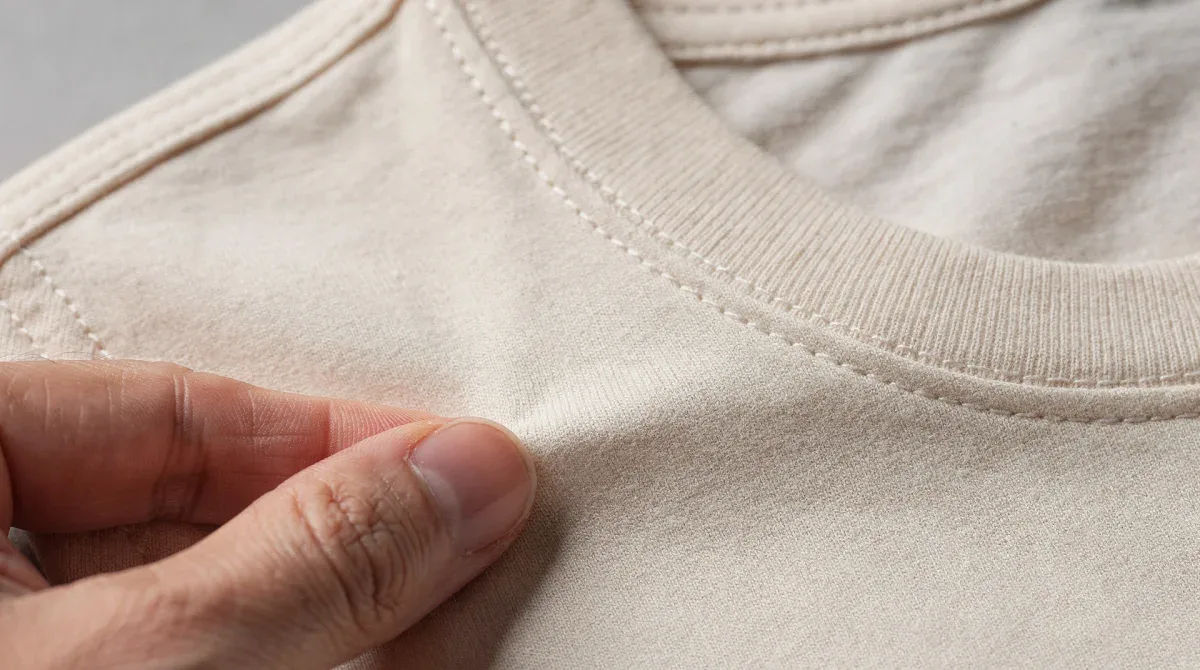
The finishing touches also matter. A premium t-shirt will have neatly trimmed threads, smoothly finished hems, and no loose ends. These seemingly small details contribute significantly to the overall aesthetic and structural integrity of the garment, ensuring it maintains its shape and appearance even after extensive use.
Ethical production and labor practices: a hidden cost
The price difference between a $15 and a $50 t-shirt often reflects the ethical considerations embedded in its production. While a cheaper t-shirt might be the result of cost-cutting measures that exploit labor or disregard environmental standards, a more expensive one frequently signifies a commitment to fair wages, safe working conditions, and sustainable manufacturing processes. This aspect of production, though invisible to the naked eye, carries a significant moral and financial weight.
Fast fashion brands, responsible for many $15 t-shirts, often rely on supply chains that prioritize speed and low cost above all else. This can lead to factories where workers are paid below minimum wage, work excessive hours, and operate in unsafe environments. The drive to produce garments at rock-bottom prices often comes at the expense of human dignity and environmental responsibility.
Transparency and certifications: proving ethical commitment
Brands selling $50 t-shirts are increasingly transparent about their supply chains, often providing information about where their cotton is sourced, where their garments are sewn, and the certifications they hold. These certifications are crucial for verifying ethical practices.
- Fair Trade Certified: Ensures fair wages, safe working conditions, and community development for farmers and factory workers.
- GOTS (Global Organic Textile Standard): Guarantees organic status of textiles from harvesting of the raw materials through environmentally and socially responsible manufacturing.
- SA8000: An international certification standard that measures social performance, ensuring decent working conditions.
Investing in a t-shirt from a brand committed to ethical production means supporting businesses that value their workers and the planet. This commitment often translates into higher manufacturing costs, as fair wages, better equipment, and adherence to environmental regulations are more expensive than cutting corners. The cost of a $50 t-shirt, therefore, can be seen as a vote for a more humane and sustainable fashion industry.
Brand value and design: innovation, reputation, and aesthetics
Finally, a significant portion of the cost difference between a $15 and a $50 t-shirt can be attributed to brand value and design. While a basic tee might serve its functional purpose, a premium t-shirt often embodies a specific aesthetic, a design philosophy, or a reputation for quality and innovation that justifies a higher price point. This isn't just about a logo; it's about the entire story and experience the brand offers.
Higher-priced t-shirts often come from brands that invest heavily in research and development, creating unique fabric blends, innovative cuts, and timeless designs. They might employ renowned designers, utilize advanced textile technologies, or focus on niche markets that appreciate distinctive styling and superior fit. The design process itself, from conceptualization to prototyping and final production, is often more extensive and detail-oriented.
The impact of reputation and marketing
A brand's reputation, built over years of consistent quality and customer satisfaction, also contributes to its pricing power. Consumers are often willing to pay more for a brand they trust, one that has a proven track record of delivering durable, comfortable, and stylish garments. Marketing and branding efforts, while sometimes seen as intangible, are essential for communicating this value to the consumer.
- Unique fits and silhouettes: Premium brands often offer a wider range of fits and carefully engineered silhouettes that flatter various body types, moving beyond generic sizing.
- Exclusive designs and collaborations: Limited edition designs or collaborations with artists and designers can add significant perceived value and exclusivity to a t-shirt.
- Customer service and experience: Higher-end brands often provide superior customer service, including extended warranties, easier returns, and a more personalized shopping experience, enhancing the overall value proposition.
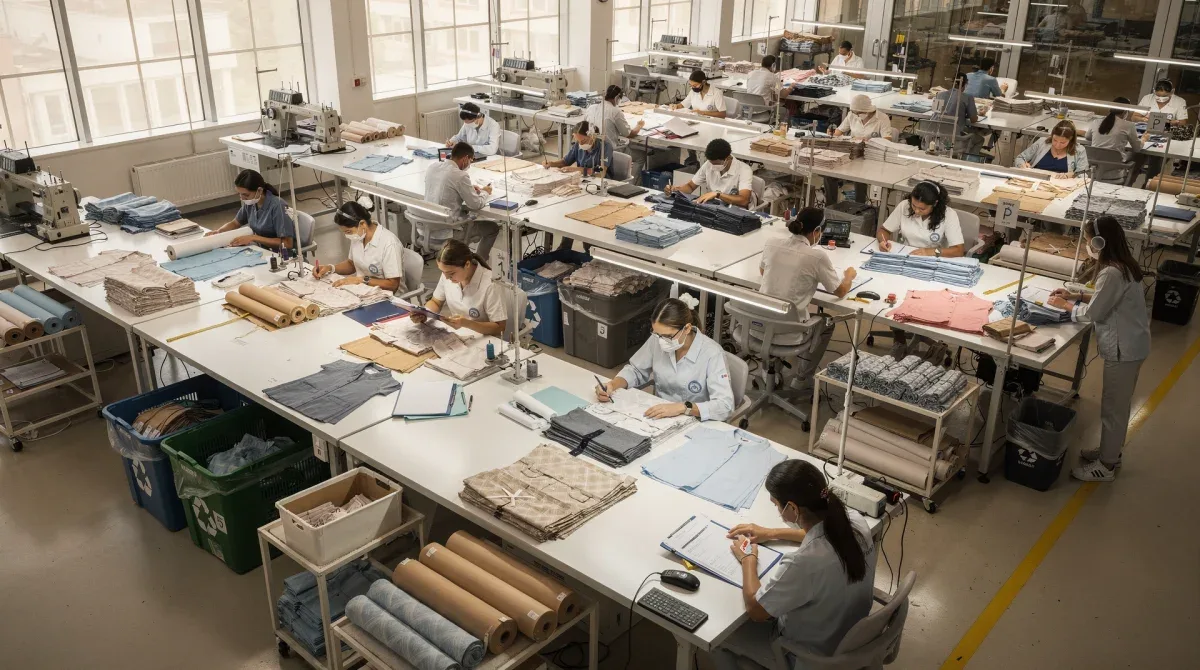
Ultimately, the brand value of a $50 t-shirt is a combination of its intrinsic qualities—superior materials and craftsmanship—and its extrinsic attributes, such as design innovation, brand heritage, and the overall experience it provides. It's an investment in a piece of clothing that reflects a certain lifestyle, a commitment to quality, and an appreciation for thoughtful design, moving beyond mere utility to become a statement of personal style and values.
Longevity and cost per wear: a long-term perspective
When evaluating the difference between a $15 and a $50 t-shirt, it’s crucial to consider the concept of longevity and cost per wear. While the initial outlay for a $50 t-shirt is higher, its superior quality in terms of fabric, construction, and ethical production often translates into a garment that lasts significantly longer. A cheaper t-shirt might seem like a bargain upfront, but if it degrades after a few washes, its true cost can quickly escalate.
A $15 t-shirt, typically made with lower-grade materials and less robust construction, may pill, stretch out of shape, fade, or even develop holes after a relatively short period of wear. This means frequent replacements, adding to the overall cost and contributing to textile waste. The perceived savings quickly diminish when you find yourself buying multiple cheap t-shirts to replace worn-out ones within the same timeframe that a single quality t-shirt would last.
The environmental and economic benefits of durability
Investing in a durable $50 t-shirt not only saves money in the long run but also offers environmental benefits. By reducing the frequency of purchases, you contribute less to the demand for fast fashion, which is notorious for its resource-intensive production and waste generation. A garment that lasts longer is inherently more sustainable, as it postpones its journey to the landfill.
- Reduced consumption: Buying fewer, higher-quality items decreases overall consumption and the environmental footprint associated with manufacturing.
- Better resource utilization: Premium fabrics and ethical production often involve more sustainable practices, from water conservation to reduced chemical use.
- Consistent appearance: A durable t-shirt maintains its aesthetic appeal for longer, meaning you don't have to compromise on looking good even after many wears.
The cost per wear calculation is simple: divide the price of the item by the number of times you wear it. If a $15 t-shirt is worn 10 times before it's discarded, its cost per wear is $1.50. If a $50 t-shirt is worn 100 times, its cost per wear is $0.50. This perspective highlights that a higher initial investment in quality can lead to significant savings and better value over time, making the $50 t-shirt the more economical choice in the long run.
The sensory experience: comfort and feel
The tactile experience of wearing a t-shirt is a crucial, yet often overlooked, differentiator between a $15 and a $50 garment. Beyond mere aesthetics and durability, the comfort and feel against the skin play a significant role in how much you enjoy wearing a piece of clothing. A premium t-shirt is designed to offer a superior sensory experience, making it a joy to wear day in and day out.
A $15 t-shirt, often made from conventional, shorter-staple cotton, can feel rough, stiff, or even scratchy. The fibers are less uniform, and the fabric may lack the drape and softness that contribute to a truly comfortable garment. These cheaper materials might also have less breathability, leading to discomfort, especially in warmer climates or during physical activity. The goal is often to minimize material costs, which directly impacts the hand-feel of the fabric.
The luxury of softness and breathability
In contrast, a $50 t-shirt typically prioritizes luxurious softness, excellent drape, and enhanced breathability. This is achieved through the use of premium fibers like long-staple cottons (Pima, Supima), modal, or Tencel, which are inherently smoother and more consistent. These fibers are often spun into finer yarns and knitted with a specific construction that enhances their natural properties, creating a fabric that feels incredibly soft and gentle against the skin.
- Silky smoothness: Premium fabrics undergo processes like mercerization and enzyme washes that break down harsh fibers, resulting in a fabric that feels exceptionally smooth and silky.
- Superior drape: The way a fabric falls and contours to the body, known as drape, is significantly better in higher-quality t-shirts, contributing to a more flattering and comfortable fit.
- Enhanced breathability: Tighter, yet finer, knits made from natural or semi-synthetic fibers allow for better air circulation, keeping you cooler and more comfortable throughout the day.
The comfort factor extends beyond just the fabric. Well-constructed seams that lie flat prevent chafing, and a thoughtfully designed cut allows for freedom of movement without feeling restrictive. Even the weight of the fabric contributes to the sensory experience; a perfectly weighted premium t-shirt feels substantial without being heavy, providing a sense of quality and comfort that a lighter, cheaper alternative often cannot match. This holistic approach to comfort ensures that a $50 t-shirt is not just worn, but truly experienced.
Maintenance and care: preserving your investment
The discussion of what differentiates a $50 t-shirt from a $15 one would be incomplete without addressing the implications for maintenance and care. While all clothing benefits from proper care, the inherent quality of a $50 t-shirt often means it responds better to washing and drying, retaining its shape, color, and texture for much longer than its cheaper counterpart. This ease of maintenance further solidifies its value as an investment.
A $15 t-shirt, due to its lower quality materials and construction, is often more susceptible to degradation during routine washing. It might shrink unevenly, lose its color quickly, or develop stretched-out areas, especially around the collar and sleeves. The fibers can become brittle, leading to pilling and a generally worn-out appearance after only a few cycles in the laundry. This means a constant battle to keep it looking presentable, often ending in premature disposal.
Simplifying care for premium garments
Premium t-shirts, on the other hand, are designed with durability in mind, making them more resilient to the rigors of laundry day. The use of long-staple fibers, superior dyes, and reinforced stitching means they are less likely to shrink, fade, or distort. Many high-end t-shirts are pre-shrunk, ensuring that the fit you buy is the fit you keep. Their robust construction helps them maintain their structural integrity, minimizing the need for special handling or excessive care.
- Color retention: High-quality dyes penetrate fibers more deeply and are more resistant to fading, keeping your t-shirt looking vibrant wash after wash.
- Shape stability: Tighter knits and strong seams ensure that the t-shirt retains its original shape, preventing sagging or twisting.
- Reduced pilling: Longer, smoother fibers are less prone to breaking and tangling, significantly reducing the formation of unsightly pills on the fabric surface.
While it's always advisable to follow care instructions, a $50 t-shirt generally offers more forgiveness in its maintenance. It requires less effort to keep it looking new, freeing up your time and reducing the stress of garment care. This ease of preservation, combined with its inherent durability, means that your investment continues to pay off in terms of appearance and wearability for years, making the premium choice a more practical and sustainable option in the long run.
| Key Differentiator | Brief Description |
|---|---|
| Fabric Quality | Premium t-shirts use long-staple cotton, organic blends, or specialized fibers for softness, strength, and durability. |
| Construction & Craftsmanship | Higher stitch count, reinforced seams, and meticulous finishing ensure longevity and shape retention. |
| Ethical Production | Fair wages, safe conditions, and sustainable practices are often reflected in the higher price of premium tees. |
| Brand Value & Design | Unique designs, brand reputation, and investment in R&D contribute to the perceived and actual value. |
Frequently asked questions about t-shirt quality
Is a $50 t-shirt always worth the extra cost?▼While not every $50 t-shirt guarantees superior quality, the increased price often reflects better materials, craftsmanship, and ethical production. It's generally a worthwhile investment if you prioritize durability, comfort, and sustainability, leading to a better cost-per-wear over time compared to cheaper alternatives.
What specific fabric differences should I look for?▼Look for terms like Pima cotton, Supima cotton, organic cotton, modal, or Tencel. These indicate longer fibers and more sustainable or luxurious materials. Also, check for fabric density and feel; higher quality fabrics tend to be softer, smoother, and less prone to pilling.
How can I identify good t-shirt construction?▼Examine the stitching: look for tight, even seams with no loose threads and a high stitch count per inch. Reinforced areas at the collar, shoulders, and armholes are also indicators of quality. Flatlock or bound seams are often found in premium garments for enhanced comfort and durability.
Do ethical production practices significantly impact the price?▼Yes, ethical production practices, including fair wages, safe working conditions, and environmentally responsible manufacturing, typically increase production costs. Brands committed to these standards often pass some of these costs to the consumer, making the t-shirt more expensive but supporting a more sustainable and humane supply chain.
What role does brand reputation play in t-shirt pricing?▼Brand reputation often reflects consistent quality, innovative design, and effective marketing. Established brands with a history of producing desirable garments can command higher prices due to consumer trust, unique aesthetics, and the overall experience associated with their products, extending beyond just the material cost.
Conclusion
The journey to understanding the difference between a $50 and a $15 t-shirt reveals a complex interplay of factors far beyond simple cost. From the foundational quality of the fabric and the meticulousness of its construction to the ethical compass guiding its production and the intangible value of brand and design, every element contributes to the final product. Investing in a higher-priced t-shirt often means investing in superior comfort, enhanced durability, reduced environmental impact, and a garment that maintains its aesthetic appeal over a longer lifespan, ultimately offering greater value and a more satisfying experience. It's a choice that reflects not just a budget, but a commitment to quality, sustainability, and thoughtful consumption in the dynamic world of fashion.