Wardrobe Cost-Per-Wear Formula: Save 40% Long-Term
Advertisements
The wardrobe cost-per-wear formula is a strategic approach to evaluating clothing investments by dividing an item's purchase price by its anticipated number of uses, thereby revealing its true economic value over time and promoting more intentional, budget-friendly fashion choices.
Understanding the wardrobe cost-per-wear formula is not just a budgeting trick; it's a revolutionary approach to smart fashion consumption that can significantly transform your spending habits and elevate your style. Imagine purchasing an outerwear staple for $200 and, through strategic use, realizing it saves you a remarkable 40% long-term compared to cheaper, less durable alternatives. This concept shifts focus from initial price to actual value, empowering you to build a more sustainable, high-quality wardrobe that truly serves your lifestyle. It's about making informed decisions that benefit both your wallet and the planet.
Decoding the cost-per-wear formula: beyond the price tag
The cost-per-wear (CPW) formula is a simple yet powerful metric that helps you assess the true value of a clothing item. Instead of just looking at the upfront price, CPW encourages you to consider how many times you'll actually wear a garment. This perspective radically changes how you perceive a purchase, transforming what might seem like an expensive item into a savvy investment.
Many consumers fall into the trap of buying cheap, trendy pieces that quickly wear out or go out of style. While these items have a low initial cost, their CPW can be surprisingly high because they are worn infrequently or for a short period. Conversely, a higher-priced, well-made item might initially cause sticker shock, but if worn frequently over many years, its CPW plummets, revealing its superior value.
The simple calculation: price divided by wears
The formula itself is straightforward: simply divide the total cost of the item by the number of times you expect to wear it. For instance, a $20 fast-fashion top worn only twice before falling apart has a CPW of $10. A $200 quality jacket worn 100 times has a CPW of $2. The difference is stark and illustrates the long-term financial benefits of investing in durability and versatility.
- Initial Cost: The price you pay for the item.
- Number of Wears: An estimate of how many times you will use the item.
- True Value: The cost-per-wear reveals the actual expense of each use.
This calculation provides a clear, objective measure that helps you move past emotional buying and toward rational, sustainable choices. It's not about being extravagant; it's about being smart with your resources and recognizing that cheaper isn't always better in the long run. By adopting this mindset, you begin to see your wardrobe as an asset rather than a series of fleeting purchases.
Ultimately, understanding and applying the cost-per-wear formula empowers you to make more deliberate purchasing decisions. It shifts your focus from immediate gratification to enduring value, ensuring that each piece in your wardrobe earns its place through frequent use and lasting quality. This foundational understanding is the first step toward a more efficient and economical approach to personal style.
Strategic investment in outerwear: the $200 staple example
Outerwear often represents one of the most significant investments in a wardrobe, making it an ideal category to apply the cost-per-wear formula. Consider a hypothetical scenario: a high-quality, versatile $200 outerwear staple, such as a classic trench coat or a durable wool blazer. This initial investment might seem substantial, but its potential for long-term savings is remarkable when compared to cheaper alternatives.
Many consumers opt for less expensive coats, perhaps two or three at $60-$80 each, totaling $180-$240. These items often lack the craftsmanship, material quality, and timeless design of a higher-priced staple. As a result, they may quickly show signs of wear, go out of style, or simply not provide the same level of comfort and protection, leading to frequent replacements.

Long-term savings: 40% and beyond
Let's quantify the savings. If our $200 outerwear staple is worn an average of 50 times per year over five years, that's 250 wears. Its cost-per-wear is $200 / 250 = $0.80. Now, consider a cheaper $70 coat that you might wear only 20 times before it needs replacing, perhaps every two years. Over five years, you would buy 2.5 of these coats (let's round up to 3 for practical purposes), spending $210. This totals 60 wears, making its CPW $210 / 60 = $3.50.
- High-Quality Staple: $200 / 250 wears = $0.80 CPW
- Cheaper Alternative: $210 / 60 wears = $3.50 CPW
- Savings Potential: The staple offers significantly lower per-wear cost.
The difference is profound. Not only does the $200 staple offer a significantly lower cost per wear, but it also provides superior aesthetics, comfort, and longevity. The long-term financial benefit can easily exceed 40% when you account for fewer replacements, less time spent shopping, and the consistent quality it brings to your daily attire. This example clearly demonstrates how a higher initial outlay can translate into considerable savings and greater satisfaction over time.
Investing in a high-quality outerwear piece is more than just a financial decision; it's a commitment to a more thoughtful and sustainable approach to fashion. By choosing items built to last and designed to transcend fleeting trends, you not only save money but also contribute to reducing textile waste and promoting ethical consumption. This strategic mindset makes your wardrobe work harder for you, both economically and stylistically.
Identifying high-value wardrobe staples
Not all clothing items are created equal when it comes to their cost-per-wear potential. Identifying high-value wardrobe staples involves looking beyond brand names and trends, focusing instead on timeless design, superior materials, and versatile functionality. These are the pieces that form the backbone of a functional, stylish, and economical wardrobe.
High-value staples are characterized by their ability to be mixed and matched with various other items, suitable for multiple occasions, and durable enough to withstand frequent wear and washing without losing their appeal. Think classic silhouettes, neutral colors, and robust fabrics that age gracefully. These items should enhance your existing wardrobe rather than demand new purchases to complete an outfit.
Key characteristics of a smart investment
When searching for true wardrobe staples, several factors should guide your decision-making process. These characteristics ensure that your investment will indeed pay off in terms of longevity and versatility.
- Versatility: Can the item be dressed up or down? Does it work across different seasons?
- Durability: Is it made from high-quality materials and constructed well? Will it withstand frequent use?
- Timelessness: Is the style classic and unlikely to go out of fashion quickly?
- Comfort: Will you genuinely enjoy wearing it often? Comfort is crucial for frequent use.
- Fit: Does it fit well, or can it be easily altered for a perfect fit? A good fit encourages more wear.
For instance, a well-fitting pair of dark-wash jeans, a crisp white button-down shirt, a simple black dress, or a classic leather belt are all examples of items that, despite their initial cost, typically offer an excellent cost-per-wear. They are foundational pieces that can be styled in countless ways, making them indispensable components of a smart wardrobe.
By prioritizing these characteristics, you consciously build a wardrobe that is both efficient and expressive. Each new addition is a thoughtful decision, not an impulsive one, leading to a collection of garments that truly reflect your style and support your lifestyle without unnecessary expenditure. This approach transforms shopping from a chore into a strategic art form.
Implementing the formula: practical tips for everyday shopping
Successfully integrating the cost-per-wear formula into your everyday shopping habits requires a shift in mindset and some practical strategies. It's about becoming a more intentional consumer, one who values quality and longevity over fleeting trends and bargain prices. This approach empowers you to curate a wardrobe that is both stylish and economically sound.
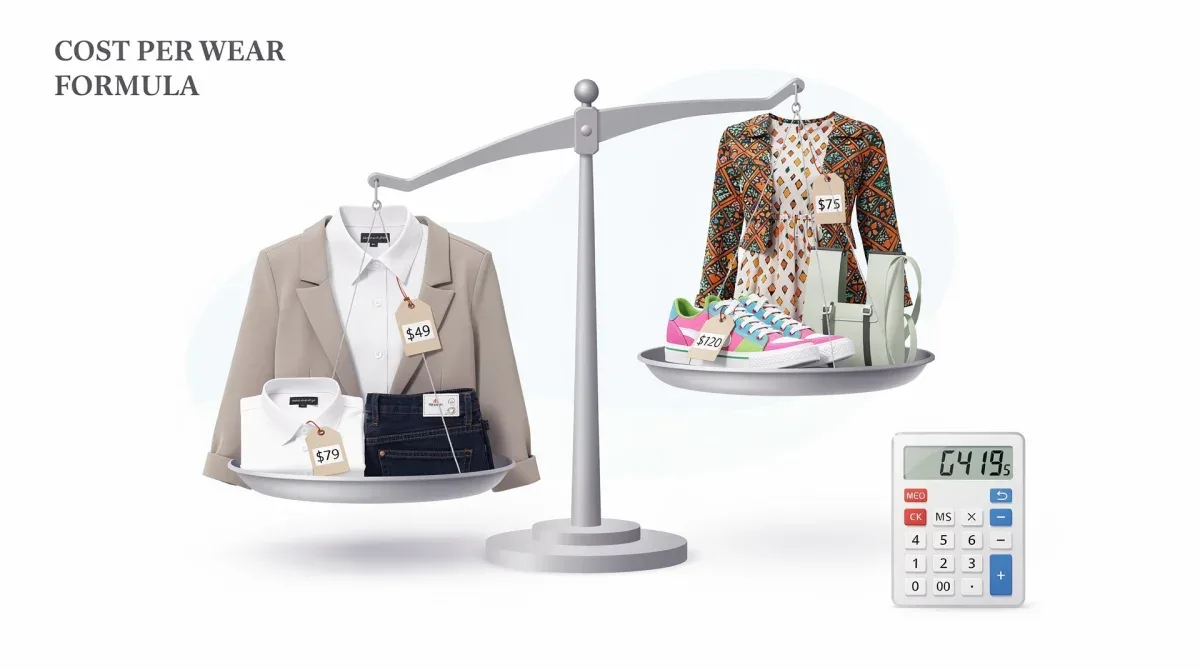
Before making a purchase, pause and consider the item's potential CPW. Ask yourself not just 'Can I afford this?' but 'Will I wear this enough to make it a worthwhile investment?' This simple question can prevent many impulsive purchases that ultimately contribute to wardrobe clutter and financial drain. It encourages a more mindful interaction with fashion.
Strategies for smart purchasing decisions
To effectively apply the cost-per-wear formula, adopt these strategies into your shopping routine:
- Think in Outfits: Before buying, visualize at least three different outfits you can create with the new item using existing pieces in your closet.
- Consider Your Lifestyle: Does the item align with your daily activities and needs? A beautiful gown has a high CPW if you rarely attend formal events.
- Assess Quality: Inspect seams, fabric, and construction. Is it built to last, or will it fall apart after a few washes?
- Wait for Sales: If you've identified a high-quality staple, waiting for a sale can significantly lower its initial cost, further reducing its CPW.
- Factor in Care: Consider the cost and effort of maintenance. Dry-clean-only items might have a higher hidden CPW.
These strategies help you make more informed decisions, ensuring that each new garment genuinely adds value to your wardrobe. They transform shopping from a reactive act to a proactive strategy, resulting in a more cohesive and functional collection of clothes. The goal is to maximize the utility and enjoyment derived from every purchase.
By consistently applying these tips, you'll naturally gravitate towards items that offer better value for money. You'll find yourself investing in fewer, but better, pieces that stand the test of time and trends. This not only saves you money in the long run but also simplifies your daily routine by providing a wardrobe full of reliable, go-to options.
The environmental impact of conscious consumption
Beyond the personal financial benefits, adopting the wardrobe cost-per-wear formula has a profound positive impact on the environment. The fashion industry is notoriously resource-intensive and a significant contributor to pollution and waste. By choosing to invest in fewer, higher-quality items and wearing them more often, you actively participate in a more sustainable consumption model.
Fast fashion's business model relies on rapid production cycles, cheap materials, and planned obsolescence, encouraging consumers to buy more and discard quickly. This results in enormous textile waste, excessive water usage, chemical pollution from dyes, and a large carbon footprint from manufacturing and transportation. The CPW approach directly counters this destructive cycle.
Reducing waste and promoting ethical practices
When you buy a durable item and wear it hundreds of times, you are effectively reducing your demand for new clothing. This, in turn, lessens the pressure on manufacturers to produce more, diminishing the environmental strain. Moreover, higher-quality items are often produced by brands that adhere to more ethical labor and environmental standards, further amplifying your positive impact.
- Less Textile Waste: Longer-lasting garments mean fewer items end up in landfills.
- Reduced Resource Consumption: Fewer new clothes require less water, energy, and raw materials.
- Lower Carbon Footprint: Less manufacturing and transportation contribute to reduced emissions.
- Support for Ethical Brands: High-quality items often come from companies with better supply chain practices.
Embracing the cost-per-wear philosophy extends the life cycle of clothing, transforming each purchase into a long-term resource rather than a disposable commodity. This shift not only benefits your wallet but also aligns with a growing global consciousness about sustainability and responsible living. It's a tangible way to make a difference through your everyday choices.
Ultimately, conscious consumption is a powerful tool for environmental stewardship. By making thoughtful decisions about what you buy and how long you keep it, you contribute to a healthier planet and a more equitable fashion industry. The cost-per-wear formula is not just about saving money; it's about investing in a better future for everyone.
Building a versatile and timeless capsule wardrobe
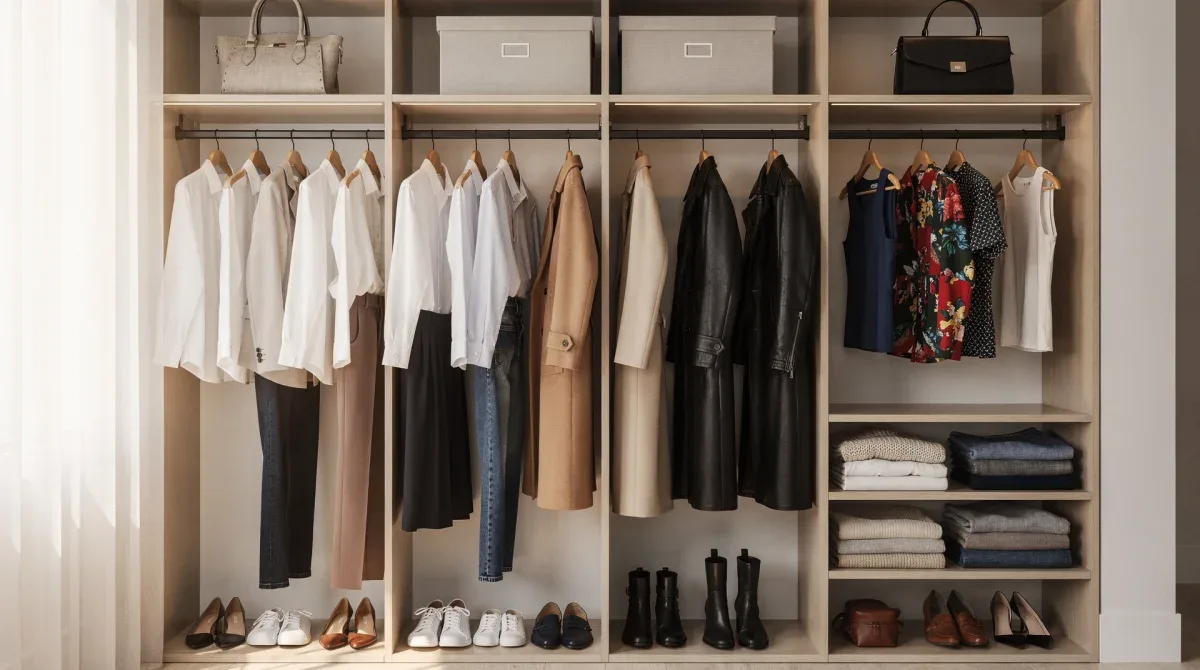
The cost-per-wear formula naturally leads to the concept of a capsule wardrobe – a curated collection of essential, versatile items that can be mixed and matched to create numerous outfits. This approach emphasizes quality over quantity, focusing on pieces that are timeless, durable, and perfectly suited to your personal style and lifestyle. Building such a wardrobe is a liberating experience.
A well-constructed capsule wardrobe eliminates decision fatigue, reduces clutter, and ensures that every item you own is loved and frequently worn. It’s about intentionality: every piece has a purpose and contributes to a cohesive aesthetic. This stands in stark contrast to a closet overflowing with unused items that represent wasted money and resources.
Steps to creating your ideal capsule wardrobe
Crafting a capsule wardrobe is a journey that involves self-reflection and strategic planning:
- Define Your Style: Understand what colors, silhouettes, and aesthetics genuinely resonate with you and make you feel confident.
- Assess Your Lifestyle: How much of your time is spent at work, leisure, or special events? Your wardrobe should reflect this balance.
- Declutter Ruthlessly: Remove anything that doesn't fit, isn't worn, or doesn't make you feel good. Be honest about actual usage.
- Identify Gaps: Once you know what you have, pinpoint missing essential pieces that would enhance versatility.
- Invest Wisely: When adding new items, apply the cost-per-wear formula, prioritizing quality, versatility, and timelessness.
The beauty of a capsule wardrobe lies in its adaptability. While it focuses on core staples, it doesn't mean sacrificing individuality. You can inject personality through accessories, seasonal items, or a few carefully chosen trendy pieces that still adhere to a reasonable cost-per-wear. The goal is a wardrobe that works for you, not against you.
By embracing this minimalist yet powerful approach, you'll discover the joy of effortless dressing and the satisfaction of a wardrobe that truly reflects your values. It’s a testament to the idea that less can indeed be more, especially when each item is a thoughtful, high-value investment that stands the test of time and trends.
The psychological benefits of mindful wardrobe management
Beyond the tangible financial and environmental advantages, adopting the wardrobe cost-per-wear formula and a mindful approach to clothing brings significant psychological benefits. This shift in perspective can reduce stress, enhance self-confidence, and foster a greater sense of control over personal consumption habits.
Cluttered closets and impulsive purchases often lead to feelings of overwhelm, guilt, and dissatisfaction. When every item in your wardrobe is a result of a thoughtful decision, you experience a sense of peace and pride. This intentionality translates into a more harmonious relationship with your belongings and a clearer understanding of your personal values.
Enhanced confidence and reduced decision fatigue
A well-curated wardrobe built on high-value, versatile pieces simplifies daily dressing. When every item fits well, is high quality, and can be easily mixed and matched, the stress of choosing an outfit diminishes significantly. This reduction in decision fatigue frees up mental energy for more important aspects of your life.
- Reduced Stress: Less clutter and fewer poor choices lead to a calmer mind.
- Increased Confidence: Wearing well-fitting, quality clothes enhances self-esteem.
- Clarity of Style: A focused wardrobe helps you define and express your authentic self.
- Financial Peace of Mind: Knowing you're making smart investments alleviates money worries.
- Greater Control: Mindful consumption fosters a sense of agency over your possessions.
Furthermore, investing in quality pieces that you truly love and wear often fosters a deeper appreciation for your belongings. This moves away from the disposable mentality prevalent in fast fashion and encourages a more respectful relationship with your clothes. You care for them better, extending their life even further and reinforcing their value.
In essence, mindful wardrobe management is a form of self-care. It's about creating an environment that supports your well-being, both internally and externally. By applying the cost-per-wear formula, you're not just managing clothes; you're cultivating a lifestyle of intentionality, confidence, and lasting satisfaction.
| Key Concept | Brief Description |
|---|---|
| Cost-Per-Wear (CPW) | Calculates true item value by dividing price by number of uses, promoting smart investments. |
| Outerwear Staple Savings | A $200 quality coat can save 40% long-term compared to cheaper, less durable alternatives. |
| High-Value Staples | Focus on versatile, durable, and timeless pieces for a functional and economical wardrobe. |
| Environmental Impact | Conscious consumption reduces textile waste and supports ethical, sustainable practices. |
Frequently asked questions about cost-per-wear
What is the wardrobe cost-per-wear formula and how does it work?▼The cost-per-wear (CPW) formula is calculated by dividing an item's purchase price by the number of times you wear it. For example, a $100 dress worn 10 times has a CPW of $10. It helps consumers understand the true value of their clothing investments over time.
How can investing in a $200 outerwear staple save money long-term?▼A $200 high-quality outerwear piece, worn frequently over many years, will have a much lower CPW than several cheaper, less durable alternatives that need frequent replacement. This long-term durability and versatility lead to significant savings, potentially 40% or more, by reducing the need for new purchases.
What are the key characteristics of high-value wardrobe staples?▼High-value wardrobe staples are versatile, durable, timeless, comfortable, and fit well. They can be mixed and matched across various outfits and occasions, made from quality materials that withstand frequent use, and maintain their style appeal over many seasons, ensuring a low CPW.
Does the cost-per-wear formula apply to all types of clothing?▼While most effective for frequently worn items like outerwear, everyday essentials, and versatile pieces, the CPW formula can be applied to all clothing. It helps highlight that even special occasion wear might be a good investment if its intrinsic value or sentimental importance justifies its infrequent use.
How does applying CPW contribute to sustainable fashion?▼By encouraging investment in durable, long-lasting items and reducing impulsive purchases, CPW directly combats fast fashion's wastefulness. It extends clothing lifecycles, minimizes textile waste in landfills, reduces demand for new production, and lessens the environmental footprint associated with manufacturing and transportation.
Conclusion
Embracing the wardrobe cost-per-wear formula is more than just a financial strategy; it's a holistic approach to building a more intentional, sustainable, and satisfying relationship with your personal style. By shifting your focus from initial price to long-term value, you unlock significant savings, reduce environmental impact, and curate a wardrobe that truly reflects your needs and values. Investing thoughtfully in high-quality, versatile pieces, such as a $200 outerwear staple, proves to be a wise decision that not only saves money but also elevates your daily experience and contributes to a more conscious lifestyle.