USPS Implements 3-Cent Stamp Price Increase Alongside New Rural Delivery Standards
Advertisements

The latest developments on the USPS Implements 3-Cent Stamp Price Increase Alongside New Rural Delivery Standards are shaping today’s agenda with new details released by officials and industry sources. This update prioritizes what changed, why it matters and what to watch next, in a straightforward news format.
The United States Postal Service (USPS) has officially announced that it USPS Implements 3-Cent Stamp Price Increase Alongside New Rural Delivery Standards, a move set to impact millions of Americans. This significant adjustment reflects ongoing efforts to stabilize the postal service's financial footing and adapt to evolving operational challenges.
This article delves into the specifics of these changes, providing crucial information on what consumers and businesses need to know. We will explore the reasons behind the price hike, the nature of the new rural delivery standards, and the broader implications for mail service across the nation.
Understanding the Recent USPS Price Adjustments
The decision by the USPS to implement a 3-cent stamp price increase is a direct response to persistent financial pressures and rising operating costs. This adjustment aims to generate necessary revenue to support the vast postal network and ensure continued service.
Officials have cited inflation, increased transportation expenses, and a decline in mail volume as primary factors necessitating these changes. The goal is to maintain the reliability and accessibility of mail service for all citizens, especially in underserved areas.
This price hike, while seemingly small, adds up across billions of pieces of mail processed annually, providing a substantial boost to the USPS's operational budget. It is part of a larger strategic plan to achieve financial self-sufficiency.
Reasons Behind the 3-Cent Increase
The USPS operates under a unique mandate, requiring it to be self-sufficient while providing universal service. The 3-cent increase is designed to help bridge the gap between revenue and expenditures, which has widened due to various economic factors.
Rising fuel costs, labor expenses, and investments in new technologies to modernize the postal system all contribute to the need for additional funding. Without these adjustments, the USPS faces challenges in maintaining its extensive infrastructure and workforce.
The Postal Regulatory Commission (PRC) has approved these changes after careful review, acknowledging the financial realities confronting the postal service. This oversight ensures that price adjustments are justified and necessary for long-term viability.
Impact on First-Class Mail and Beyond
The 3-cent increase primarily affects First-Class Mail Forever stamps, raising their price from the previous rate. This change will also likely influence other mail categories, including postcards and metered mail, with corresponding adjustments.
Consumers should anticipate updated pricing across all postal products and services, necessitating a review of budgeting for mailing needs. Businesses, particularly those relying heavily on direct mail, will need to factor these new costs into their operational models.
The overall impact on the average consumer may seem minor on a per-stamp basis, but for frequent mail users or large organizations, the cumulative effect can be significant. The USPS Implements 3-Cent Stamp Price Increase Alongside New Rural Delivery Standards is a broad change.
New Rural Delivery Standards Explained
Alongside the stamp price increase, the USPS Implements 3-Cent Stamp Price Increase Alongside New Rural Delivery Standards to optimize efficiency and service in less densely populated regions. These standards are designed to address the unique logistical challenges of serving rural communities.
The new standards may involve changes to delivery frequency, route optimization, and resource allocation to ensure sustainable service. The USPS aims to balance cost-effectiveness with its commitment to providing reliable mail delivery to every address.
These adjustments are not intended to diminish service quality but rather to enhance it by making rural delivery more efficient and sustainable in the long run. Feedback from rural communities and postal workers has been considered in developing these new approaches.
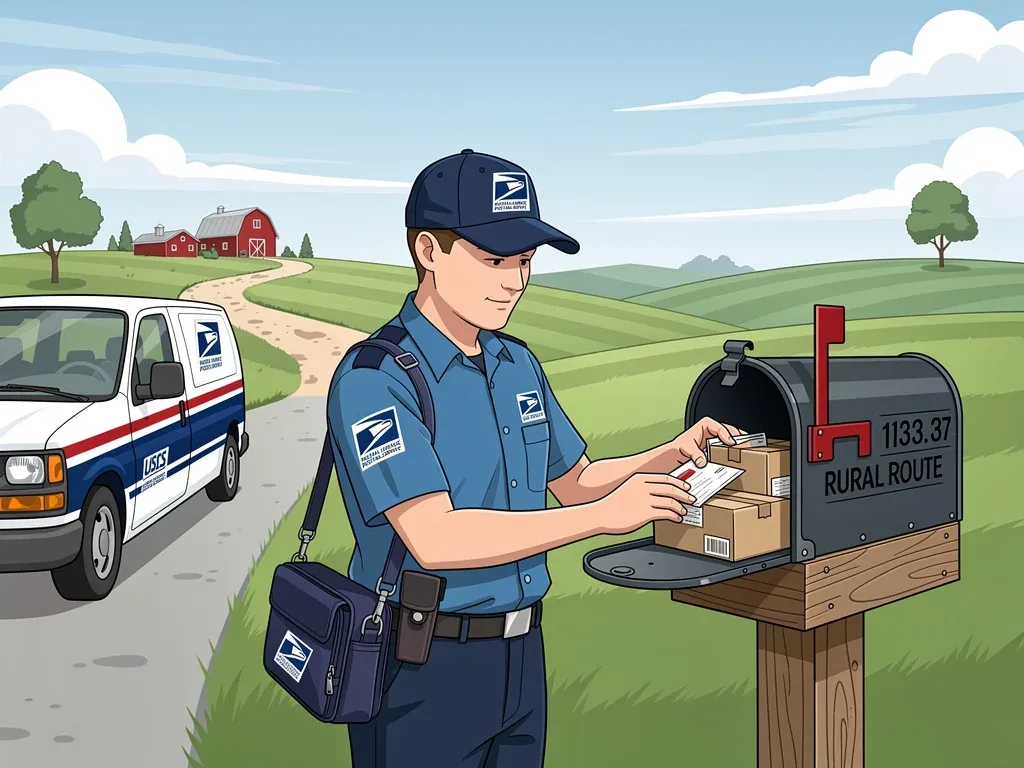
The new rural delivery standards are a critical component of the USPS's broader strategy to modernize its operations. They acknowledge that urban and rural delivery environments have distinct needs and require tailored solutions for optimal service.
Specifics of Rural Route Optimization
Rural route optimization involves using advanced data analytics and mapping technologies to create more efficient delivery paths. This can reduce fuel consumption, vehicle wear and tear, and overall operational costs for the USPS.
Changes might include consolidating routes, adjusting delivery times, or implementing new technologies to assist carriers. The ultimate goal is to ensure that mail reaches rural customers reliably, even as the USPS navigates a challenging economic landscape.
These efforts are part of a multi-year plan by the USPS to improve its financial health and operational performance across all service areas. The USPS Implements 3-Cent Stamp Price Increase Alongside New Rural Delivery Standards to better serve these communities.
Impact on Rural Residents and Businesses
For rural residents, the new standards could mean minor adjustments to their mail receipt times or delivery schedules. The USPS emphasizes that core mail services will remain intact, with a focus on consistency and dependability.
Rural businesses that depend on timely mail for invoices, shipments, or customer communications will need to stay informed about any localized changes. Proactive communication from the USPS will be crucial to help these entities adapt seamlessly.
The USPS is committed to engaging with rural communities to address concerns and provide clear information regarding these new standards. The objective is to implement changes with minimal disruption while achieving long-term sustainability.
Financial Implications for the USPS
The 3-cent stamp price increase is projected to generate significant additional revenue for the USPS, directly contributing to its financial stability. This revenue is vital for covering operational expenses, investing in infrastructure, and supporting employee benefits.
For years, the USPS has faced financial deficits, largely due to declining mail volume and a congressional mandate to pre-fund retiree health benefits. These price adjustments are a step towards mitigating these long-standing financial burdens.
The new rural delivery standards also contribute to financial health by reducing inefficiencies and optimizing resource use in high-cost delivery areas. Combined, these initiatives are expected to improve the USPS's overall fiscal outlook.
Budgetary Needs and Revenue Generation
The USPS’s annual budget is substantial, covering everything from letter carrier salaries and postal facility maintenance to vehicle fleets and technological upgrades. Generating sufficient revenue is paramount to sustaining these operations.
The price increase is a targeted measure to boost revenue without overly burdening customers, as a 3-cent increment is relatively modest. It represents a strategic balance between affordability for users and financial solvency for the service.
Revenue generated from the stamp price increase will also support ongoing investments in package delivery, a growing segment for the USPS. This diversification is key to its future success and relevance in a changing postal landscape.
Long-Term Financial Sustainability Goals
The USPS aims for long-term financial sustainability, moving away from reliance on government subsidies and towards self-sufficiency. The current price adjustments and operational changes are integral to achieving this ambitious goal.
By optimizing delivery networks and adjusting pricing to reflect actual costs, the USPS seeks to create a more resilient and efficient organization. This strategic direction is crucial for ensuring the postal service remains a vital national asset for decades to come.
The USPS Implements 3-Cent Stamp Price Increase Alongside New Rural Delivery Standards is a concerted effort to secure a stable financial future, allowing the service to continue its universal delivery mission effectively. This is not a standalone action, but part of a larger transformation.
Historical Context of USPS Price Changes
The USPS has a long history of adjusting stamp prices to reflect economic conditions and operational needs. These changes are not arbitrary but are typically a response to inflation, rising costs, and legislative mandates.
Examining past price increases provides context for the current 3-cent adjustment, showing a pattern of incremental changes over time. Each adjustment is carefully considered to minimize impact on consumers while ensuring the USPS's ability to operate.
The current changes, including the USPS Implements 3-Cent Stamp Price Increase Alongside New Rural Delivery Standards, fit within this historical framework of the postal service adapting to its environment. They are necessary for the USPS to continue serving the nation.
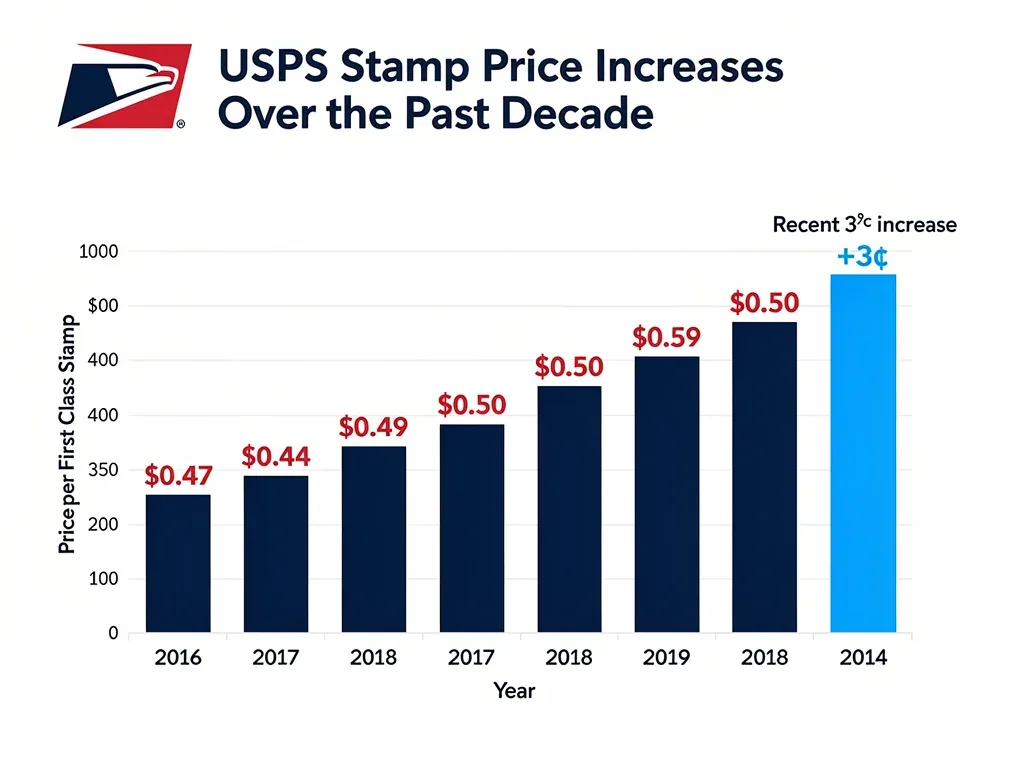
Historically, stamp price increases have been a necessary tool for the USPS to manage its finances. These adjustments often coincide with periods of economic inflation or significant operational overhauls.
Previous Price Hikes and Their Rationale
In recent decades, stamp prices have seen gradual increases, often by 1 or 2 cents at a time. These smaller adjustments are designed to keep pace with inflation and cover rising costs without sudden, large shocks to the system.
The rationale for previous hikes has always centered on maintaining universal service and financial solvency. Each increase undergoes scrutiny by the Postal Regulatory Commission, ensuring transparency and accountability.
The current 3-cent increase is consistent with this historical trend, reflecting a measured approach to addressing the USPS's financial challenges. It is a continuation of a long-standing practice.
How the USPS Determines Price Adjustments
The process for determining stamp price adjustments is complex, involving economic analysis, operational data, and regulatory review. The USPS submits proposals to the Postal Regulatory Commission (PRC) for approval.
The PRC evaluates factors such as inflation, market conditions, and the USPS's financial health before authorizing any price changes. This independent oversight ensures that adjustments are fair and necessary.
The USPS Implements 3-Cent Stamp Price Increase Alongside New Rural Delivery Standards after a thorough review process. This ensures that the changes are justified and align with the long-term strategic goals of the postal service.
Consumer and Business Preparedness
Both individual consumers and businesses need to be aware of the upcoming changes to postal rates and delivery standards. Proactive preparation can help mitigate any potential disruptions or unexpected costs.
For consumers, this means stocking up on Forever stamps at the current rate if desired, or simply being aware of the new prices when purchasing stamps. Understanding the new rural delivery standards is also key for those in affected areas.
Businesses, especially those with high mail volumes, should update their postage meters and shipping software to reflect the new rates. Adjusting budgets and communication strategies will ensure a smooth transition as the USPS Implements 3-Cent Stamp Price Increase Alongside New Rural Delivery Standards.
Staying informed and adapting to these changes is crucial for everyone who relies on the postal service. The USPS typically provides ample notice, allowing time for adjustments to be made.
Tips for Consumers to Adapt
Consumers can prepare by purchasing Forever stamps before the new rates take effect, as these stamps will always be valid for First-Class Mail regardless of future price increases. This offers a way to lock in current rates.
For those in rural areas, monitoring local USPS announcements regarding specific changes to delivery schedules or methods is advisable. Signing up for USPS email updates can provide timely information.
Using online postal services for calculating postage and printing labels can also help consumers easily adapt to the new rates without manual calculations. The USPS Implements 3-Cent Stamp Price Increase Alongside New Rural Delivery Standards, so being prepared is essential.
Strategies for Businesses to Manage Costs
Businesses should conduct an audit of their mailing practices to identify areas where costs can be optimized. This might include transitioning to digital communications where appropriate or exploring bulk mail discounts.
Updating postage systems promptly is critical to avoid underpaying postage, which can lead to mail delays or returned items. Training staff on the new rates and standards will also prevent errors.
For businesses heavily reliant on rural delivery, understanding the new standards and communicating with local post offices can help manage expectations and logistics. The USPS Implements 3-Cent Stamp Price Increase Alongside New Rural Delivery Standards, requiring careful planning.
Future Outlook for USPS Services
The changes implemented by the USPS, including the stamp price increase and new rural delivery standards, are part of a larger vision for the future of postal services. These efforts are aimed at creating a more agile, financially sound, and technologically advanced organization.
The USPS is continually exploring innovations in mail processing, package delivery, and customer service to remain competitive and relevant in the digital age. These adjustments are foundational to those long-term goals.
The focus remains on providing reliable and affordable universal postal service, a cornerstone of American infrastructure. The USPS Implements 3-Cent Stamp Price Increase Alongside New Rural Delivery Standards to secure this future.
The future of the USPS involves adapting to changing consumer behaviors, such as the rise of e-commerce and the decline of traditional mail. These strategic adjustments are vital for its continued success.
Technological Advancements and Modernization
The USPS is investing in new technologies to automate mail sorting, enhance package tracking, and improve delivery efficiency. These advancements are crucial for reducing operational costs and speeding up service.
Modernization efforts include upgrading facilities, deploying new delivery vehicles, and developing digital tools for customers. These initiatives aim to make the USPS more efficient and responsive to current demands.
The revenue generated from the stamp price increase will partly fund these essential technological upgrades, ensuring the USPS can meet future challenges. The USPS Implements 3-Cent Stamp Price Increase Alongside New Rural Delivery Standards to support this modernization.
Balancing Universal Service with Financial Health
One of the USPS's greatest challenges is balancing its mandate for universal service with the need for financial solvency. Every American, regardless of location, is entitled to postal service, often at a loss for the USPS in remote areas.
The new rural delivery standards are an attempt to make this universal service more financially viable by optimizing operations in these challenging environments. The price increase supports the overall infrastructure required for this extensive network.
These strategic moves demonstrate the USPS's commitment to its mission while striving for financial independence. The USPS Implements 3-Cent Stamp Price Increase Alongside New Rural Delivery Standards as a key step in this delicate balancing act.
Addressing Public Concerns and Feedback
Any significant change by a public service like the USPS inevitably generates public discussion and feedback. The USPS is aware of these concerns and typically provides channels for customers to voice their opinions.
Transparency in communicating the reasons behind price increases and changes to delivery standards is crucial for maintaining public trust. The USPS often issues official statements and FAQs to address common questions.
It is important for the public to understand that these changes, including when the USPS Implements 3-Cent Stamp Price Increase Alongside New Rural Delivery Standards, are made with the goal of preserving a vital national service. Feedback helps shape future decisions.
The USPS strives to be responsive to public sentiment while making decisions that ensure its long-term viability. Open communication is a key part of this process.
Official Communication Channels
The USPS utilizes various official channels to communicate updates, including its website, press releases, and local post office notices. These sources provide the most accurate and up-to-date information.
Customers can also contact USPS customer service for specific inquiries or concerns related to the price increase or rural delivery standards. Engaging with these official channels ensures reliable information.
The USPS Implements 3-Cent Stamp Price Increase Alongside New Rural Delivery Standards with detailed announcements available through these official avenues. Staying connected through these channels is highly recommended.
Impact on Customer Satisfaction
While price increases can sometimes lead to initial dissatisfaction, the USPS aims to demonstrate that these changes are necessary for maintaining and improving service quality. Long-term customer satisfaction hinges on reliable and efficient mail delivery.
The new rural delivery standards, by optimizing routes and resources, are intended to enhance the consistency of service in these areas, potentially leading to improved satisfaction over time. These adjustments are about long-term gain.
The USPS continuously monitors customer feedback and service performance to ensure that these changes ultimately benefit the public. The USPS Implements 3-Cent Stamp Price Increase Alongside New Rural Delivery Standards with this goal in mind.
| Key Change | Brief Description |
|---|---|
| Stamp Price Increase | First-Class Mail Forever stamp price increased by 3 cents to address rising costs. |
| Rural Delivery Standards | New operational standards for rural routes to enhance efficiency and sustainability. |
| Financial Stability | Measures designed to improve USPS's financial health and reduce operational deficits. |
| Consumer Impact | Customers and businesses need to adapt to new postage rates and potential delivery adjustments. |
Frequently Asked Questions About USPS Changes
What is the new price for a First-Class Mail Forever stamp?▼The price for a First-Class Mail Forever stamp has increased by 3 cents. This adjustment is part of the USPS's ongoing efforts to cover operational costs and maintain universal service across the United States. Consumers should check the official USPS website for the most current exact price.
Why did the USPS implement a 3-cent stamp price increase?▼The USPS implemented the 3-cent increase to address rising inflation, increased transportation expenses, and declining mail volume. This revenue is crucial for maintaining the postal service's extensive network, covering labor costs, and investing in necessary modernization efforts to ensure long-term financial stability.
What are the new rural delivery standards?▼The new rural delivery standards involve optimizing routes, adjusting delivery frequencies, and allocating resources more efficiently in less densely populated areas. These changes aim to make rural mail delivery more sustainable and cost-effective while ensuring consistent and reliable service for residents and businesses in these regions.
How will these changes affect businesses?▼Businesses, especially those with high mail volumes, will need to update their postage systems and budget for the new rates. Those in rural areas should monitor specific delivery adjustments. Adapting to these changes proactively can help businesses manage costs and maintain smooth communication with their customers and partners.
When did the USPS Implements 3-Cent Stamp Price Increase Alongside New Rural Delivery Standards?▼The specific effective date for the 3-cent stamp price increase and new rural delivery standards was recently announced. It is crucial for consumers and businesses to consult the official United States Postal Service website or local post office for the precise implementation date and any further details regarding these changes.
Impact and Implications
The decision by the USPS to implement a 3-cent stamp price increase alongside new rural delivery standards marks a pivotal moment for the nation's postal service. These changes underscore a determined effort to stabilize finances and adapt to modern demands. It is essential for all stakeholders to understand the underlying reasons and prepare for the adjustments. The long-term success of these initiatives will depend on their effective implementation and the continued commitment to universal service, ensuring mail remains accessible and reliable across the country.