USDA Section 504 Grant Guide: Emergency Home Repair Benefits 2026
Advertisements
The USDA Section 504 Grant program offers up to $10,000 for very low-income homeowners in rural areas to repair or improve their homes, ensuring safety and habitability by addressing health and safety hazards for 2026.
Navigating financial assistance for home repairs can often feel overwhelming, but for eligible homeowners, the USDA Section 504 Grant offers a vital lifeline. This comprehensive guide will illuminate how you can access up to $10,000 in emergency home repair benefits for 2026, helping you ensure your home remains safe and sound.
Understanding the USDA Section 504 Grant Program
The United States Department of Agriculture (USDA) Rural Development administers a suite of programs aimed at improving the quality of life in rural America. Among these, the Section 504 Home Repair program stands out, specifically designed to assist very low-income homeowners who cannot obtain affordable credit elsewhere to repair or modernize their homes. It also helps elderly very low-income homeowners remove health and safety hazards.
This program is crucial for maintaining the habitability and safety of homes in rural communities, preventing displacement, and improving living conditions for some of the nation's most vulnerable populations. Understanding its core mission and structure is the first step toward leveraging its benefits for your property.
Who is the USDA Section 504 Grant for?
The grant component of the Section 504 program is specifically targeted at elderly, very low-income homeowners. It's not a universal program, but rather a focused initiative to address critical needs where other financial avenues are inaccessible. Eligibility hinges on several factors, including age, income, and property location.
- Age Requirement: Applicants must be 62 years of age or older. This age threshold is a defining characteristic of the grant portion, distinguishing it from the loan component of the Section 504 program, which has broader age eligibility.
- Income Threshold: Household income must fall within the 'very low income' limits for the area. These limits are set annually by the USDA and vary by county and family size, reflecting the diverse economic landscapes across rural America.
- Property Ownership and Occupancy: The applicant must own and occupy the home as their primary residence. This ensures that the benefits directly support the homeowner's living situation and address issues within their personal dwelling.
- Inability to Obtain Credit: A fundamental criterion is the inability to obtain affordable credit from other sources to finance the necessary repairs. This underscores the program's role as a last-resort option for those facing significant financial barriers.
In conclusion, the USDA Section 504 Grant is a highly specialized program for a specific demographic, ensuring that those most in need receive the necessary support to maintain safe and healthy living environments in their homes.
Eligibility Criteria for 2026: What You Need to Know
To successfully apply for the USDA Section 504 Grant in 2026, a thorough understanding of the eligibility criteria is paramount. These criteria are designed to ensure that the assistance reaches those who genuinely need it most, focusing on very low-income elderly homeowners in eligible rural areas. Meeting these requirements is the foundation of a successful application.
The USDA regularly updates its guidelines, and while the core principles remain consistent, it's always wise to check the most current information as the application period for 2026 approaches. However, the fundamental pillars of eligibility—age, income, location, and need—are unlikely to change drastically.
Income and Geographic Requirements
Income eligibility is determined by comparing your household’s adjusted gross income to the 'very low income' limits established for your specific county. These limits are typically 50% of the area median income. The USDA provides a helpful eligibility website where you can input your location and family size to check the current income limits for your area.
- Very Low Income: Your household income must not exceed the specified 'very low income' threshold for your county and family size. This ensures the grant targets those with the most significant financial constraints.
- Rural Area Definition: The property must be located in an eligible rural area. Generally, rural areas are defined as open country and towns, villages, and places with populations of 10,000 or less, and under certain conditions, towns with populations between 10,000 and 35,000. It's crucial to verify your property's eligibility using the USDA's property eligibility tool.
Beyond income and location, the specific nature of the home repair also plays a role. The grant is primarily for repairs that address health and safety hazards, making a home safe, sanitary, and accessible. This could include fixing leaky roofs, repairing unsafe plumbing, or making accessibility modifications for elderly residents.
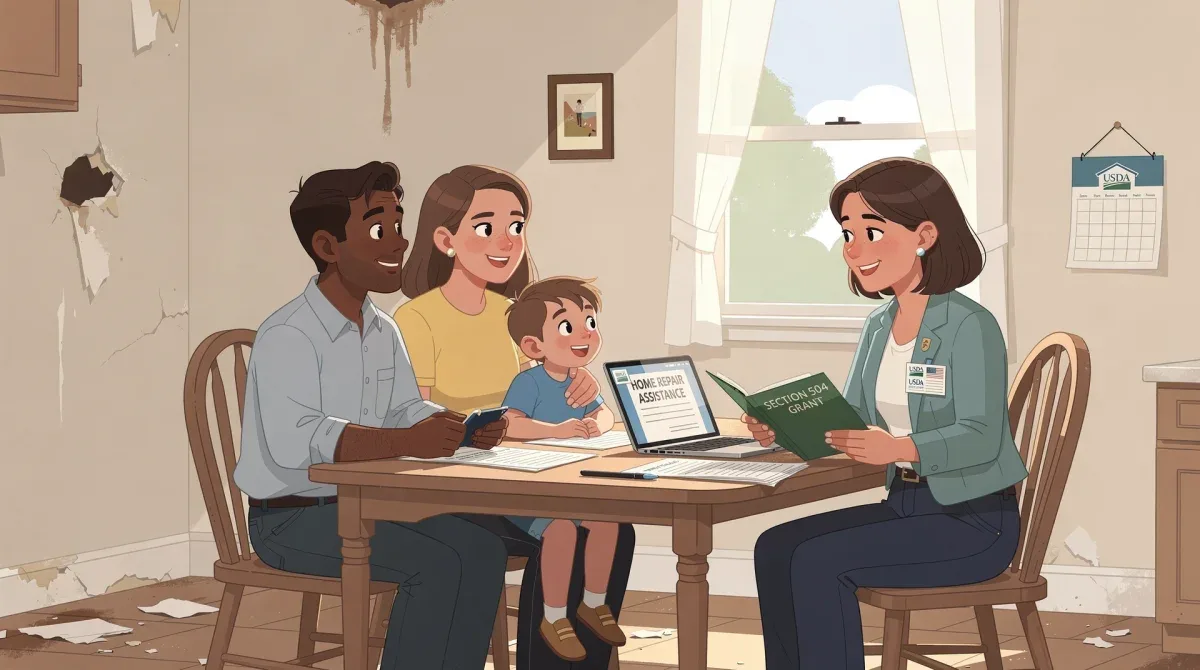

To conclude, understanding and meticulously verifying each eligibility criterion is a critical step. The USDA's resources, including their income and property eligibility lookup tools, are invaluable for this process, ensuring you meet all prerequisites before embarking on the application journey.
Applying for the Grant: Step-by-Step Guide for 2026
Once you’ve confirmed your eligibility for the USDA Section 504 Grant, the next phase is the application process. While it may seem daunting, breaking it down into manageable steps can simplify the journey. The goal is to submit a complete and accurate application that clearly demonstrates your need and eligibility.
The application process for 2026 will largely mirror previous years, focusing on documentation of income, property, and the nature of the repairs needed. Proactive preparation and attention to detail will significantly improve your chances of a successful outcome.
Required Documentation and Application Submission
Gathering the necessary documents is often the most time-consuming part of the application. Having these ready before you begin filling out forms will streamline the process. You will generally need to provide proof of income, age, property ownership, and details about the needed repairs.
- Proof of Income: This typically includes tax returns, Social Security statements, pension statements, and any other documentation of household income for all adult members.
- Proof of Age: A government-issued ID, such as a driver's license or birth certificate, will suffice to verify the applicant is 62 years or older.
- Property Ownership: Deeds, property tax statements, or other legal documents proving you own and occupy the home.
- Description of Repairs: Detailed descriptions, and potentially estimates, of the health and safety hazards that need to be addressed. Photos can be very helpful here.
After compiling your documents, you will need to complete the official application forms provided by the USDA Rural Development office. These forms can usually be obtained from your local USDA Rural Development office or downloaded from their website. It is advisable to contact your local office directly, as they can provide personalized guidance and ensure you have the most current forms and local-specific requirements.

Upon completion, submit your application package to your local USDA Rural Development office. They will review your application for completeness and eligibility. Be prepared for potential follow-up questions or requests for additional information. The review process can take some time, so patience is key.
In summary, a meticulous approach to gathering documents and a clear understanding of the application forms are essential. Engaging with your local USDA office can provide invaluable support throughout this critical phase.
Types of Repairs Covered by the Grant
The USDA Section 504 Grant is specifically designed to address critical health and safety hazards within the home. It is not intended for cosmetic upgrades or general renovations that do not directly impact the habitability or safety of the residence. Understanding the scope of covered repairs is vital for applicants to accurately assess their needs and present them within the program's guidelines.
The focus is always on making the home a safer, more sanitary, and more accessible place to live, particularly for elderly residents. This can encompass a wide range of issues, from structural deficiencies to essential system failures.
Prioritizing Health and Safety Hazards
The grant prioritizes repairs that directly eliminate health and safety risks. This includes issues that could cause injury, illness, or make the home uninhabitable. Examples often include serious structural problems, failing utility systems, and conditions that violate local housing codes.
- Structural Repairs: Addressing issues with foundations, roofs, walls, and floors that pose a risk to the home's integrity or the occupants' safety. This could involve fixing severe leaks, sagging floors, or unstable walls.
- Essential System Failures: Repairing or replacing malfunctioning plumbing, electrical, or heating systems that are unsafe or prevent the home from being sanitary and habitable. For instance, a broken furnace in winter or faulty wiring.
- Accessibility Modifications: Making necessary modifications to improve accessibility for elderly residents or those with disabilities. This might include installing ramps, widening doorways, or modifying bathrooms for easier use.
- Pest Infestation Remediation: Addressing severe pest infestations that pose significant health risks and compromise the home's sanitary conditions.
It is important to note that while the grant covers essential repairs, it typically does not extend to luxury items, landscaping, or additions that do not resolve a health or safety issue. The program's intent is to provide basic, necessary improvements to ensure a safe living environment.
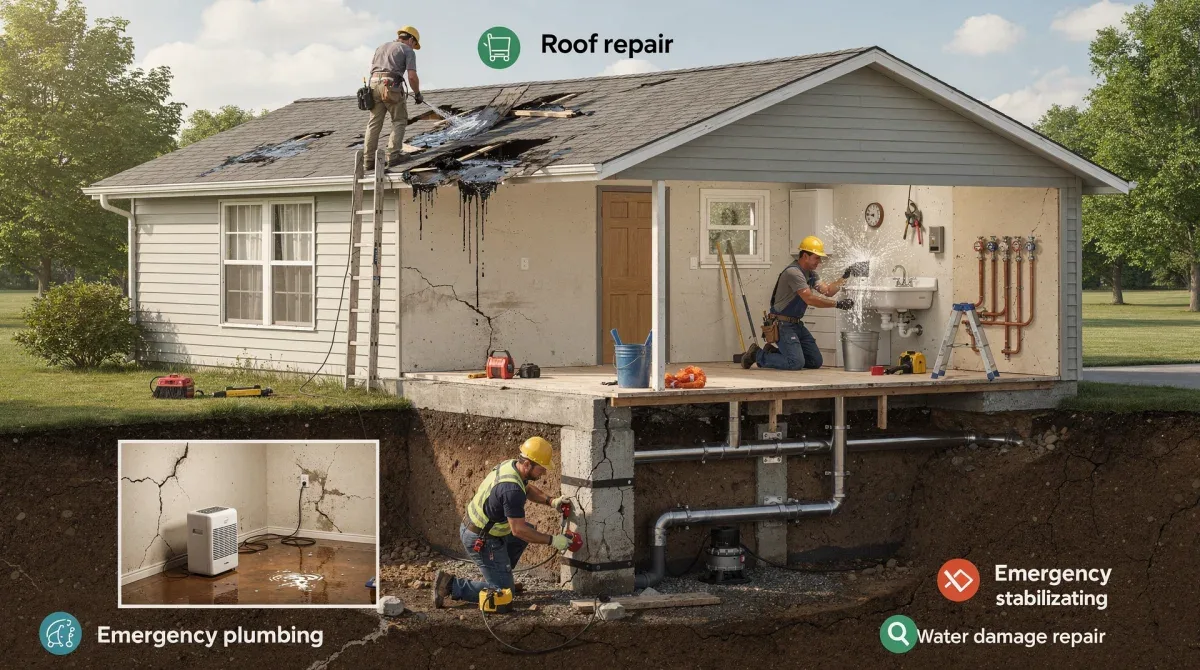

In conclusion, focus on identifying and documenting the health and safety hazards in your home. Clearly articulating how the requested repairs will mitigate these risks is crucial for a successful grant application.
Maximizing Your Chances for a Successful Application
Securing a USDA Section 504 Grant can be a competitive process, given the limited funding and high demand. Therefore, it’s essential to approach your application strategically, ensuring every detail is accurate, complete, and compelling. Beyond meeting the basic eligibility, certain practices can significantly enhance your application's appeal and increase your likelihood of approval.
Thinking like a reviewer can help you anticipate potential questions and provide comprehensive answers from the outset. This proactive approach minimizes delays and demonstrates your commitment to the program's objectives.
Tips for a Strong Application
A strong application isn't just about ticking boxes; it's about presenting a clear, coherent narrative of your situation and needs. This involves meticulous organization, clear communication, and a willingness to seek assistance when needed.
- Be Thorough and Accurate: Double-check all information and documentation for accuracy. Any discrepancies or missing information can lead to delays or rejection. Ensure all forms are filled out completely and legibly.
- Provide Clear Documentation of Need: Clearly articulate the specific health and safety hazards in your home. Include photos, contractor estimates, and any professional assessments that support your claims. The more evidence you provide, the stronger your case.
- Communicate Proactively: If you have questions or encounter difficulties, reach out to your local USDA Rural Development office. They are there to help guide applicants through the process and can offer valuable insights.
- Organize Your Materials: Present your application package in a well-organized manner. Use tabs or labels for different sections of documents (e.g., income verification, property ownership, repair estimates) to make it easy for reviewers to navigate.
It is also beneficial to demonstrate that you have explored other financing options and have been unable to secure affordable credit. This reinforces your eligibility under the program's 'inability to obtain credit' criterion. Maintaining open communication with your local USDA representative throughout the process can also prove invaluable, as they can often provide updates on your application status and advise on any further steps.
To summarize, a well-prepared, thoroughly documented, and clearly communicated application is your best asset. Proactive engagement with USDA resources and a diligent approach to detail will set your application apart.
Managing Your Grant Funds and Project Completion
Receiving approval for a USDA Section 504 Grant is a significant achievement, but it's just one step in the journey. The next crucial phase involves managing the grant funds responsibly and ensuring the home repair project is completed according to the program's guidelines. Proper oversight during this stage is essential to avoid complications and successfully utilize the allocated funds.
The USDA has specific procedures for how funds are disbursed and how projects are monitored, designed to ensure accountability and the effective use of taxpayer money. Understanding these procedures will help you navigate the repair process smoothly.
Fund Disbursement and Project Oversight
Grant funds are typically not disbursed as a lump sum directly to the homeowner. Instead, they are often paid directly to contractors as work is completed and inspected. This mechanism is in place to ensure that the funds are used specifically for the approved repairs and that the work meets satisfactory standards.
- Contractor Selection: You will typically need to obtain bids from qualified contractors for the approved repairs. The USDA may have requirements regarding contractor qualifications and may need to approve your chosen contractor.
- Work Inspection: As repairs progress, the USDA or a designated inspector may conduct site visits to verify that the work is being performed according to the approved scope and meets quality standards. Payments to contractors are often contingent upon these inspections.
- Record Keeping: Maintain meticulous records of all communications, contracts, invoices, and payment receipts related to the repair project. This documentation is crucial for accountability and for any potential audits.
- Project Completion and Final Inspection: Once all approved repairs are completed, a final inspection will be conducted to confirm that all health and safety hazards have been addressed and the work is satisfactory. Only after this final approval will the project be considered closed.
It's important to communicate any unforeseen issues or changes to the project scope with your USDA representative immediately. Unauthorized changes or deviations from the approved plan could jeopardize your grant. The USDA's role extends beyond just providing funds; they are partners in ensuring the successful completion of your home repair project.
In essence, diligent project management, clear communication with contractors and the USDA, and thorough record-keeping are vital for the successful completion of your home repairs with the grant funds.
Beyond the Grant: Additional Resources and Future Outlook
While the USDA Section 504 Grant offers substantial relief for emergency home repairs, it's also important to be aware of other potential resources and the broader context of rural housing support. The USDA Rural Development offers a range of programs, and understanding these can provide a more holistic approach to home maintenance and improvement, even beyond the immediate scope of the Section 504 Grant.
Looking ahead to 2026 and beyond, the commitment to supporting rural homeowners remains a priority. Staying informed about program updates and related initiatives can be beneficial for long-term home stability.
Other USDA Rural Development Programs
The Section 504 program also includes a loan component for very low-income homeowners, which can be combined with the grant for those under 62 or for repairs exceeding the grant limit. These loans offer low interest rates and extended repayment periods, making them an affordable option for necessary repairs.
- Section 504 Loans: Available to very low-income homeowners of any age to repair or modernize homes, or to remove health and safety hazards. These loans can be up to $40,000.
- Section 502 Direct Loan Program: Helps low and very low-income individuals or families purchase homes in rural areas. While not for repairs, it supports homeownership, a foundational aspect of rural community development.
- Housing Preservation Grants: Provided to non-profit organizations and public bodies to repair or rehabilitate housing owned by low and very low-income individuals. While not directly for homeowners, these grants support community efforts that can indirectly benefit residents.
Staying connected with your local USDA Rural Development office or their website is the best way to keep abreast of changes, new programs, and funding opportunities. Advocacy groups for rural housing and elder care can also be valuable resources for information and support.
The future outlook for programs like the USDA Section 504 Grant remains positive, reflecting a continued governmental commitment to ensuring safe and affordable housing in rural America. As demographics shift and housing needs evolve, these programs will likely adapt to remain relevant and effective.
In conclusion, while the Section 504 Grant is a powerful tool, exploring the full spectrum of USDA Rural Development programs and staying informed about future developments can provide comprehensive support for your home and community.
| Key Point | Brief Description |
|---|---|
| Grant Amount | Up to $10,000 for emergency home repairs. |
| Eligibility | Elderly (62+), very low-income homeowners in eligible rural areas. |
| Covered Repairs | Health and safety hazards (e.g., roof, plumbing, electrical, accessibility). |
| Application Process | Contact local USDA Rural Development office, submit detailed documentation. |
Frequently Asked Questions About the USDA Section 504 Grant
What is the maximum amount I can receive from the USDA Section 504 Grant?▼Eligible very low-income elderly homeowners can receive up to $10,000 in grant funds. This amount is specifically for emergency home repairs that address health and safety hazards in their primary residence, ensuring the home remains safe and habitable for the occupants.
Who is eligible for the USDA Section 504 Grant?▼To be eligible, applicants must be 62 years or older, have a household income below the 'very low income' limit for their area, own and occupy the home in an eligible rural area, and be unable to obtain affordable credit elsewhere for the repairs. These criteria ensure aid reaches those most in need.
What types of home repairs are covered by the grant?▼The grant covers repairs that address health and safety hazards, making a home safe, sanitary, and accessible. This includes fixing leaky roofs, unsafe plumbing, faulty electrical systems, and making accessibility modifications like ramps. It does not cover cosmetic upgrades or general renovations.
How do I apply for the USDA Section 504 Grant for 2026?▼The application process involves contacting your local USDA Rural Development office to obtain forms and guidance. You will need to provide detailed documentation of your income, age, property ownership, and the specific health and safety hazards requiring repair. Submit your complete application to the local office for review.
Can I combine the Section 504 Grant with other USDA programs?▼Yes, in some cases, the Section 504 Grant can be combined with a Section 504 Loan. The loan component offers up to $40,000 for repairs for very low-income homeowners of any age, allowing for more extensive work than the grant alone. It is best to discuss options with your local USDA office.
Conclusion
The USDA Section 504 Grant program represents a critical resource for elderly, very low-income homeowners in rural America, offering up to $10,000 to address urgent health and safety hazards in their homes. By understanding the eligibility criteria, meticulously preparing your application, and engaging proactively with your local USDA Rural Development office, you can significantly improve your chances of securing these vital benefits for 2026. This guide aims to demystify the process, empowering you to maintain a safe, sanitary, and comfortable living environment, ensuring that your home remains a sanctuary for years to come.