Unlock $8,000 in Savings with Federal HOMES Energy Rebate 2026
Advertisements
The Federal HOMES Energy Rebate Program in 2026 offers US homeowners direct savings of up to $8,000 for qualifying energy efficiency upgrades, significantly reducing utility costs and promoting sustainable living.
Are you ready to transform your home into an energy-efficient haven while significantly reducing your utility bills? The federal HOMES energy rebate program for 2026 presents an unparalleled opportunity, offering up to $8,000 in direct household savings for eligible homeowners across the United States. This initiative is designed to make energy-saving upgrades more accessible and affordable, fostering both environmental sustainability and financial relief.
Understanding the Federal HOMES Energy Rebate Program
The Federal HOMES Energy Rebate Program, slated for a significant rollout in 2026, is a cornerstone of the nation's commitment to energy efficiency and carbon reduction. This program is not merely about offering financial incentives; it's about empowering homeowners to make tangible, impactful changes that benefit their wallets and the planet. It aims to accelerate the adoption of advanced energy-saving technologies and practices in residential properties, creating a ripple effect of positive change across communities.
At its core, the HOMES program provides direct rebates to households that undertake comprehensive energy efficiency upgrades. These aren't just minor tweaks; they involve significant improvements that lead to measurable energy savings. The program is structured to reward deeper energy reductions, meaning the more you save on energy, the higher your potential rebate. This encourages homeowners to think holistically about their home's energy performance rather than just focusing on isolated upgrades.
What makes the HOMES program unique?
Unlike some previous initiatives, the HOMES program focuses on performance-based incentives. This means the rebate amount is tied directly to the percentage of energy savings achieved after the upgrades are completed. This approach ensures that investments lead to genuine, long-term energy reductions.
- Performance-based incentives: Rebates are calculated based on actual energy savings.
- Comprehensive approach: Encourages multiple upgrades for maximum impact.
- Accessibility: Designed to be accessible to a wide range of homeowners.
- Direct savings: Rebates are provided directly to the household, easing the financial burden.

In essence, the Federal HOMES Energy Rebate Program is a strategic investment by the government into the future of sustainable living. It's a clear signal that energy efficiency is not just a personal choice but a national priority, offering substantial support to those willing to contribute to this collective goal.
Eligibility Requirements and How to Qualify
Navigating the eligibility criteria for any federal program can seem daunting, but the HOMES Energy Rebate Program is designed with clarity in mind to ensure broad participation. Understanding these requirements early on is crucial for homeowners planning to capitalize on these significant savings. Generally, the program targets owner-occupied primary residences, but specific details regarding property types and income thresholds will be critical.
To qualify for the rebates, homeowners will typically need to demonstrate a measurable reduction in their home's energy consumption. This often involves a pre-upgrade energy assessment and a post-upgrade verification. The difference in energy usage, expressed as a percentage, will determine the rebate amount. Programs like this usually partner with certified energy auditors and contractors to ensure the integrity and accuracy of these assessments.
Key steps for eligibility:
- Initial energy assessment: Before any work begins, a certified professional will evaluate your home's current energy performance. This baseline is essential for measuring future savings.
- Planned upgrades: Based on the assessment, you'll identify a suite of upgrades that will achieve significant energy reductions. These could range from improved insulation and window replacements to HVAC system upgrades and smart home technology installations.
- Professional installation: Many federal programs require that upgrades be installed by licensed and certified contractors to ensure quality and compliance with energy standards.
- Post-upgrade verification: After the work is completed, another energy assessment will confirm the actual energy savings achieved. This verification is what triggers the rebate payout.
It's important to stay informed about the specific guidelines released closer to 2026, as eligibility criteria can be refined. Consulting with local energy efficiency programs or a qualified energy auditor can provide personalized guidance and ensure you meet all necessary conditions to unlock your potential savings.
Maximizing Your $8,000 Rebate: Strategic Upgrades
To truly maximize the potential of the $8,000 federal HOMES energy rebate, a strategic approach to home upgrades is essential. It's not just about making any energy-efficient improvement; it's about choosing upgrades that yield the highest percentage of energy savings, thereby qualifying you for the largest possible rebate. This requires a thorough understanding of your home's unique energy profile and the most effective interventions.
The program often rewards comprehensive improvements over piecemeal ones. For instance, combining enhanced insulation with a high-efficiency HVAC system and new windows will likely result in a much higher energy saving percentage than just replacing a single appliance. Thinking holistically about your home as an interconnected energy system is key to unlocking the maximum rebate.
High-impact energy efficiency upgrades:
- Advanced insulation: Upgrading attic, wall, and floor insulation is often one of the most cost-effective ways to reduce heat loss in winter and heat gain in summer.
- High-efficiency HVAC systems: Replacing old furnaces, air conditioners, and heat pumps with ENERGY STAR certified models can dramatically cut heating and cooling costs.
- Window and door replacement: Installing energy-efficient windows and doors minimizes drafts and improves thermal performance.
- Air sealing: Sealing leaks and cracks around your home prevents conditioned air from escaping, a crucial step often overlooked.
- Water heating improvements: Upgrading to heat pump water heaters or tankless systems can significantly reduce energy used for hot water.
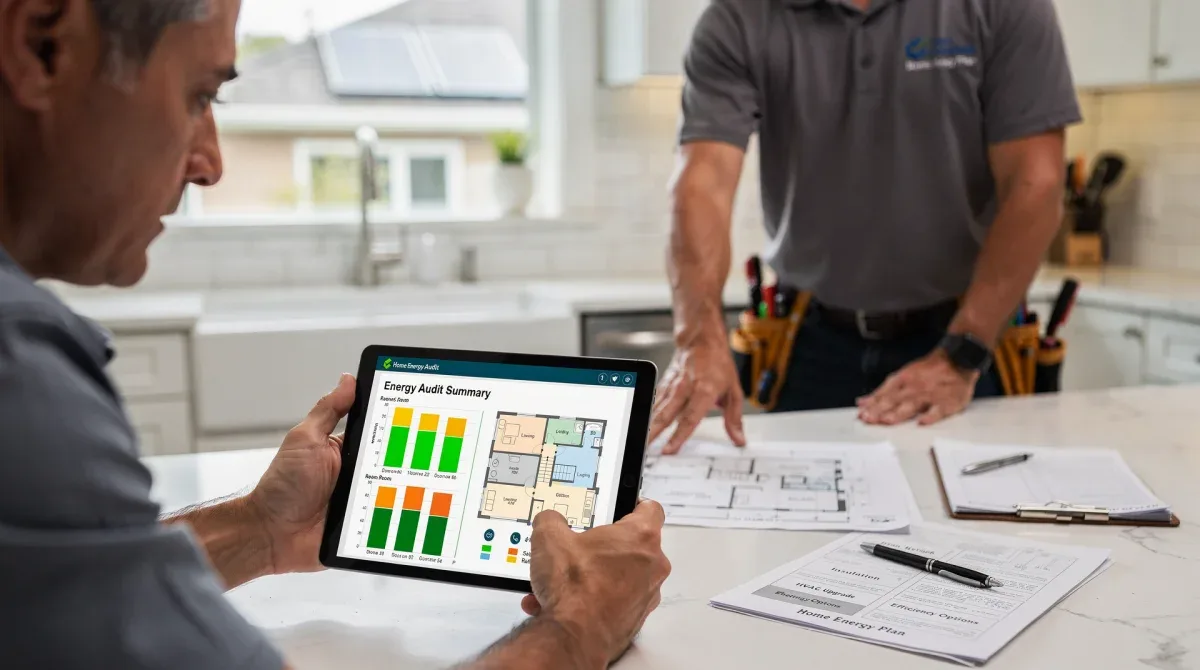
A professional energy audit will be your best guide in identifying the most impactful upgrades for your specific home. They can pinpoint areas of greatest energy loss and recommend tailored solutions that align with the HOMES program's objectives, ensuring you get the most out of the available rebates.
The Process: From Assessment to Rebate Payout
Embarking on the journey to an energy-efficient home with the Federal HOMES Energy Rebate Program involves a structured, step-by-step process designed to ensure clarity and accountability. Understanding each phase, from the initial energy assessment to receiving your rebate, will help you navigate the program efficiently and avoid potential pitfalls.
The process typically begins with a comprehensive energy assessment conducted by a certified professional. This initial audit establishes a baseline of your home's energy performance and identifies specific areas for improvement. It’s a critical diagnostic step, much like a doctor’s examination before prescribing treatment. The auditor will use specialized equipment to detect air leaks, evaluate insulation levels, and assess the efficiency of your heating, cooling, and water heating systems.
Navigating the rebate journey:
- Initial consultation and energy audit: Schedule an assessment with a qualified energy auditor. They will provide a detailed report outlining recommended upgrades and their estimated energy savings.
- Selecting a contractor and implementing upgrades: Choose a licensed and reputable contractor for the approved energy efficiency improvements. Ensure they are familiar with the HOMES program requirements.
- Post-upgrade verification: Once the upgrades are complete, a second energy assessment is performed to verify the actual energy savings achieved. This is the moment where your investment truly starts to pay off.
- Submitting for rebate: With the post-upgrade report in hand, you will submit your application and documentation to the designated program administrator. This usually involves paperwork detailing the work done and the verified energy savings.
- Receiving your rebate: Upon approval of your application, the rebate check will be issued directly to you, providing a substantial return on your investment in energy efficiency.
Throughout this process, clear communication with your energy auditor and contractor is paramount. They can provide invaluable guidance, ensuring all documentation is correctly prepared and submitted, thereby streamlining your path to unlocking up to $8,000 in direct household savings through the federal HOMES energy rebate program.
Long-Term Benefits Beyond the Rebate
While the immediate financial incentive of up to $8,000 from the federal HOMES energy rebate is undeniably attractive, the long-term benefits of participating in this program extend far beyond the initial payout. Investing in energy efficiency creates a cascade of advantages that enhance your quality of life, contribute to environmental stewardship, and significantly increase your home's value over time.
One of the most immediate and tangible long-term benefits is the sustained reduction in your monthly utility bills. After implementing significant energy-saving upgrades, homeowners typically see a noticeable decrease in their heating, cooling, and electricity costs. These savings accumulate year after year, effectively putting more money back into your pocket for decades to come, far surpassing the one-time rebate amount.
Enduring advantages of energy efficiency:
- Reduced utility bills: Consistent lower monthly expenses for heating, cooling, and electricity.
- Increased home comfort: Improved insulation and air sealing lead to more stable indoor temperatures, eliminating drafts and hot/cold spots.
- Enhanced indoor air quality: Better ventilation and sealed envelopes can reduce the infiltration of pollutants and allergens.
- Higher home value: Energy-efficient homes are increasingly attractive to buyers, often commanding higher resale values.
- Environmental impact: Lower energy consumption means a reduced carbon footprint, contributing to a healthier planet.
- Greater energy independence: Less reliance on fluctuating energy markets and increased resilience against power outages.
These benefits collectively transform your home into a more comfortable, healthier, and financially sound asset. The initial investment, supported by the federal HOMES energy rebate, becomes a foundation for a more sustainable and economically advantageous living situation for years to come.
Anticipating the 2026 Rollout and Preparing Your Home
With the federal HOMES energy rebate program set to make a significant impact in 2026, proactive preparation is key for homeowners looking to seize this opportunity. While the full details of the rollout are still being finalized, there are several strategic steps you can take now to ensure your home is ready to qualify and maximize the potential $8,000 in savings.
One of the most crucial preparatory steps is to begin researching and vetting certified energy auditors and contractors in your area. These professionals will be indispensable throughout the rebate process, from the initial assessment to the final verification. Establishing relationships with reputable experts early can save you time and ensure a smoother application once the program is fully operational.
Essential preparation steps:
- Research and vet professionals: Identify certified energy auditors and licensed contractors who specialize in energy efficiency upgrades and are likely to be familiar with federal rebate programs.
- Gather home documentation: Collect any existing records related to your home's construction, previous energy audits, or appliance installations. This information can be valuable for the initial assessment.
- Perform a DIY energy audit: While not a substitute for a professional audit, conducting a simple walkthrough to identify obvious drafts, inadequate insulation, or old appliances can give you a preliminary understanding of your home's needs.
- Budget planning: Even with significant rebates, there will likely be upfront costs for upgrades. Start planning your finances to cover these initial expenses.
- Stay informed: Regularly check official government websites or reputable energy efficiency organizations for updates on the HOMES program's specific guidelines, application procedures, and launch dates.
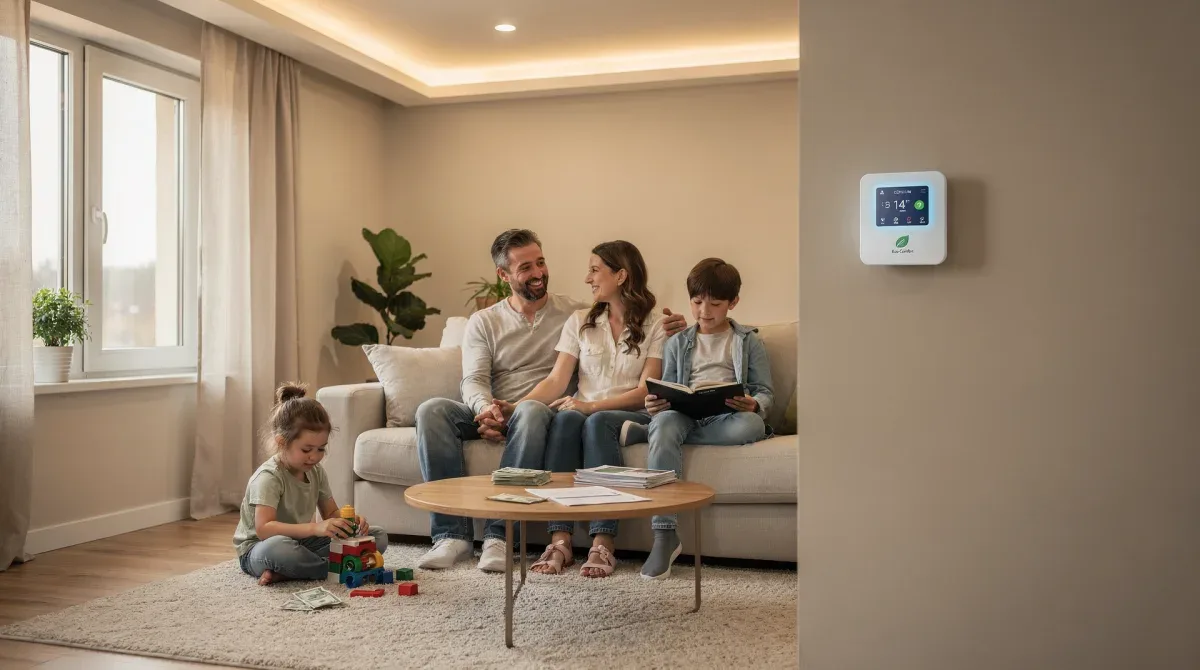
By taking these preparatory steps now, you position yourself advantageously to be among the first to benefit from the federal HOMES energy rebate program in 2026, ensuring a smoother path to a more energy-efficient and cost-effective home.
| Key Program Aspect | Brief Description |
|---|---|
| Rebate Amount | Up to $8,000 in direct household savings. |
| Eligibility | Primarily owner-occupied residences, based on measurable energy savings. |
| Key Upgrades | Insulation, HVAC, windows, air sealing, water heaters. |
| Program Focus | Performance-based incentives for comprehensive energy reductions. |
Frequently Asked Questions About the HOMES Energy Rebate
What is the Federal HOMES Energy Rebate Program?▼The Federal HOMES Energy Rebate Program is a government initiative starting in 2026 that offers homeowners direct financial incentives, up to $8,000, for making qualifying energy efficiency upgrades to their primary residences, aiming to reduce energy consumption and promote sustainable living.
How do I qualify for the up to $8,000 rebate?▼Qualification typically involves a pre- and post-upgrade energy assessment to demonstrate measurable energy savings. The rebate amount is directly tied to the percentage of energy reduction achieved, encouraging comprehensive, high-impact improvements installed by certified professionals.
What types of home improvements are eligible?▼Eligible improvements include, but are not limited to, upgrading insulation, installing high-efficiency HVAC systems, replacing old windows and doors, air sealing, and upgrading to energy-efficient water heaters. The focus is on upgrades that collectively lead to significant, verifiable energy savings.
When will the HOMES program officially start in 2026?▼While the program is slated for 2026, specific launch dates and detailed guidelines will be announced closer to the rollout. Homeowners are advised to monitor official government energy and housing websites for the most current information and application procedures.
Are there long-term benefits beyond the rebate?▼Absolutely. Beyond the direct rebate, homeowners will experience significantly reduced utility bills, enhanced indoor comfort, improved indoor air quality, and an increased home value. These benefits provide sustained financial and lifestyle advantages for many years.
Conclusion
The Federal HOMES Energy Rebate Program in 2026 represents a landmark opportunity for homeowners across the United States to invest in their properties while simultaneously contributing to a more sustainable future. By offering up to $8,000 in direct savings, the program significantly reduces the financial barrier to undertaking essential energy efficiency upgrades. Beyond the immediate rebate, participants will enjoy lasting benefits, including lower utility bills, enhanced home comfort, and increased property value. Proactive preparation and engagement with certified professionals will ensure that homeowners can fully leverage this initiative, transforming their living spaces into models of energy efficiency and enjoying the profound financial and environmental rewards for years to come.