6 Layering Formulas for 45-Degree Spring Temps
Advertisements
Mastering spring layering for 45-degree temperatures without adding bulk is crucial for comfort and style, allowing you to adapt seamlessly to fluctuating weather conditions with strategic garment combinations.
As spring awakens, so do the unpredictable temperature swings, often hovering around a brisk 45 degrees. Navigating these transitional days requires a smart approach to dressing. This article will guide you through 6 essential layering formulas for shifting 45-degree spring temperatures without adding bulk, ensuring you stay comfortable, stylish, and prepared for whatever the weather brings.
The foundation: mastering base layers
The secret to effective layering begins with your base. A well-chosen base layer provides warmth without unnecessary volume, allowing subsequent layers to drape smoothly. This initial step is often overlooked, but it's paramount for maintaining comfort throughout the day as temperatures fluctuate.
Choosing the right fabric for your base layer is critical. Natural fibers like merino wool are excellent due to their breathability, moisture-wicking properties, and ability to regulate body temperature. They keep you warm when it's chilly and prevent overheating as the day warms up. Alternatively, high-quality synthetic blends can offer similar benefits, often with added stretch for comfort.
Why fabric choice matters
Different fabrics interact with your body and the environment in unique ways. Cotton, while comfortable, tends to absorb moisture and can leave you feeling cold if you sweat. Silk, on the other hand, is a luxurious option that provides warmth without weight, making it ideal for a sleek base layer.
- Merino Wool: Excellent temperature regulation, moisture-wicking, odor-resistant.
- Silk: Lightweight, smooth, provides surprising warmth for its thinness.
- Technical Synthetics: Often quick-drying, moisture-wicking, good for active days.
When selecting your base, aim for close-fitting, thin garments. These should feel like a second skin, providing an insulating layer without adding bulk. A long-sleeve tee or a camisole made from one of these performance fabrics will serve you well as the starting point for your spring outfits.
In conclusion, a thoughtful approach to base layers sets the stage for successful spring layering. Prioritizing breathable, moisture-wicking fabrics ensures you remain comfortable and poised, regardless of the fluctuating 45-degree spring temperatures. This foundational element is key to achieving a streamlined, non-bulky silhouette.
Strategic mid-layers: warmth without bulk
Once your base is established, the mid-layer comes into play, providing the primary source of warmth. The goal here is to select pieces that offer insulation without creating a puffy or overly structured look. This is where the artistry of layering truly shines, balancing practicality with aesthetic appeal.
Think about fine-gauge knit sweaters, lightweight cardigans, or even a tailored vest. These items can be easily added or removed, adapting to temperature changes throughout the day. The key is to choose fabrics and cuts that complement your base layer and outer shell, ensuring a cohesive and comfortable ensemble.
Optimizing your mid-layer choices
When selecting mid-layers, consider materials like cashmere, fine merino wool, or a high-quality cotton blend. These fabrics offer significant warmth for their weight. Avoid chunky knits or overly baggy styles that will add unnecessary volume and detract from a sleek silhouette.
- Fine-gauge Sweaters: Provide warmth without bulk, ideal for office or casual wear.
- Lightweight Cardigans: Versatile, easy to shed, comes in various styles and materials.
- Tailored Vests: Adds a sophisticated layer of warmth to the torso, leaving arms free.
Layering a collared shirt over a base tee and under a fine-knit sweater is a classic example of this principle. The shirt adds a touch of polish and an extra thin layer of warmth, while the sweater provides substantial insulation. This combination allows for easy adjustment, simply by removing the sweater if temperatures rise.
To summarize, strategic mid-layers are crucial for adaptable warmth in shifting spring temperatures. By focusing on thin, insulating fabrics and well-fitting garments, you can achieve comfort and elegance without sacrificing a streamlined aesthetic. The right mid-layer acts as the core of your adaptable spring outfit.
The versatile outer shell: protection and style
The outer shell is your first line of defense against the elements and often the most visible component of your layered look. For 45-degree spring weather, versatility is paramount. You need something that offers protection from wind and light rain, yet isn't too heavy or cumbersome.
Lightweight jackets, trench coats, or blazers are excellent choices. They provide an additional layer of warmth and a polished finish to your outfit, while also being easy to carry if the weather unexpectedly improves. The outer shell defines the overall aesthetic of your layered ensemble.
Choosing your perfect spring jacket
Consider a classic trench coat for its timeless appeal and practical features like water resistance. A lightweight utility jacket offers a more casual, rugged look, while a tailored blazer can elevate any outfit, providing a sophisticated touch and a surprising amount of warmth. The material should be breathable to prevent overheating.
- Trench Coats: Classic, water-resistant, suitable for various occasions.
- Lightweight Utility Jackets: Casual, practical, often with multiple pockets.
- Tailored Blazers: Adds structure and sophistication, versatile for work or leisure.

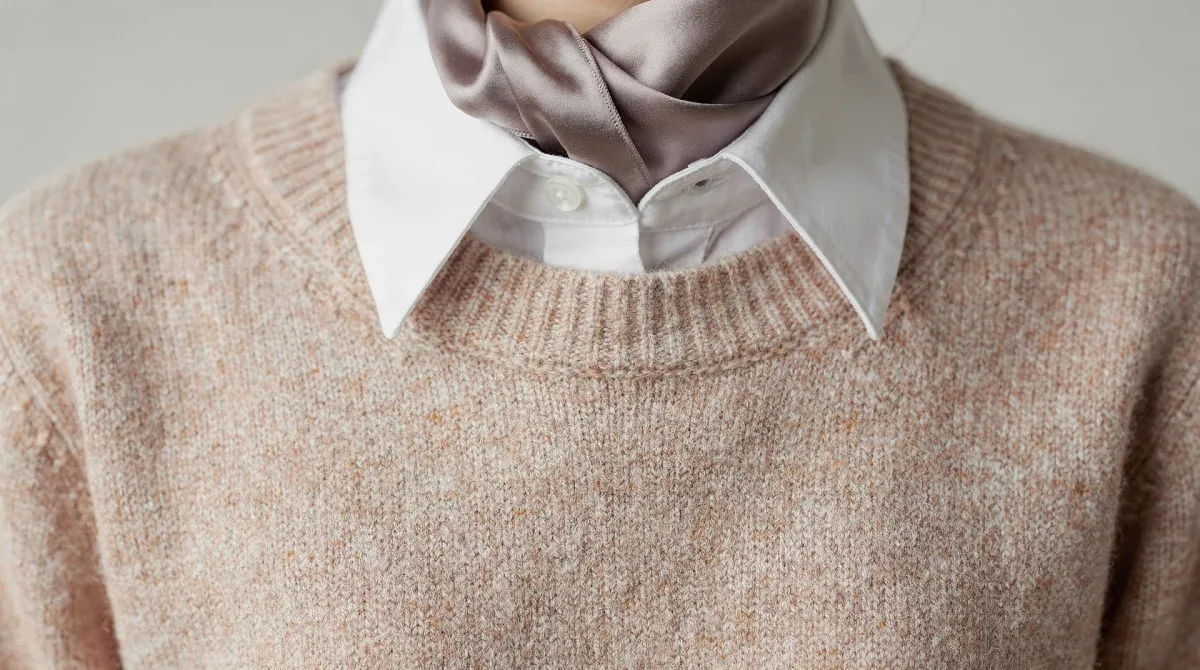
When selecting your outer shell, think about its length and how it will interact with your other layers. A longer coat can provide more coverage and a dramatic silhouette, while a shorter jacket might offer more freedom of movement. Ensure there's enough room to comfortably accommodate your base and mid-layers without feeling constricted.
In essence, the versatile outer shell is key to both protection and style in unpredictable spring weather. Opting for lightweight, functional, and aesthetically pleasing jackets or coats allows you to brave the elements while maintaining a sleek, non-bulky appearance. This layer completes your adaptable spring look.
Accessorizing smartly: scarves, hats, and gloves
Accessories are not merely decorative in 45-degree spring temperatures; they are functional components of your layering strategy. Scarves, hats, and gloves offer immediate warmth and protection against chilly winds, and they can be easily added or removed as needed, without adding significant bulk to your core outfit.
A well-chosen accessory can also elevate your entire look, adding a pop of color, texture, or pattern. The key is to select items made from appropriate materials that provide warmth without being overly heavy or cumbersome, ensuring they complement your existing layers.
The power of practical accessories
A lightweight wool or cashmere scarf can make a significant difference in keeping your neck warm. A beanie or a stylish wide-brimmed hat can protect your head from the chill, and a pair of thin leather or knit gloves can keep your hands comfortable without hindering dexterity. These items are easily stowed in a bag when not needed.
- Lightweight Scarves: Merino wool, cashmere, or silk blends offer warmth and style.
- Beanies or Hats: Essential for head warmth, choose breathable materials.
- Thin Gloves: Leather or knit options provide hand protection without bulk.
Consider how the colors and textures of your accessories integrate with your main garments. A contrasting scarf can add visual interest, while a tonal hat can create a more cohesive and sophisticated ensemble. The beauty of these items lies in their ability to offer both practical benefits and stylistic versatility.
To conclude, smart accessorizing is an indispensable part of successful spring layering. Scarves, hats, and gloves provide crucial warmth and protection against sudden chills, all while offering opportunities to enhance your outfit's aesthetic. These small additions play a big role in adapting to 45-degree spring temperatures without bulk.
Color and texture play for a cohesive look
Beyond the functional aspects of layering, the visual appeal of your outfit is paramount. Thoughtful consideration of color and texture can create a cohesive and sophisticated look, making your layered ensemble appear intentional rather than haphazard. This approach helps to avoid the perception of bulk, even with multiple garments.
Playing with different shades within a similar color family, or combining varied textures, adds depth and interest without adding physical volume. This artistic element transforms practical layering into a fashion statement, enhancing your overall style.
Harmonizing hues and tactile elements
Start with a neutral base, such as black, gray, navy, or camel, and build your layers using complementary or analogous colors. For instance, a light blue shirt under a navy sweater, topped with a gray trench coat, creates a harmonious progression of cool tones. Alternatively, introduce a pop of color with a scarf or a vibrant accessory.
- Monochromatic Layering: Different shades of the same color create a sleek, elongated look.
- Analogous Color Schemes: Colors next to each other on the color wheel offer a gentle contrast.
- Texture Contrast: Combine smooth silk with fine wool, or crisp cotton with soft cashmere.
Texture is equally important. Pairing a crisp cotton shirt with a soft cashmere sweater and a smooth leather jacket creates a dynamic interplay of tactile surfaces. These variations prevent the outfit from looking flat and contribute to a more sophisticated, non-bulky appearance. The visual interest shifts the focus from quantity of layers to quality and intentional design.
In summary, mastering color and texture play is essential for crafting visually appealing and cohesive layered outfits. By strategically combining shades and tactile elements, you can create depth and interest, ensuring your spring ensembles appear sophisticated and intentional, rather than bulky. This approach elevates your layering from functional to fashionable.
The art of proportion and silhouette
Achieving a non-bulky layered look in 45-degree spring temperatures heavily relies on understanding proportion and silhouette. It's not just about what you wear, but how the different pieces fit together to create an overall shape. A well-proportioned outfit can make multiple layers appear streamlined and elegant.
Focus on balancing fitted and looser elements, and pay attention to the length and cut of each garment. This careful consideration ensures that your layers enhance your figure rather than overwhelming it, allowing for comfortable movement and a polished appearance.
Balancing your layered look
A common strategy is to keep your base and mid-layers relatively fitted, allowing your outer layer to have a slightly looser, more relaxed fit. For example, a slim-fit turtleneck under a fine-knit crewneck sweater, topped with a classic straight-cut trench coat. This creates a clean line and avoids a bulky mid-section.
- Fitted Base & Mid-layers: Ensure underlayers are snug but not tight.
- Structured Outerwear: A well-tailored coat or blazer maintains shape.
- Length Variation: Varying hem lengths (e.g., long shirt under a shorter sweater) adds interest.
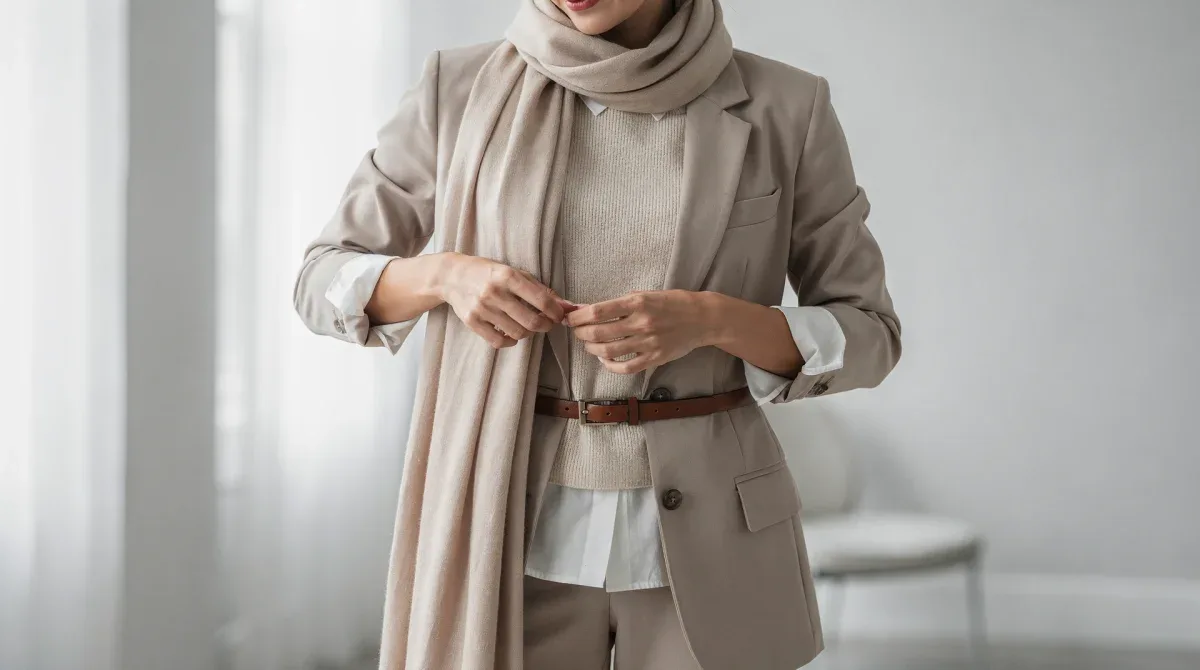
Consider the rule of thirds or similar compositional principles when assembling your outfit. For instance, a longer tunic-style shirt peeking out from under a cropped sweater can create an interesting visual break. Adding a belt over a blazer or a cardigan can also help define your waist, preventing a boxy silhouette and adding a touch of sophistication.
Ultimately, the art of proportion and silhouette is vital for creating elegant, non-bulky layered outfits. By thoughtfully combining fitted and looser garments and paying attention to lengths, you can craft a streamlined look that is both comfortable and stylish, perfectly suited for the dynamic demands of 45-degree spring days.
Layering formulas for various spring occasions
Understanding the principles of layering is one thing; applying them to different scenarios is another. Spring brings a variety of activities, from casual weekend outings to more formal workdays, all under the umbrella of shifting 45-degree temperatures. Having specific formulas can simplify your morning routine.
These formulas combine the base, mid, and outer layers with smart accessorizing, ensuring you're appropriately dressed for any spring occasion without feeling weighed down. The goal is adaptability and style, no matter where your day takes you.
Casual weekend comfort
For a relaxed weekend, start with a thermal long-sleeve tee as your base. Add a thin crewneck sweater or a flannel shirt as your mid-layer. Top it off with a lightweight denim jacket or a quilted vest. Complete the look with comfortable jeans and sneakers, and a soft knit beanie if it's particularly chilly. This provides warmth and allows for easy movement.
Professional office chic
For the office, begin with a silk camisole or a fine merino wool tee. Layer a crisp button-down shirt over it, then add a fine-gauge cardigan or a tailored blazer. A classic trench coat or a wool blend topcoat serves as the outer layer. Pair with tailored trousers or a pencil skirt and ankle boots for a polished, professional ensemble.
Evening elegance
For an evening out, consider a sleek thermal top as your base. Layer with a cashmere sweater or a delicate knit dress. A chic wool cape or a sophisticated long-line blazer can be your outer layer. Accessorize with a beautiful silk scarf and elegant gloves. This combination offers warmth while maintaining a refined and stylish appearance.
In essence, applying specific layering formulas to different spring occasions ensures you're always dressed appropriately and comfortably. By mixing and matching bases, mid-layers, and outer shells, you can navigate fluctuating 45-degree temperatures with ease, maintaining a stylish and non-bulky silhouette for any event.
| Key Layering Principle | Brief Description |
|---|---|
| Smart Base Layers | Utilize thin, breathable fabrics like merino wool or silk for core warmth without bulk. |
| Versatile Mid-Layers | Choose fine-gauge knits or lightweight cardigans for adaptable insulation. |
| Protective Outer Shells | Opt for lightweight trenches or blazers for style and weather protection. |
| Proportion & Silhouette | Balance fitted and looser garments to create a streamlined, non-bulky appearance. |
Frequently asked questions about spring layering
What are the best fabrics for layering in 45-degree spring weather?▼The best fabrics for 45-degree spring layering are merino wool, silk, and high-quality cotton blends. These materials offer excellent breathability, moisture-wicking properties, and warmth without adding excessive bulk, ensuring comfort as temperatures fluctuate throughout the day.
How can I avoid looking bulky when layering multiple clothes?▼To avoid bulk, focus on thin, fitted base layers and fine-gauge mid-layers. Use tailored outerwear and pay attention to proportion, balancing snug inner layers with slightly looser outer garments. Strategic use of accessories and complementary colors also helps create a streamlined look.
Is a trench coat suitable for 45-degree spring temperatures?▼Yes, a trench coat is an excellent choice for 45-degree spring temperatures. Its classic design offers protection from wind and light rain, and its lightweight nature makes it ideal for layering over sweaters or blazers without adding excessive bulk, providing both style and functionality.
What role do accessories play in spring layering?▼Accessories like scarves, hats, and gloves are crucial for spring layering. They provide additional, adaptable warmth against sudden chills without adding bulk to core outfits. They also offer opportunities to add pops of color and texture, enhancing the overall aesthetic and versatility of your ensemble.
How do color and texture affect layered outfits?▼Color and texture play a vital role in creating cohesive and visually interesting layered outfits. Using monochromatic palettes or analogous colors, along with contrasting textures like silk, wool, and cotton, adds depth and sophistication, making multiple layers appear intentional and non-bulky.
Conclusion
Mastering the art of layering for those unpredictable 45-degree spring temperatures doesn't have to mean sacrificing style for comfort. By thoughtfully selecting breathable base layers, insulating yet sleek mid-layers, and versatile outer shells, you can create outfits that are both functional and fashionable. Incorporating smart accessories and understanding the interplay of color, texture, proportion, and silhouette are key to achieving a streamlined look without unnecessary bulk. These six essential formulas empower you to navigate spring's fluctuating weather with confidence and elegance, ensuring you're prepared for any shift in temperature while looking effortlessly chic.