Preserving Wool Sweaters: Moth Damage & Pilling Guide
Advertisements
Preserving 100% wool sweaters from moth damage and pilling involves a three-step process: meticulous cleaning, strategic storage with deterrents, and regular depilling and inspection to maintain their pristine condition and extend their lifespan.
Owning a 100% wool sweater is an investment in comfort and style, but keeping it pristine requires dedication. This guide will walk you through the complete guide to preserving 100% wool sweaters from moth damage and pilling in 3 steps, ensuring your cherished garments remain beautiful and last for years to come.
Understanding wool: a fiber like no other
Wool, a natural fiber derived primarily from sheep, is renowned for its exceptional warmth, breathability, and luxurious feel. Its unique crimped structure creates air pockets that trap heat, making it an ideal material for cold weather. However, this very structure, along with its protein composition, also makes it susceptible to certain vulnerabilities, particularly moth damage and pilling.
Understanding the inherent characteristics of wool is the first step in effective preservation. Unlike synthetic fibers, wool can absorb a significant amount of moisture without feeling damp, a property known as hygroscopicity. This characteristic, while beneficial for comfort, also means it requires specific drying and storage conditions to prevent mildew and maintain its integrity. Furthermore, the scales on wool fibers, while contributing to its warmth and elasticity, can interlock and form pills, especially in areas of high friction.
The allure and challenges of natural wool
The appeal of a fine wool sweater is undeniable; its softness, warmth, and natural elegance are unmatched. Yet, these very qualities demand a thoughtful approach to care. Moths are particularly drawn to the keratin protein found in wool, viewing it as a food source for their larvae. Pilling, on the other hand, is a mechanical issue, a natural consequence of fiber ends breaking and tangling together due to abrasion.
- Natural resilience: Wool naturally resists wrinkles and odors, reducing the need for frequent washing.
- Breathability: It regulates body temperature, keeping you warm without overheating.
- Durability concerns: Despite its strength, wool requires gentle handling to prevent stretching or felting.
Acknowledging these aspects of wool is crucial for developing an effective care routine. It's not just about addressing problems as they arise, but implementing preventative measures that respect the fiber's natural properties. This proactive approach ensures that your wool garments retain their shape, softness, and overall quality, allowing you to enjoy them for many seasons.
Step 1: meticulous cleaning for longevity
The foundation of any successful wool sweater preservation strategy begins with thorough and appropriate cleaning. Dirt, body oils, and food particles are not only unsightly but also act as attractants for moths. Improper washing can also lead to shrinkage, stretching, or felting, irrevocably damaging the garment. Therefore, understanding the correct cleaning methods is paramount.

Always check the care label first, as some wool garments may be dry-clean only. For those that can be hand-washed, cold water and a gentle wool-specific detergent are your best allies. Avoid hot water, which can cause felting, and harsh detergents that strip the natural lanolin from the wool fibers. Lanolin is wool's natural protective barrier, contributing to its softness and water resistance. Protecting this natural oil is key to maintaining the sweater's quality.
Hand washing your wool sweaters
Hand washing offers the most control and is generally the safest method for delicate woolens. Begin by filling a clean basin with cool water and adding a small amount of wool-specific detergent. Submerge the sweater completely, gently squeezing the water through the fabric. Avoid any harsh scrubbing, twisting, or stretching, as these actions can distort the garment's shape or cause felting.
- Soak gently: Allow the sweater to soak for 10-15 minutes, letting the detergent work its magic without agitation.
- Rinse thoroughly: Drain the soapy water and refill the basin with clean, cool water. Gently press the water through the sweater until all soap is removed.
- Remove excess water: Do not wring. Instead, gently press the sweater against the side of the basin or roll it in a clean, dry towel to absorb excess water.
Once the excess water is removed, reshape the sweater and lay it flat on a clean, dry towel or a mesh drying rack. Air circulation is vital for even drying. Avoid hanging wool sweaters, as the weight of the water can cause them to stretch and lose their shape. Keep the sweater away from direct sunlight or heat sources, which can damage the fibers. This careful approach to cleaning ensures that your wool sweater is not only clean but also maintains its original shape and texture, preparing it for proper storage.
Step 2: strategic storage and moth prevention
Once your wool sweater is meticulously clean and completely dry, the next crucial step is strategic storage, with a strong emphasis on moth prevention. Moths are opportunistic pests, and a clean sweater is less appealing, but additional deterrents are essential to guarantee protection. Proper storage also helps maintain the garment's shape and prevents unnecessary wear.
The primary goal is to create an environment where moths cannot thrive. This means ensuring your storage area is cool, dark, dry, and clean. Humidity can encourage mold and mildew, which also attract pests. Before storing, ensure your sweaters are completely dry, as even a slight dampness can lead to issues.
Implementing effective moth deterrents
Chemical mothballs are an option, but their strong odor can be difficult to remove, and they contain pesticides. Natural alternatives are often preferred for their pleasant scent and non-toxic properties. Cedar is a classic choice, as its oils are natural insect repellents. Lavender, rosemary, and cloves also offer aromatic deterrence.
- Cedar blocks or chips: Place cedar items directly with your sweaters. Remember to refresh cedar's scent periodically by lightly sanding its surface.
- Lavender sachets: Fill small cloth bags with dried lavender and place them in drawers or closets. Replace them every few months as the scent fades.
- Airtight containers: For long-term storage, acid-free archival boxes or breathable garment bags are ideal. Vacuum-sealed bags are also effective, as they remove oxygen, which moths need to survive, but ensure sweaters are completely dry first to avoid mildew.
Consider the type of storage you use. For items you wear frequently, drawers or shelves are suitable, provided they are clean and you use deterrents. For seasonal storage, airtight containers or garment bags offer superior protection. Regularly inspect your storage areas and sweaters for any signs of moth activity, such as small holes, cocoons, or larvae. Early detection can prevent widespread damage. By combining cleanliness with effective deterrents and appropriate storage solutions, you create a robust defense against moth damage, safeguarding your wool investments.
Step 3: regular inspection and pilling management
Even with the best cleaning and storage practices, 100% wool sweaters can still experience pilling, especially in areas of high friction like underarms, cuffs, and sides. Pilling is a natural occurrence, where short or broken fibers on the surface of the fabric tangle together, forming small balls. While it doesn't indicate poor quality, it can make a sweater look worn and aged. Regular inspection and proper pilling management are key to maintaining a polished appearance.
Beyond pilling, routine inspections also allow you to catch any early signs of moth activity or other damage before it becomes extensive. This proactive approach ensures that minor issues can be addressed swiftly, preventing them from escalating into bigger problems that might require costly repairs or even render the sweater unwearable.
Tools and techniques for depilling
There are several effective tools available for removing pills, each with its own advantages. Choosing the right tool depends on the severity of the pilling and your comfort level.
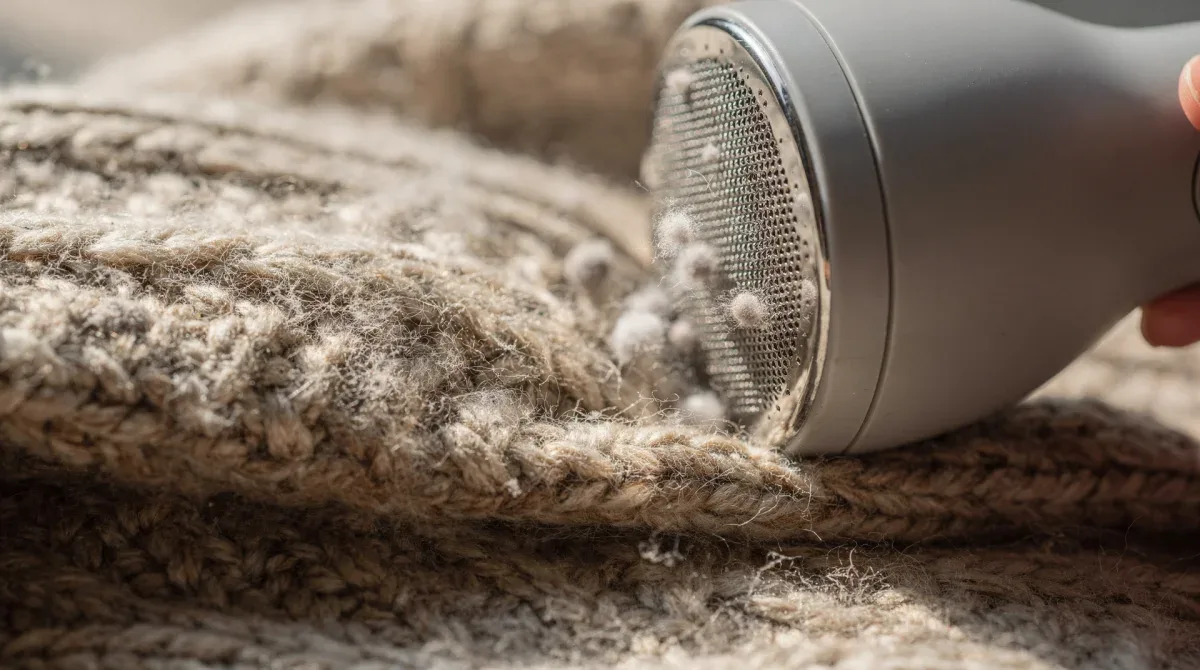
- Fabric shaver (electric depiller): These devices gently shave off pills from the surface of the fabric. They are efficient and generally safe for most wool types, but always test on an inconspicuous area first.
- Sweater comb or stone: These tools work by gently lifting and cutting away pills. They are excellent for more delicate wools or for precise removal.
- Razor: A sharp, disposable razor can be used carefully to shave off pills. Hold the fabric taut and use light, short strokes. This method requires a steady hand and extreme caution to avoid cutting the fabric.
When depilling, lay the sweater flat on a firm surface to ensure the fabric is smooth and taut. Work in small sections, gently removing the pills without pulling or stretching the fabric. After depilling, use a lint roller or brush to remove any loose fibers. This process not only refreshes the sweater's appearance but also helps to prolong its life by preventing further entanglement of fibers. Regular depilling, perhaps after every few wears or before storing for the season, will keep your wool sweaters looking their best, reflecting the care you put into them.
Environmental factors and wool care
The environment in which your wool sweaters are stored and worn plays a significant role in their overall health and longevity. Factors such as humidity, temperature, and exposure to light can all impact the fibers, affecting both their susceptibility to damage and their aesthetic appeal. Understanding these external influences allows for a more holistic approach to wool care, moving beyond just cleaning and storage.
High humidity, for instance, can create an ideal breeding ground for mold and mildew, which not only produce unpleasant odors but can also degrade wool fibers. Conversely, excessively dry conditions can make wool brittle over time. Maintaining a stable, moderate environment is therefore crucial for preserving the integrity of your garments. Temperature fluctuations can also stress wool fibers, potentially leading to a loss of elasticity and shape over extended periods.
Protecting against environmental damage
Protecting your wool sweaters from adverse environmental conditions involves more than just sealing them away. It's about creating a stable microclimate for your cherished items. This might include using dehumidifiers in damp closets or ensuring that storage areas are not exposed to direct sunlight, which can fade colors and weaken fibers.
- Humidity control: Use silica gel packets in storage containers or a dehumidifier in your closet to maintain optimal humidity levels (around 50%).
- Temperature stability: Store sweaters in areas with consistent temperatures, avoiding attics or basements prone to extremes.
- Light exposure: Keep sweaters out of direct sunlight, as UV rays can cause fading and fiber degradation. Store them in dark closets or opaque containers.
Furthermore, consider the air quality of your storage environment. Dust and pollutants can settle on fibers, requiring more frequent cleaning. Regular vacuuming of closets and drawers, along with the use of breathable garment bags, can help minimize this issue. By actively managing these environmental factors, you add another layer of protection to your wool sweaters, ensuring they remain vibrant and robust for many years, resisting the subtle, yet damaging, effects of their surroundings.
Advanced tips for long-term wool preservation
Beyond the fundamental steps of cleaning, storage, and pilling management, there are several advanced practices that can significantly enhance the long-term preservation of your 100% wool sweaters. These tips often involve a deeper understanding of wool's properties and implementing specialized care routines that go the extra mile in protecting these valuable garments. Think of these as refinements to your existing care regimen, designed to extend the life and beauty of your woolens even further.
One such advanced tip involves understanding the specific type of wool you own. While all wool shares common characteristics, merino wool, cashmere, and lambswool each have slightly different fiber structures and sensitivities. For instance, cashmere is notoriously delicate and may require even gentler handling and more frequent depilling than a coarser lambswool. Tailoring your care to the specific wool type can prevent accidental damage and optimize its longevity.
Specialized care and preventative measures
Implementing specialized care routines can make a significant difference. This includes not only how you clean and store but also how you handle your sweaters during wear and between uses.
- Resting sweaters: Allow wool sweaters to rest for 24-48 hours between wears. This gives the fibers time to recover their shape and elasticity, reducing stretching and pilling.
- Spot cleaning: Address small spills or stains immediately with a damp cloth and a tiny amount of wool-safe spot cleaner, rather than washing the entire garment. This minimizes exposure to water and detergent.
- Lining garments: If wearing a wool sweater under a jacket or coat, consider wearing a thin lining or undershirt to reduce friction, especially in the underarm area, which is prone to pilling.
- Professional care for delicate items: For heirloom pieces or very delicate wools, consider professional eco-friendly dry cleaning services that specialize in natural fibers.
Another often overlooked aspect is the use of garment brushes. A soft-bristled garment brush can gently remove surface dirt, lint, and loose fibers after each wear, reducing the need for frequent washing and preventing pills from forming. Brushing in the direction of the weave helps to smooth the fibers and maintain the fabric's appearance. By integrating these advanced tips into your wool care routine, you not only preserve your sweaters but also deepen your appreciation for the craftsmanship and natural beauty of these exceptional garments. It's about nurturing them so they can continue to provide warmth and style for many years to come.

Common mistakes to avoid in wool care
Even with the best intentions, certain common mistakes can inadvertently harm your 100% wool sweaters. Recognizing and actively avoiding these pitfalls is just as crucial as implementing proper care techniques. Many of these errors stem from a misunderstanding of wool's unique properties or from simply rushing the care process. Taking a moment to understand what not to do can save you from costly repairs or irreparable damage to your beloved garments.
One of the most frequent mistakes is using hot water or harsh detergents. Wool fibers are delicate and can react poorly to extreme temperatures and strong chemicals, leading to shrinkage, felting, or a loss of natural oils. Another common error is improper drying, such as hanging a wet wool sweater, which inevitably leads to stretching and distortion of its original shape. These seemingly minor missteps can accumulate over time, significantly shortening the lifespan of your woolens.
Pitfalls that compromise your wool sweaters
Avoiding these common errors requires a mindful approach and a willingness to deviate from laundry habits typically applied to other fabrics. Wool demands a gentler, more considered touch.
- Overwashing: Wool is naturally odor-resistant and doesn't need to be washed after every wear. Excessive washing can strip lanolin and weaken fibers. Airing out after wear is often sufficient.
- Using bleach or fabric softener: Bleach can dissolve wool fibers, and fabric softeners can leave a residue that clogs the fibers, reducing breathability and softness.
- Direct heat exposure: Never put wool sweaters in a tumble dryer or use direct heat (like a radiator) to speed up drying. High heat causes irreversible shrinkage and damage to the fibers.
- Improper storage without protection: Storing wool with non-seasonal clothes without moth protection is an open invitation for pests, especially if the garments are not perfectly clean.
Another mistake is neglecting to inspect garments regularly. Small moth holes can quickly become larger, and minor pilling can escalate if not addressed promptly. Proactive inspection allows for early intervention, preventing minor issues from becoming major problems. By diligently avoiding these common mistakes, you ensure that your wool sweaters receive the respectful and appropriate care they deserve, allowing them to maintain their luxurious quality and serve you well for many seasons without premature wear or damage.
| Key Point | Brief Description |
|---|---|
| Meticulous Cleaning | Hand wash with cold water and wool detergent; avoid hot water, wringing, and harsh chemicals. |
| Strategic Storage | Store clean, dry sweaters in cool, dark, dry places with natural moth deterrents like cedar or lavender. |
| Pilling Management | Regularly inspect and remove pills using a fabric shaver, sweater comb, or careful razor technique. |
| Environmental Control | Manage humidity and avoid direct sunlight to prevent mildew, fading, and fiber degradation. |
Frequently asked questions about wool sweater care
How often should I clean my wool sweaters?▼Wool sweaters don't need frequent washing. Clean them at the end of the season before storing, or if visibly soiled. For light wear, simply airing them out can refresh the fibers and remove minor odors, reducing the need for a full wash.
Can I use a washing machine for wool sweaters?▼Some modern washing machines have a 'wool' or 'hand wash' cycle that can be safe if used with cold water and a wool-specific detergent. However, hand washing offers the most control and is generally recommended for 100% wool to prevent shrinkage and damage.
What are the best natural moth deterrents?▼Natural moth deterrents include cedar blocks or chips, lavender sachets, rosemary, and cloves. These items emit scents that repel moths. Remember to refresh cedar by sanding it periodically and replace sachets every few months for continued effectiveness.
How can I prevent pilling on my wool sweaters?▼Pilling is often caused by friction. Minimize it by rotating your sweaters, avoiding abrasive surfaces, and allowing garments to rest between wears. Regular depilling with a fabric shaver or sweater comb also helps maintain a smooth appearance and prevents new pills from forming.
Is it safe to store wool sweaters in vacuum-sealed bags?▼Yes, vacuum-sealed bags are excellent for long-term storage as they remove oxygen, which moths need. Ensure your sweaters are impeccably clean and completely dry before sealing to prevent mildew growth. This method is highly effective for seasonal storage.
Conclusion
Preserving your 100% wool sweaters from moth damage and pilling is a commitment that truly pays off, ensuring these luxurious garments remain a staple in your wardrobe for years. By embracing the three core steps outlined—meticulous cleaning, strategic storage with effective deterrents, and diligent pilling management—you can safeguard your investment. Remember that understanding wool's unique properties and avoiding common mistakes are equally vital. With a little care and attention, your wool sweaters will continue to offer unparalleled warmth, comfort, and style, season after season.