Footwear Longevity: Extend Full-Grain Leather Boot Life by 6 Years
Advertisements
Proactive maintenance, including regular cleaning, conditioning, and proper storage, can significantly extend the lifespan of full-grain leather boots by as much as six years, ensuring their lasting quality and aesthetic appeal.
Are you wondering how to make your favorite pair of full-grain leather boots last longer? Achieving remarkable footwear longevity: 5 maintenance steps that extend full-grain leather boot life by 6 years is not just a dream, but a tangible goal with the right approach. This guide will walk you through the essential practices to keep your investment looking pristine and performing optimally for years to come.
Understanding full-grain leather: the foundation of durability
Full-grain leather stands as the epitome of quality in the leather world, known for its unparalleled durability and natural beauty. Unlike other leather types, full-grain retains the entire grain layer of the hide, including all its natural imperfections and characteristics. This means it hasn't been sanded, buffed, or snuffed to remove flaws, which would otherwise weaken the material. Its inherent strength and resistance to wear and tear are precisely why it's a preferred material for high-quality boots and why understanding its properties is crucial for effective maintenance. The intact grain allows the leather to develop a rich patina over time, a unique characteristic that adds to its aesthetic appeal and tells a story of its journey with you.
The unique characteristics of full-grain leather
The beauty of full-grain leather lies in its fibrous structure. The outermost layer of the hide, known as the grain, is the densest and most durable part. When this layer is left intact, as in full-grain leather, it provides exceptional resistance to moisture and abrasion. This natural strength contributes significantly to the potential for extended footwear longevity. Furthermore, its ability to breathe makes it comfortable for prolonged wear, adapting to the foot's shape over time for a custom fit. This adaptability, combined with its robust nature, is what makes full-grain leather boots a long-term investment rather than a fleeting purchase.
- Natural strength: Retains the densest part of the hide for superior durability.
- Breathability: Allows air circulation, enhancing comfort and preventing moisture buildup.
- Unique patina: Develops a rich, personalized sheen over years of use.
- Moisture resistance: Naturally repels water due to its intact grain structure.
In essence, full-grain leather is not just a material; it's a living canvas that ages gracefully. Its ability to withstand the rigors of daily use while developing a unique character is what sets it apart. Recognizing these fundamental qualities is the first step in appreciating and implementing the maintenance practices that will ensure your boots achieve optimal footwear longevity, potentially extending their life by several years beyond what lesser quality materials could offer.

Step 1: regular cleaning and debris removal
The cornerstone of any effective leather boot maintenance regimen begins with diligent cleaning and debris removal. Neglecting this crucial first step allows dirt, dust, and grime to accumulate, which can not only mar the appearance of your full-grain leather but also gradually break down its fibers. Think of it as preparing a canvas before painting; a clean surface is essential for any subsequent treatments to be effective. This routine practice prevents abrasive particles from scratching the leather's surface and helps maintain its natural luster and integrity.
The importance of daily and weekly cleaning
Daily light cleaning involves simply wiping down your boots with a soft, dry cloth after each wear to remove superficial dust and dirt. This prevents buildup and is a quick, easy habit to adopt. For a more thorough weekly or bi-weekly clean, depending on usage, you'll need a slightly more involved process. This deeper clean addresses embedded dirt and prepares the leather for conditioning. Ignoring this step can lead to irreversible damage, compromising the very structure that gives full-grain leather its renowned durability and contributes to overall footwear longevity.
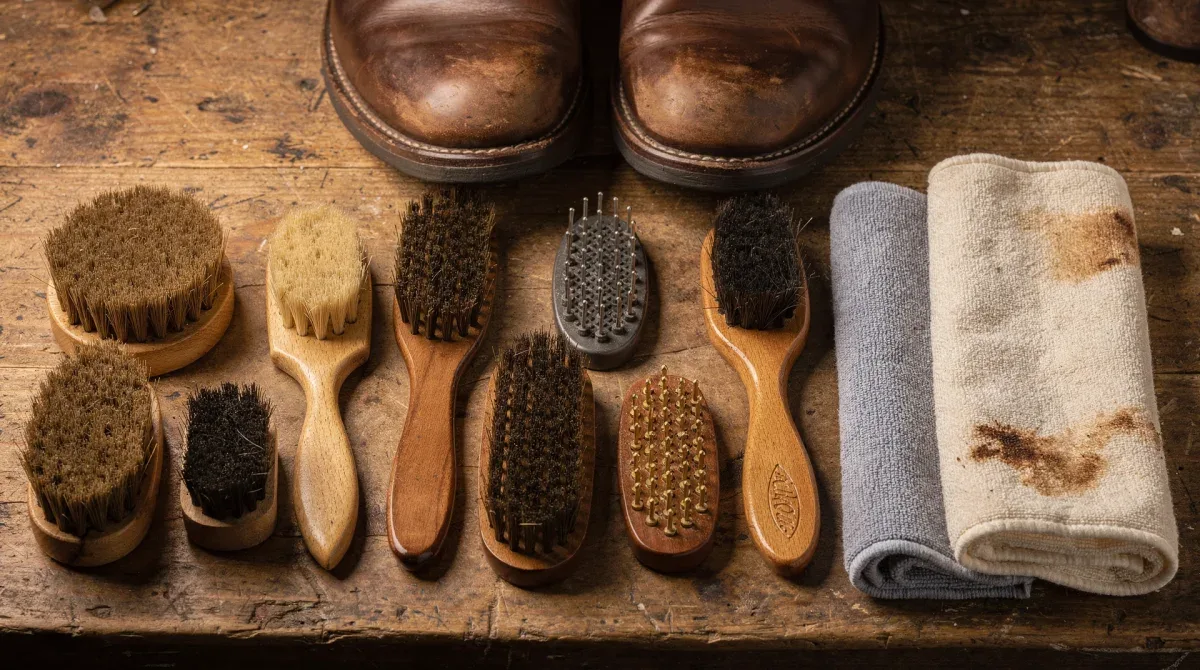
- Soft brush: Use a horsehair brush to gently remove loose dirt and dust from the surface.
- Damp cloth: Wipe down the boots with a slightly damp cloth to remove stubborn grime.
- Avoid harsh chemicals: Stick to mild leather cleaners specifically designed for full-grain leather.
- Air dry: Always allow boots to air dry naturally away from direct heat sources.
Regular cleaning is more than just about aesthetics; it's a protective measure. When dirt and grit are allowed to remain on the leather, they can act as abrasives, causing tiny scratches that, over time, can weaken the leather's surface. Furthermore, certain types of dirt, especially those with chemical residues, can dry out the leather, making it prone to cracking. By consistently removing these harmful elements, you actively contribute to the preservation of your boots' material, laying the groundwork for remarkable footwear longevity.
Step 2: deep conditioning for suppleness and protection
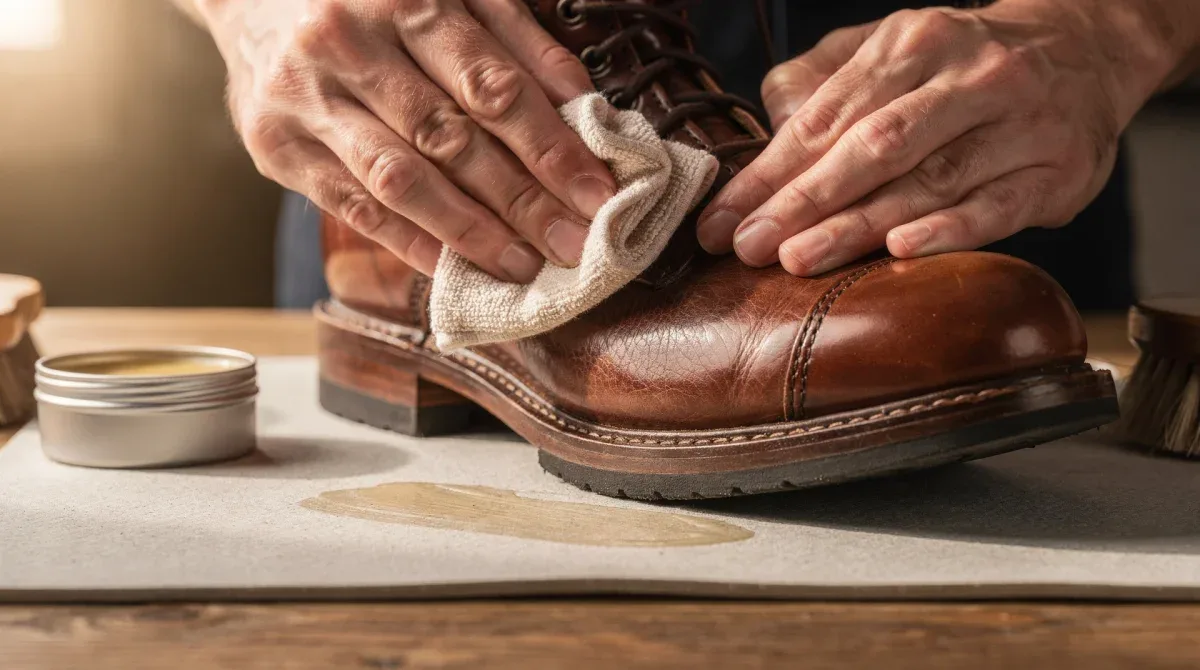
Once your full-grain leather boots are thoroughly clean, the next critical step in extending their life is deep conditioning. Leather, much like skin, requires moisture to remain supple and prevent cracking. Over time, exposure to elements like sun, heat, and even just regular wear can strip the leather of its natural oils, leading to dryness and brittleness. Conditioning replenishes these vital oils, restoring the leather's flexibility and creating a protective barrier against external damage. This practice is absolutely essential for maintaining the integrity of the leather and ensuring continued footwear longevity.
Choosing the right conditioner and application techniques
Selecting a high-quality leather conditioner specifically formulated for full-grain leather is paramount. Avoid products with petroleum jelly or waxes that can clog the leather's pores and prevent it from breathing. Instead, opt for conditioners rich in natural oils and waxes that penetrate deeply. Apply the conditioner sparingly with a soft cloth, working it into the leather in small circular motions. Pay special attention to areas that experience more stress, such as creases and seams. After application, allow the conditioner to soak in for several hours, or even overnight, before buffing off any excess. This ensures maximum absorption and optimal nourishment for the leather, significantly contributing to its resilience and extending its footwear longevity.
- Quality product: Use conditioners specifically designed for full-grain leather.
- Even application: Apply a thin, even layer with a soft cloth in circular motions.
- Focus on stress points: Condition creases and seams thoroughly to prevent cracking.
- Allow absorption: Let the conditioner soak in for several hours before buffing.
Deep conditioning is not a one-time event but a recurring ritual. The frequency depends on how often you wear your boots and the conditions they are exposed to. For boots worn regularly, conditioning every 1-3 months is a good guideline. Boots exposed to harsh weather, like rain or snow, might need more frequent conditioning. This consistent replenishment of oils keeps the leather pliable, prevents premature aging, and fortifies its natural protective qualities, making it a cornerstone practice for achieving superior footwear longevity.
Step 3: waterproofing for all-weather protection
Even the most durable full-grain leather can suffer from prolonged exposure to moisture. Water can strip away natural oils, leading to stiffness, cracking, and even mold growth if not properly addressed. Therefore, waterproofing your full-grain leather boots is a crucial step in safeguarding your investment and significantly contributing to their footwear longevity. This protective layer acts as a barrier, preventing water from penetrating the leather while still allowing it to breathe, a delicate balance that is essential for long-term care.
Selecting and applying effective waterproofing treatments
There are various waterproofing options available, from sprays to waxes, each with its own advantages. For full-grain leather, wax-based treatments or specialized leather waterproofing creams are often recommended as they provide a robust barrier while also conditioning the leather. Before applying any waterproofing product, ensure your boots are clean and dry, and ideally, freshly conditioned. Apply the product evenly, following the manufacturer's instructions, paying close attention to seams and stitching where water can most easily seep in. Allow ample time for the treatment to cure and penetrate the leather, usually several hours or overnight.
- Choose appropriate product: Opt for wax-based or cream waterproofers for full-grain leather.
- Clean and condition first: Apply only to clean, dry, and conditioned boots.
- Thorough application: Cover all surfaces, especially seams and stitching.
- Allow to cure: Give the product time to fully absorb and create a protective barrier.
Regular reapplication of waterproofing is necessary, especially if your boots are frequently exposed to wet conditions. Over time, the protective layer can wear off, reducing its effectiveness. A good rule of thumb is to reapply waterproofing every few months, or whenever you notice water no longer beads off the surface of your boots. This proactive approach to weather protection is a non-negotiable step in maintaining your full-grain leather boots and ensuring they remain a reliable and stylish companion for many years, truly maximizing their footwear longevity.
Step 4: proper storage and shoe tree utilization
The way you store your full-grain leather boots when not in use plays a surprisingly significant role in their overall footwear longevity. Simply tossing them into a closet can lead to them losing their shape, developing creases, and becoming susceptible to dust and humidity. Proper storage, coupled with the strategic use of shoe trees, can preserve their form, prevent damage, and keep them ready for your next adventure. This step is often overlooked but is fundamental to maintaining the structural integrity and aesthetic appeal of your cherished footwear.
The benefits of shoe trees and ideal storage conditions
Shoe trees are invaluable tools for maintaining the shape of your boots. They absorb moisture from the leather, reducing odors and preventing the growth of bacteria and mold. Cedar shoe trees are particularly effective due to their natural aromatic and moisture-absorbing properties. Insert shoe trees immediately after wearing your boots, as the leather is still warm and pliable, making it easier to reshape. Beyond shoe trees, storing your boots in a cool, dry, and well-ventilated area is crucial. Avoid damp basements or hot attics, which can degrade the leather over time. Using breathable dust bags or original shoe boxes can protect them from dust and light, further safeguarding their appearance and extending their footwear longevity.
- Maintain shape: Shoe trees prevent creases and help boots retain their original form.
- Absorb moisture: Cedar shoe trees draw out moisture, preventing odor and bacterial growth.
- Cool, dry environment: Store boots away from extreme temperatures and humidity.
- Protective covers: Use dust bags or boxes to shield from dust and light.
Investing in quality shoe trees and dedicating a suitable storage space are small efforts that yield significant returns in terms of boot preservation. These practices prevent common issues like sagging ankles, permanent creasing, and premature material degradation, all of which can drastically shorten a boot's lifespan. By treating your boots with this level of care even when they're not on your feet, you actively contribute to their enduring beauty and functionality, ensuring optimal footwear longevity.
Step 5: timely repairs and professional intervention
Even with the most meticulous at-home maintenance, wear and tear are inevitable. Small issues, if left unaddressed, can quickly escalate into major problems that compromise the entire boot. This is where timely repairs and, when necessary, professional intervention become critical components of achieving maximum footwear longevity. Proactive repair can save your boots from irreparable damage and significantly extend their usable life, making this step as important as any preventative measure.
Recognizing common issues and seeking expert help
Be vigilant for early signs of wear, such as loose stitching, worn-down heels or soles, minor scuffs, or weakened eyelets. Addressing these issues promptly can prevent them from worsening. For simple repairs like re-stitching or minor sole repair, you might be able to find DIY kits, but for anything more complex, it's always best to consult a professional cobbler. A skilled cobbler has the expertise and specialized tools to perform repairs that restore your boots to near-original condition without damaging the leather. They can replace entire soles, repair significant tears, or refurbish the leather, breathing new life into your beloved pair and ensuring continued footwear longevity.
- Inspect regularly: Check for loose stitching, worn soles, or any developing damage.
- Address small issues: Don't let minor problems become major ones.
- Professional cobbler: Seek expert help for complex repairs like sole replacement or major leather restoration.
- Quality materials: Ensure any repairs use materials compatible with full-grain leather.
Think of a cobbler as a doctor for your boots. Just as you wouldn't attempt complex surgery on yourself, you shouldn't hesitate to entrust your valuable full-grain leather boots to a professional when they need significant attention. The cost of professional repair is often a fraction of the cost of a new pair of high-quality boots and is a worthwhile investment in extending their lifespan. By combining diligent personal care with judicious professional intervention, you create a comprehensive strategy that guarantees your boots will serve you well for many years, embodying true footwear longevity.
Beyond the basics: advanced tips for ultimate boot care
While the five core maintenance steps are foundational for extending the life of your full-grain leather boots, there are additional advanced practices that can further enhance their durability and appearance. These tips delve deeper into specific aspects of care, offering an extra layer of protection and refinement that can contribute to truly exceptional footwear longevity. Incorporating these into your routine can make a noticeable difference in how your boots age and perform over the years.
Specialized care for challenging conditions and long-term preservation
Consider using specialized products for specific challenges. For instance, if your boots are frequently exposed to road salt in winter, invest in a dedicated salt stain remover to prevent permanent damage. For boots that see heavy outdoor use, a harder-wearing protective balm might be more suitable than a standard conditioner. Additionally, rotating your boots, rather than wearing the same pair every day, allows them to fully dry out between wears, preventing moisture buildup and extending the life of both the leather and the internal components. This simple rotation practice, often underestimated, significantly contributes to overall footwear longevity by reducing continuous stress on a single pair. Furthermore, for very long-term storage, ensure boots are stuffed to maintain shape, ideally with acid-free tissue paper, and stored in breathable containers, away from direct sunlight and temperature fluctuations.
- Salt stain removal: Use specific products to combat corrosive winter road salt.
- Rotating footwear: Allow boots to fully dry and rest between wears to prevent excessive stress.
- Hard-wearing balms: Apply tougher protection for boots used in rugged environments.
- Long-term storage preparation: Stuff with acid-free tissue and store in breathable conditions.
Another advanced tip involves understanding the nuances of drying wet boots. Never place wet leather boots directly near a heat source like a radiator or fireplace, as this can cause the leather to shrink, crack, and become stiff. Instead, stuff them with newspaper to absorb moisture and allow them to air dry slowly at room temperature. This gentle drying process is vital for preserving the leather's natural oils and flexibility. By embracing these advanced considerations, you elevate your boot care routine from good to exceptional, ensuring your full-grain leather boots not only last but thrive for well over six years, embodying the pinnacle of footwear longevity.
| Key Maintenance Step | Brief Description |
|---|---|
| Regular Cleaning | Removes dirt and debris, preventing scratches and material breakdown. |
| Deep Conditioning | Replenishes natural oils, maintaining suppleness and preventing cracks. |
| Waterproofing | Creates a protective barrier against moisture damage and environmental elements. |
| Proper Storage | Maintains boot shape and prevents damage from humidity and dust. |
Frequently asked questions about full-grain leather boot care
How often should I clean my full-grain leather boots?▼For optimal footwear longevity, a light wipe-down after each wear is recommended. A more thorough cleaning, involving brushing and wiping with a damp cloth, should be performed weekly or bi-weekly, depending on how frequently you wear them and the conditions they are exposed to.
What kind of conditioner is best for full-grain leather?▼It's best to use a high-quality leather conditioner specifically formulated for full-grain leather. Look for products rich in natural oils and waxes that penetrate deeply without clogging pores. Avoid petroleum-based products, which can harm the leather over time.
Can I use regular shoe polish on full-grain leather boots?▼While shoe polish can provide a shine, it's primarily for aesthetic purposes. For deep nourishment and protection, a dedicated leather conditioner is more effective. You can use polish after conditioning for an added shine, but ensure it's compatible with full-grain leather.
How do I dry wet full-grain leather boots safely?▼Never use direct heat. Instead, stuff your wet boots with newspaper to absorb moisture and allow them to air dry naturally at room temperature. This prevents the leather from cracking, shrinking, or becoming stiff, preserving its integrity.
When should I take my full-grain leather boots to a professional cobbler?▼Consult a professional cobbler for significant repairs such as sole replacement, extensive stitching issues, major tears, or comprehensive leather restoration. For minor scuffs or loose threads, you might be able to manage at home, but complex problems require expert intervention.
Conclusion
The journey to achieving exceptional footwear longevity for your full-grain leather boots is a rewarding one, rooted in consistency and attention to detail. By embracing the five essential maintenance steps—regular cleaning, deep conditioning, effective waterproofing, proper storage with shoe trees, and timely professional repairs—you are not just caring for a pair of boots; you are investing in their future. These practices ensure your boots not only retain their aesthetic appeal but also their structural integrity, allowing them to age gracefully, develop a unique character, and remain a reliable companion for well over six years. Your dedication to their care will be reflected in every step you take.