Weatherization Assistance Program 2026: Free $8,000 Upgrades
Advertisements
The Weatherization Assistance Program (WAP) in 2026 is designed to help eligible low-income households in the United States reduce their energy burdens by providing an average of $8,000 in free structural and energy-efficiency upgrades, directly lowering utility costs and enhancing home safety.
Are you struggling with rising energy bills, or do you live in a home that feels drafty and uncomfortable year-round? The Weatherization Assistance Program (WAP) in 2026 offers a beacon of hope for eligible low-income households across the United States. This vital federal initiative provides an average of $8,000 in free structural and energy-efficiency upgrades, transforming homes into more comfortable, safer, and significantly more affordable spaces.
Understanding the Weatherization Assistance Program (WAP)
The Weatherization Assistance Program (WAP) is the nation's largest residential energy efficiency program, targeting low-income families. Established in 1976, it has been a cornerstone of federal efforts to reduce energy costs for vulnerable populations.
WAP aims not just to save money but also to improve the health and safety of homes. By addressing critical issues like inadequate insulation, air leaks, and inefficient heating systems, the program makes a tangible difference in daily lives.
The core mission and goals of WAP
- Reduce energy costs: The primary goal is to lower monthly utility bills for low-income households.
- Improve health and safety: Addressing issues like carbon monoxide leaks, lead-based paint hazards, and poor indoor air quality.
- Enhance home comfort: Ensuring homes are warmer in winter and cooler in summer.
- Support local economies: Creating jobs in the weatherization and energy efficiency sectors.
The program is administered by the U.S. Department of Energy (DOE) and delivered through a network of state and local agencies, including community action agencies and non-profit organizations. These local providers are crucial in identifying eligible households and performing the necessary upgrades.
Understanding WAP means recognizing its dual impact: financial relief for families and a broader contribution to energy conservation and environmental sustainability. It's a proactive approach to energy poverty, providing long-term solutions rather than temporary fixes.

Eligibility requirements for 2026
Determining eligibility for the Weatherization Assistance Program in 2026 involves specific income guidelines and other criteria designed to ensure the program reaches those most in need. These requirements are updated annually, so it's important to check the most current information.
Generally, households are eligible if their income falls at or below 200% of the federal poverty level. However, if a household receives certain public assistance benefits, they are often automatically deemed eligible.
Income thresholds and automatic eligibility
- Federal poverty guidelines: Income limits are set at 200% of the federal poverty level, which varies by household size.
- Public assistance recipients: Households receiving Supplemental Security Income (SSI), Temporary Assistance for Needy Families (TANF), or other state-specific aid often qualify automatically.
- Priority for vulnerable groups: Special consideration is often given to the elderly, individuals with disabilities, and families with young children.
It's important to note that even if a household's income is slightly above the 200% threshold, some states and local agencies may have flexibility or alternative criteria, so applying is always recommended. The application process typically involves submitting income verification and proof of residency.
Understanding these eligibility requirements is the first step toward accessing the valuable benefits of the Weatherization Assistance Program. The program's design ensures that assistance is directed to those who face the greatest challenges in affording their energy costs.
The average $8,000 in free structural upgrades
The promise of an average of $8,000 in free structural upgrades is a significant incentive for eligible households to apply for the Weatherization Assistance Program. This figure represents the comprehensive nature of the improvements WAP provides, going far beyond simple fixes.
These upgrades are not merely cosmetic; they are carefully selected and installed by trained professionals to deliver lasting energy savings and improve the home's overall integrity. The specific interventions vary based on a thorough energy audit of each home.
Types of structural and energy-efficiency improvements
- Insulation improvements: This includes insulating attics, walls, floors, and crawlspaces to prevent heat loss or gain.
- Air sealing: Sealing leaks around windows, doors, and utility penetrations to stop drafts and reduce energy waste.
- Heating and cooling system repairs/replacements: Repairing or replacing inefficient furnaces, boilers, and air conditioning units.
- Duct sealing: Sealing leaky heating and cooling ducts to ensure efficient distribution of conditioned air.
- Window and door repairs/replacements: Upgrading to more energy-efficient windows and doors when necessary.
- Health and safety measures: Addressing issues like carbon monoxide detectors, smoke detectors, and minor structural repairs.
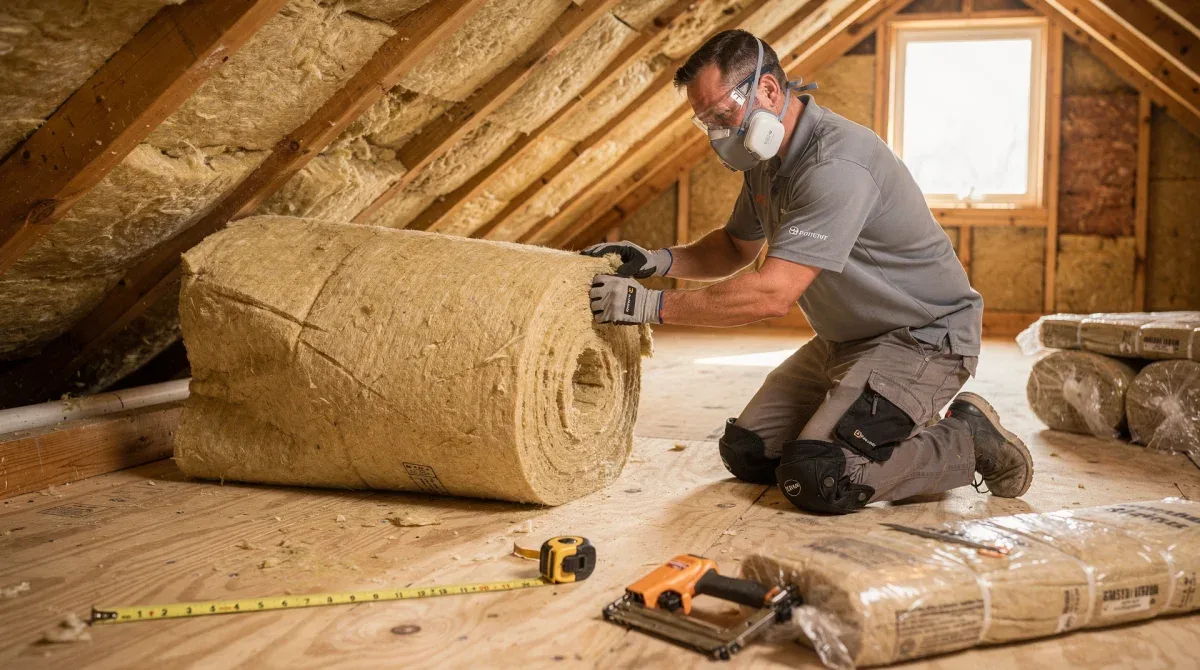
The value of these upgrades extends beyond the initial $8,000. Homeowners and renters benefit from reduced energy bills for years to come, leading to substantial long-term savings. Furthermore, the improvements increase the comfort and safety of the living environment, which are invaluable.
These free structural upgrades are a testament to the program's commitment to providing comprehensive and effective solutions for low-income households, directly impacting their quality of life and financial stability.
The application process for WAP in 2026
Navigating the application process for the Weatherization Assistance Program in 2026 is a straightforward but important series of steps. Understanding these steps can help eligible households successfully apply and receive the benefits.
The process generally begins at the local level, as state and local agencies are responsible for direct service delivery. It involves contacting your local weatherization agency, which is typically a community action agency or a non-profit organization.
Steps to apply for weatherization services
- Locate your local provider: The U.S. Department of Energy website provides a directory of state and local WAP providers.
- Submit an application: This usually involves filling out a form and providing documentation for income, household size, and home ownership/rental status.
- Income verification: Proof of income (pay stubs, tax returns, benefit statements) is required to confirm eligibility.
- Home energy audit: Once deemed eligible, a qualified energy auditor will visit your home to assess its energy efficiency and identify necessary upgrades.
- Work scheduling and completion: After the audit, a work order is developed, and trained crews perform the weatherization improvements.
It's important to be prepared with all necessary documentation to expedite the application process. Patience is also key, as there can sometimes be waiting lists due to high demand for these valuable services.
The application process, while requiring some effort, is designed to be accessible and supportive, ensuring that eligible families can readily access the significant benefits offered by the Weatherization Assistance Program.
Long-term benefits and energy savings
The long-term benefits of participating in the Weatherization Assistance Program extend far beyond the immediate structural upgrades. These benefits are designed to create sustainable improvements in household finances and overall well-being.
One of the most significant advantages is the substantial reduction in energy bills. Studies consistently show that weatherization can cut energy consumption by an average of 30%, translating into hundreds of dollars saved annually for families.
Impact on household budgets and comfort
- Reduced utility costs: Lowering heating and cooling expenses frees up household income for other necessities.
- Increased home comfort: Eliminating drafts and maintaining consistent indoor temperatures creates a more pleasant living environment.
- Improved health outcomes: Better indoor air quality and consistent temperatures can reduce instances of respiratory illnesses and other health issues.
- Enhanced home value: Energy-efficient upgrades can increase the market value of a home.
- Environmental benefits: Reducing energy consumption contributes to a smaller carbon footprint and a healthier planet.
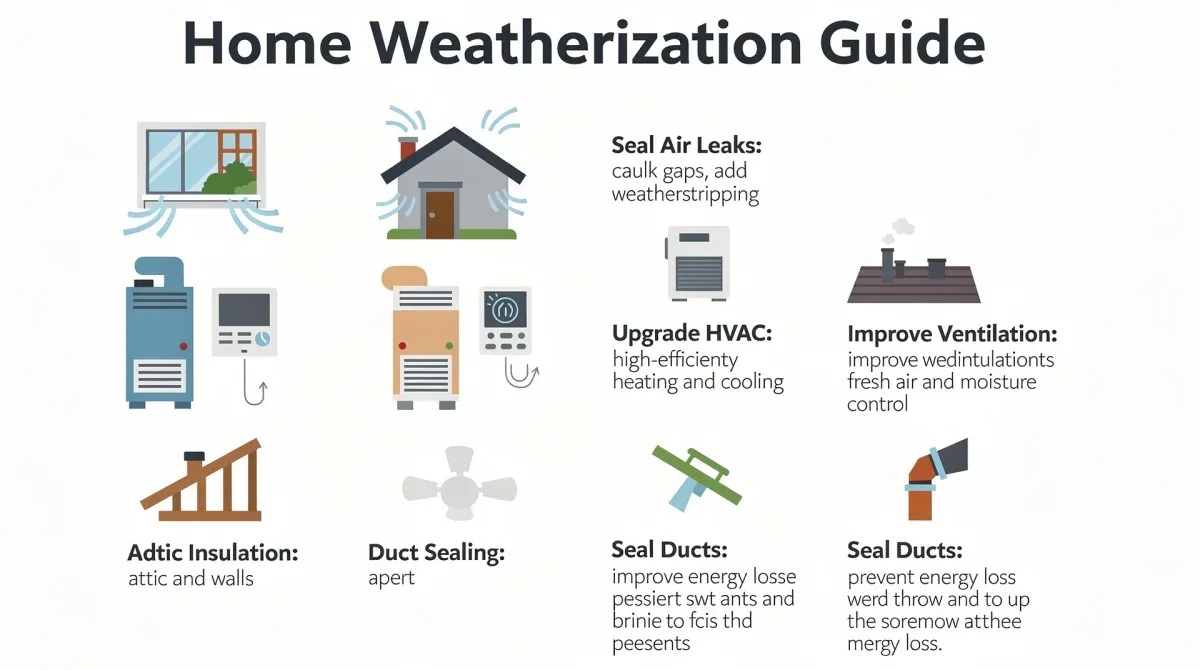
These long-term energy savings provide a crucial safety net for low-income families, helping them manage their budgets more effectively and achieve greater financial stability. The comfort and health improvements also contribute significantly to a better quality of life.
The Weatherization Assistance Program is an investment in communities and individuals, yielding enduring returns in the form of energy independence, financial resilience, and improved living conditions for those who need it most.
Case studies and success stories
Real-world examples powerfully illustrate the profound impact of the Weatherization Assistance Program. These stories highlight how the average $8,000 in free structural upgrades translates into tangible improvements for families across the nation.
From elderly individuals struggling with fixed incomes to young families trying to make ends meet, WAP has provided critical relief and a renewed sense of security in their homes.
Transforming lives through weatherization
- The Johnson family: A single-parent household in Arizona saw their summer electricity bills drop by 40% after attic insulation and AC tune-ups, allowing them to afford school supplies.
- Maria Rodriguez: An elderly woman in Wisconsin no longer fears winter after her home received new windows and boiler repairs, reducing her heating costs by over $100 monthly.
- The Chen household: In Oregon, a family with a child suffering from asthma experienced improved air quality and fewer health episodes after comprehensive air sealing and ventilation upgrades.
These stories are not isolated incidents; they represent thousands of households benefiting annually from WAP. They underscore the program's effectiveness in addressing energy poverty and improving overall living standards.
The success stories serve as a testament to the program's vital role in community development and individual empowerment, showcasing how strategic investments in energy efficiency can lead to widespread positive change.
Future outlook for WAP in 2026 and beyond
The Weatherization Assistance Program continues to evolve, with ongoing efforts to enhance its reach, efficiency, and impact. In 2026 and the years that follow, WAP is poised to play an even more critical role in national energy policy and poverty reduction.
Increased funding and technological advancements are likely to expand the types of upgrades available, potentially incorporating more renewable energy solutions and advanced smart home technologies.
Innovations and potential expansions
- Integration of renewable energy: Exploring opportunities to include solar panels or other small-scale renewable energy installations.
- Advanced smart home technology: Utilizing smart thermostats and energy monitoring systems to optimize energy use.
- Expanded eligibility criteria: Potential adjustments to income guidelines to include a broader range of low-income households.
- Enhanced training for workforce: Ensuring weatherization professionals are equipped with the latest skills and knowledge for advanced techniques.
The program's future also involves a continued focus on addressing climate change by reducing greenhouse gas emissions through energy conservation. WAP is not just about helping individuals; it's about contributing to broader environmental goals.
With sustained support and continuous innovation, the Weatherization Assistance Program will remain an indispensable resource, transforming homes and lives for a more energy-efficient and equitable future.
| Key Aspect | Brief Description |
|---|---|
| Program Goal | Reduce energy costs and improve health/safety for low-income households. |
| Average Benefit | Eligible households receive approximately $8,000 in free structural upgrades. |
| Eligibility | Income at or below 200% of federal poverty level, or receipt of certain public assistance. |
| Key Upgrades | Insulation, air sealing, HVAC repairs/replacements, window upgrades. |
Frequently Asked Questions about WAP
Who is eligible for the Weatherization Assistance Program in 2026?▼Eligibility for WAP in 2026 primarily targets low-income households. This generally means your household income must be at or below 200% of the federal poverty level. Additionally, households receiving certain public assistance benefits, such as SSI or TANF, are often automatically eligible for the program.
What types of upgrades are covered by the program?▼The program covers a wide range of structural and energy-efficiency improvements. These can include installing insulation in attics, walls, and floors, sealing air leaks, repairing or replacing inefficient heating and cooling systems, and upgrading windows and doors. The specific upgrades are determined by a professional home energy audit.
How much money can I expect to save on energy bills?▼On average, households participating in WAP experience a reduction in their annual energy bills by about 30%. This can translate to significant savings, often hundreds of dollars per year, which directly benefits household budgets and improves financial stability for low-income families.
How do I apply for the Weatherization Assistance Program?▼To apply, you should contact your local Weatherization Assistance Program provider. These are typically community action agencies or non-profit organizations. You can find a directory of local providers on the U.S. Department of Energy's website. You will need to submit an application with income and residency documentation.
Are these upgrades truly free, or is there a catch?▼Yes, the structural and energy-efficiency upgrades provided through the Weatherization Assistance Program are genuinely free for eligible households. There are no liens placed on your property, and no repayment is required. The program is fully federally funded to assist low-income families in reducing their energy burden.
Conclusion
The Weatherization Assistance Program in 2026 stands as a critical lifeline for countless low-income households across the United States. By providing an average of $8,000 in free structural and energy-efficiency upgrades, WAP not only delivers substantial relief from burdensome energy costs but also fosters healthier, safer, and more comfortable living environments. The program’s comprehensive approach, from thorough energy audits to professional installations, ensures long-lasting benefits that empower families, contribute to energy independence, and support broader environmental goals. As it continues to evolve and integrate new technologies, WAP remains an indispensable federal initiative, transforming homes and improving the quality of life for those who need it most, solidifying its place as a cornerstone of national efforts to combat energy poverty and build a more sustainable future.