Spotting Fake Luxury Bags: 7 Hardware Checkpoints
Advertisements
Authenticating luxury designer bags hinges significantly on inspecting hardware details, as these often reveal telltale signs of counterfeiting through inconsistencies in quality, branding, and construction.
Navigating the world of luxury designer bags can be thrilling, but the rising tide of sophisticated fakes makes vigilance essential. Learning how to spot counterfeit luxury bags using 7 specific hardware checkpoints is your best defense against inadvertently investing in a replica.
The Importance of Hardware in Authentication
When assessing a luxury designer bag's authenticity, the hardware components often tell the most revealing story. Unlike leather or canvas, which can be mimicked with varying degrees of success, the precise craftsmanship and material quality of hardware are notoriously difficult for counterfeiters to replicate perfectly. These small details, from the weight of a clasp to the etching of a logo, are critical indicators of a bag's true origin.
Genuine luxury brands invest heavily in custom-designed, high-quality hardware that reflects their brand identity and commitment to excellence. This dedication extends to the smallest screws and rivets, ensuring durability, aesthetic appeal, and a consistent feel. Counterfeiters, on the other hand, typically cut corners to maximize profit, resulting in hardware that often feels cheap, looks off, or lacks the intricate details found on authentic pieces.
Why Hardware is a Primary Authentication Point
Hardware serves as a crucial line of defense against counterfeits for several reasons. It's often custom-made for each brand, making it unique and challenging to duplicate without significant investment. The tactile experience and visual perfection of authentic hardware are hallmarks of luxury. Any deviation in these areas can immediately flag a bag as suspicious.
- Material Quality: Authentic hardware uses premium metals, often plated with gold, silver, or palladium, which resist tarnishing and scratching. Fakes often use cheaper alloys that chip or fade quickly.
- Weight and Feel: Genuine hardware has a substantial, luxurious weight and a smooth, polished feel. Counterfeit hardware often feels lighter, hollow, or rough to the touch.
- Consistency: Luxury brands maintain strict quality control, ensuring every piece of hardware on a bag is uniform in color, finish, and style. Fakes may show inconsistencies even within the same bag.
Understanding the nuances of hardware authentication empowers you to make informed decisions and protect your investment. By meticulously examining these components, you can significantly reduce the risk of purchasing a counterfeit item, ensuring your luxury bag is truly the real deal.
Examining Zippers and Pulls: The First Clue
Zippers are among the most frequently used hardware components on any bag, making them an excellent starting point for authentication. Luxury brands often partner with specific high-end zipper manufacturers or produce their own custom zippers, which exhibit distinct characteristics. The quality of the zipper mechanism itself, along with the design and finish of the pull, offers immediate insights into a bag's authenticity.
An authentic luxury zipper will operate smoothly and effortlessly, without catching or snagging. The teeth will be perfectly aligned and evenly spaced, and the slider will glide with a satisfying, consistent resistance. Counterfeit zippers, conversely, often feel stiff, rough, or flimsy, with teeth that may be uneven or poorly constructed. The sound of the zipper can also be a giveaway; genuine zippers often have a subtle, metallic whisper, while fakes might produce a cheap, tinny jingle.
Key Aspects of Zipper Inspection
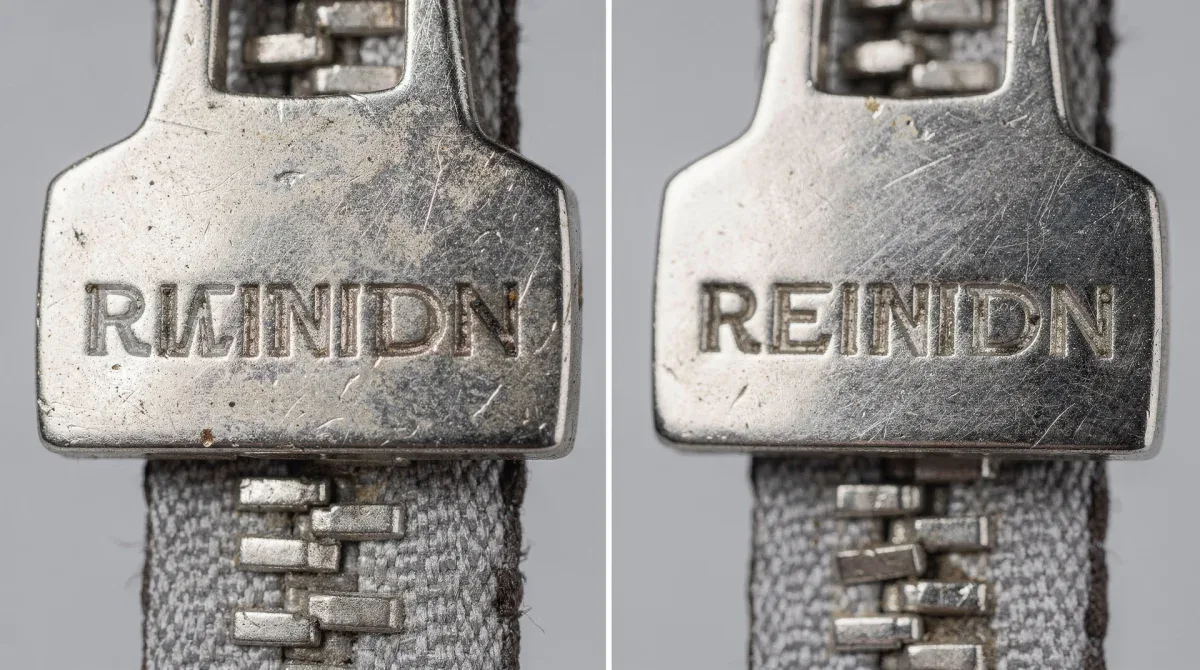
Beyond the functional aspects, the branding and construction of zipper pulls are paramount. Many luxury brands engrave or emboss their logos, names, or specific codes onto the zipper pulls. These markings should be crisp, clear, and perfectly centered, reflecting the brand's meticulous attention to detail. Any blurry, shallow, or misaligned engravings are strong indicators of a counterfeit.
- Brand Markings: Look for specific brand names (e.g., 'Lampo' for certain Gucci/Louis Vuitton bags, 'Riri' for high-end brands). Counterfeiters may use generic zippers or poorly replicate brand-specific markings.
- Finish and Plating: Authentic zipper pulls will have a flawless, durable finish, whether it's polished gold, brushed silver, or antique brass. Fakes often show uneven plating, discoloration, or signs of wear even on new bags.
- Attachment: The way the zipper pull is attached to the slider should be robust and secure, often with a custom-designed ring or clasp. Fakes might use flimsy, generic attachments that feel loose or break easily.
The zipper's overall construction, from the fabric tape to the metal stops, should also be consistent with the brand's known standards. Familiarizing yourself with the specific zipper types and markings used by your desired brand is a powerful tool in your authentication arsenal, helping you quickly identify discrepancies that point to a fake.
Clasps, Locks, and Latches: Precision Engineering
Clasps, locks, and latches are central to a luxury bag's functionality and aesthetic. These components are often intricately designed and require precision engineering to function correctly and feel substantial. For many brands, these pieces are iconic, featuring distinctive shapes, mechanisms, and brand engravings that are difficult to perfectly mimic. The tactile experience of operating a genuine clasp or lock is often a significant part of the luxury experience itself.
An authentic lock or clasp will operate smoothly, with a satisfying click or snap, indicating a well-engineered mechanism. There should be no wobbling, looseness, or excessive play. The alignment of the components, such as a lock plate with its keyhole, should be flawless, without gaps or unevenness. Counterfeit versions often feel flimsy, sticky, or difficult to operate, lacking the precision and solid feel of their authentic counterparts.

Hallmarks of Authentic Clasps and Locks
The branding on these hardware pieces is another critical checkpoint. Logos, serial numbers, or brand names are typically engraved deeply and clearly, with sharp edges and consistent spacing between letters. The finish should be uniform and resistant to scratching or chipping, even with regular use. Any signs of poor quality, such as shallow etching, misspellings, or an uneven finish, are red flags.
- Mechanism Smoothness: Test the clasp or lock; it should open and close without effort or resistance, producing a distinct, quality sound.
- Engraving Quality: Examine all engraved or embossed details for clarity, depth, and consistency. Authentic engravings are never blurry or uneven.
- Material and Finish: Note the metal's color and sheen. Luxury hardware often has a unique hue or texture that counterfeiters struggle to replicate accurately.
Furthermore, some luxury bags come with keys for their locks. These keys should also exhibit the same high-quality craftsmanship as the rest of the hardware, often featuring brand engravings. The key should fit the lock perfectly, turning smoothly without force. Any stiffness or ill-fitting key is a strong indicator of a fake, highlighting the overall lack of precision in counterfeit production.
D-Rings, Buckles, and Strap Hardware: Structural Integrity
The D-rings, buckles, and other strap hardware on a luxury bag are not just decorative; they are integral to its structural integrity and functionality. These components bear the weight of the bag and its contents, meaning they must be exceptionally strong and durable. Luxury brands use robust materials and secure attachment methods to ensure these pieces can withstand daily use without failing or showing premature wear.
Authentic D-rings and buckles will feel solid and substantial, made from high-grade metals that resist bending or deforming. Their finish will match the rest of the bag's hardware, with a consistent sheen and no signs of flaking or discoloration. The way these pieces are attached to the bag, often with reinforced stitching or custom-designed metal plates, speaks volumes about the brand's commitment to durability. Counterfeit versions often use lighter, weaker metals and cheaper attachment methods that can easily break or tarnish.
Inspecting Strap Hardware for Authenticity
Pay close attention to any branding or serial numbers etched into these components. Just like with zippers and clasps, these engravings should be precise, clear, and evenly spaced. Some brands might have specific designs for their D-rings or unique buckle styles that are difficult for counterfeiters to replicate without minor flaws. Even a slight variation in shape or thickness can be a sign of a fake.
- Reinforcement: Check how D-rings and buckles are attached. Authentic bags will have strong, even stitching or robust metal fixtures to secure them.
- Weight and Thickness: Genuine strap hardware will have a noticeable weight and feel solid. Fakes often feel thin, hollow, or surprisingly light.
- Smooth Edges: Run your finger along the edges of the hardware. Authentic pieces will have smooth, polished edges, while fakes might feel rough or unfinished.
The consistent quality of strap hardware across the entire bag is also a critical indicator. All D-rings, buckles, and other metal elements should match in color, finish, and style. Any discrepancy suggests a lack of quality control, which is virtually unheard of in genuine luxury production. This attention to detail in structural components ensures not only aesthetic appeal but also the long-term usability of the bag.
Feet and Studs: Ground-Level Quality Checks
The feet or studs on the bottom of a luxury bag serve a practical purpose: to protect the bag's material from wear and tear when placed on surfaces. However, for authentication purposes, they are also a crucial checkpoint, reflecting the brand's overall commitment to quality in every detail. These small but significant hardware elements are often overlooked by counterfeiters, making them excellent indicators of authenticity.
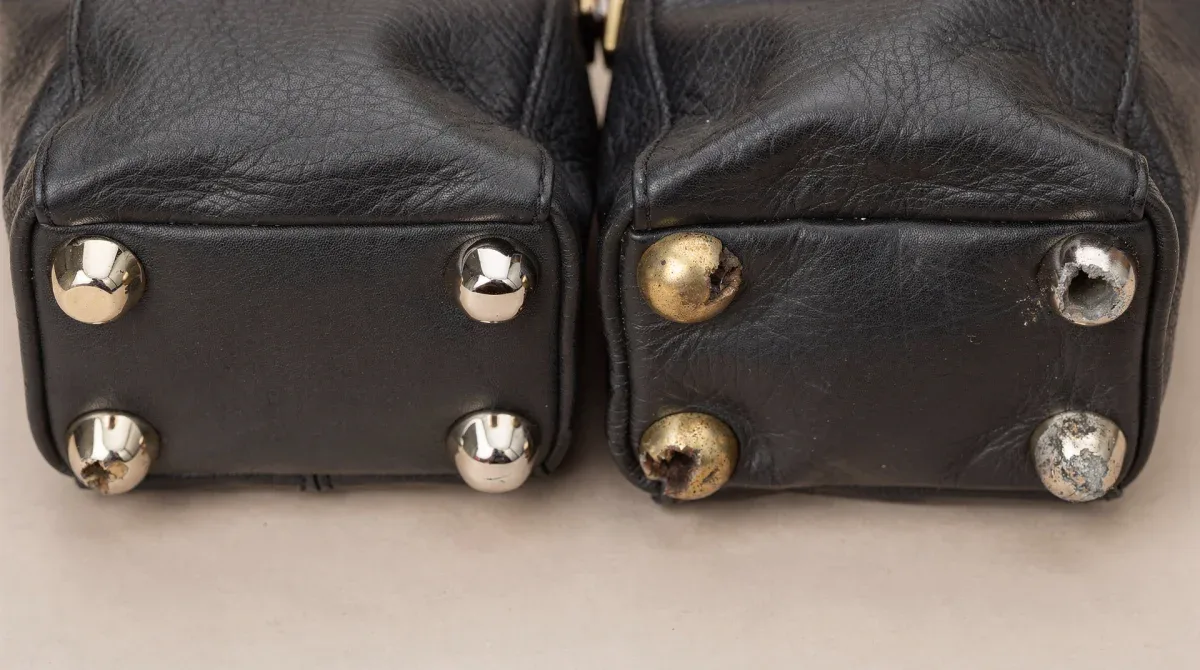
Authentic bag feet will be securely attached, often with custom screws or sturdy prongs, and will be perfectly aligned. They will typically be made from solid metal, matching the finish of the bag's other hardware, and will show no signs of loose attachment or cheap construction. The shape and size will be consistent, and if there are any brand engravings, they will be crisp and precise. Counterfeit feet, on the other hand, frequently appear flimsy, are poorly attached, or may even be made from plastic with a metallic coating that chips easily.
What to Look for in Bag Feet and Studs
The alignment and spacing of the feet are particularly important. On an authentic bag, the feet will be evenly spaced and symmetrical, reflecting the brand's meticulous manufacturing standards. Any crooked, unevenly spaced, or visibly loose feet are strong indicators of a fake. The quality of the metal plating is also crucial; genuine feet will have a durable, even finish that resists tarnishing, while fakes may show signs of cheap plating or discoloration.
- Attachment Security: Ensure feet are firmly attached without any wobbling or signs of being glued on poorly.
- Material Consistency: Verify that the metal of the feet matches the other hardware in color and finish.
- Alignment and Symmetry: Check for even spacing and perfect alignment of all feet on the bag's base.
Furthermore, some luxury brands incorporate subtle branding or unique designs into their bag feet. These details are often tiny but perfectly executed on authentic bags. Counterfeiters rarely pay such close attention to these 'ground-level' details, often using generic feet or poorly attempting to replicate brand-specific designs. A thorough inspection of these often-ignored components can provide significant clues about a bag's true origin, reinforcing the idea that no detail is too small when authenticating a luxury item.
Screws and Rivets: The Unsung Heroes of Authenticity
While often overlooked, the screws and rivets used in a luxury bag's construction are unsung heroes in the authentication process. These small fasteners play a crucial role in holding various hardware components in place and are subject to the same stringent quality control as more prominent elements. Luxury brands often use custom-designed screws and rivets, sometimes featuring unique head shapes, specific metal alloys, or even subtle brand engravings. These details are incredibly difficult for counterfeiters to replicate consistently and accurately.
Authentic screws and rivets will be perfectly uniform in size, shape, and finish across the entire bag. They will be securely fastened, sitting flush with the surface without any signs of stripping, rust, or misalignment. The metal quality will match the rest of the bag's hardware, exhibiting the same luster and resistance to wear. Counterfeit bags, conversely, frequently feature generic, ill-fitting screws or rivets that may be poorly plated, show signs of rust, or are visibly loose, indicating a lack of attention to detail and inferior manufacturing processes.
Why Small Fasteners Matter
Examining the screw heads is particularly insightful. Some luxury brands use specific screw head types, such as flat-head, Phillips-head, or even proprietary designs, that are consistent across their products. The presence of an incorrect screw head type or poorly executed fastening can be an immediate red flag. Similarly, rivets should be perfectly rounded or shaped according to the brand's design, with smooth edges and a consistent finish, without any signs of unevenness or burrs.
- Head Type and Finish: Look for consistent screw head types and a pristine, unblemished finish on all screws and rivets.
- Secure Fastening: Ensure all fasteners are tight and flush with the material, without any signs of looseness or damage.
- Material Match: Confirm that the metal of the screws and rivets matches the overall hardware aesthetic and quality.
The presence of brand engravings on screws or rivets, even if tiny, is another strong indicator of authenticity. These micro-engravings are almost impossible for counterfeiters to replicate with the same level of precision and clarity. A magnifying glass can be a valuable tool for inspecting these minute details. The consistency and quality of these 'hidden' fasteners underscore a luxury brand's dedication to perfection at every level of production, making them powerful, albeit subtle, authentication markers.
Chain Straps and Hardware Links: Fluidity and Finish
For bags featuring chain straps, the quality of the chain links and their accompanying hardware is a critical area for authentication. Luxury chain straps are designed not only for strength and durability but also for a specific aesthetic and tactile experience. Each link is typically meticulously crafted, often individually polished or plated, to ensure fluidity, a pleasant weight, and a flawless finish. The way the links interlock and move should feel smooth and substantial, without any stiffness or jingling that sounds cheap.
Authentic chain straps will exhibit a consistent color and sheen across all links, matching the bag's other hardware. The plating will be durable and resistant to chipping or fading, even in areas of high friction. The weight of the chain is also a significant indicator; genuine luxury chains often feel heavier and more solid than their counterfeit counterparts, which tend to be lighter and feel hollow. The absence of any sharp edges or burrs on the links is another hallmark of quality craftsmanship.
What Defines a Quality Chain Strap
Examine the individual links for any signs of poor construction. On an authentic bag, each link will be perfectly formed, with smooth edges and no visible seams or imperfections where the metal has been joined. Counterfeit chains often have rough edges, visible seams, or inconsistent link shapes, betraying their inferior manufacturing process. The attachment points of the chain to the bag, such as D-rings or custom clasps, should also reflect the same high standard of quality.
- Link Uniformity: All chain links should be uniform in size, shape, and finish, with no visible imperfections.
- Weight and Feel: The chain should feel substantial and heavy, moving fluidly without excessive noise or stiffness.
- Plating Durability: Inspect for any signs of chipping, peeling, or discoloration in the plating, especially at friction points.
Some luxury brands incorporate subtle branding into their chain links, such as tiny embossed logos or unique link designs. These details should be crisp and perfectly executed on an authentic bag. Any blurriness, inconsistency, or absence of expected branding on the chain links can signal a counterfeit. The overall impression of a luxury chain strap should be one of seamless elegance and robust construction, a stark contrast to the often flimsy and poorly finished chains found on fake bags.
Brand Engravings and Stamps: The Signature of Authenticity
The final, and arguably most definitive, hardware checkpoint involves the brand engravings, stamps, or etchings found on various metal components. These are the brand's signature, a direct declaration of its identity and often a guarantee of quality. Luxury brands take immense pride in their branding, ensuring every logo, name, or serial number is executed with unparalleled precision and artistry. This meticulous attention to detail makes brand markings a cornerstone of the authentication process.
On an authentic luxury bag, all brand engravings and stamps will be incredibly crisp, clear, and perfectly legible. The depth of the engraving will be consistent, the spacing between letters uniform, and the font precisely matched to the brand's official typography. Whether it's a small logo on a zipper pull, a brand name on a lock, or a serial number etched into a metal plate, the quality should be flawless. Any blurriness, unevenness, misspellings, or shallow etching are immediate and significant red flags indicating a counterfeit.
The Precision of Authentic Branding
Counterfeiters often struggle to replicate these intricate details with the necessary precision. They may use cheaper stamping methods that result in shallow, poorly defined marks, or their engraving tools may lack the finesse to produce sharp, clean lines. Sometimes, the font may be slightly off, or the spacing between letters may be inconsistent, subtle flaws that an experienced authenticator can quickly spot. Even the orientation and placement of the branding are crucial; luxury brands follow strict guidelines for where and how their logo appears on each piece of hardware.
- Clarity and Depth: Engravings should be sharp, deep, and perfectly legible, not faint or blurry.
- Font and Spacing: Verify that the font matches the brand's official typeface and that letter spacing is consistent.
- Placement and Orientation: Ensure brand marks are correctly positioned and oriented according to authentic examples.
It's also important to remember that some brands use different types of hardware and branding depending on the collection, year of manufacture, or specific model. Therefore, researching the exact details for the specific bag you are authenticating is vital. Cross-referencing images of authentic bags from reputable sources can help you identify subtle discrepancies in brand markings that might otherwise go unnoticed. The signature of authenticity lies in these precise and unwavering details, solidifying the hardware's role as the ultimate arbiter of a luxury bag's legitimacy.
| Hardware Checkpoint | Authentic vs. Counterfeit Indicators |
|---|---|
| Zippers & Pulls | Smooth operation, crisp branding, specific manufacturer names (e.g., Lampo, Riri) vs. stiff, blurry, generic. |
| Clasps & Locks | Precision engineering, smooth click, deep engravings vs. flimsy feel, sticky, shallow marks. |
| D-Rings & Buckles | Solid weight, consistent finish, secure attachment vs. light, uneven plating, weak connections. |
| Brand Engravings | Sharp, deep, consistent font and spacing vs. blurry, shallow, misspelled, or incorrect font. |
Frequently asked questions about luxury bag authentication
Can a luxury bag have minor imperfections in its hardware?▼While extremely rare, minor imperfections can occasionally occur even in authentic luxury bags due to handmade processes. However, these are usually negligible and do not affect functionality or overall quality. Significant flaws, inconsistencies, or poor craftsmanship are strong indicators of a counterfeit, as luxury brands maintain rigorous quality control standards.
Are all luxury bag hardware components branded?▼Not necessarily all components, but key pieces like zipper pulls, locks, clasps, and sometimes even rivets or buckles will often feature subtle or prominent brand markings. The absence of expected branding on these specific elements can be a red flag. It's crucial to research the specific model and brand to know which hardware pieces should carry a logo or stamp.
Does the weight of the hardware always indicate authenticity?▼Generally, yes. Authentic luxury hardware is typically made from solid, high-quality metals, giving it a substantial and luxurious weight. Counterfeit hardware often uses lighter, cheaper alloys or hollow construction to cut costs, resulting in a noticeably lighter feel. While not the sole indicator, a surprisingly light feel can be a strong warning sign.
Can the color of hardware fade on an authentic luxury bag?▼Over extended periods of heavy use, some natural wear or very slight fading might occur, especially on plated hardware. However, authentic luxury hardware is designed to be highly durable and resistant to significant discoloration or chipping. Rapid or extensive fading, chipping, or tarnishing on a relatively new bag is a strong indicator of inferior, counterfeit materials.
What should I do if I suspect a bag is counterfeit after checking the hardware?▼If your hardware inspection raises doubts, it's best to seek a professional authentication service. Many reputable online and in-person authenticators specialize in luxury goods and can provide a definitive assessment. Avoid purchasing the bag if you have strong suspicions, especially from unverified sellers, to protect yourself from financial loss and supporting illegal trade.
Conclusion
The journey to owning an authentic luxury designer bag is as much about informed discernment as it is about desire. By mastering the art of inspecting hardware, you equip yourself with a powerful tool against the pervasive world of counterfeits. The seven specific hardware checkpoints—zippers, clasps, D-rings, feet, screws, chain straps, and brand engravings—are not merely aesthetic elements; they are the unyielding signatures of genuine craftsmanship and quality. Each detail, no matter how small, contributes to a complete picture of authenticity. Remember, luxury lies in the precision, the feel, and the unwavering consistency that counterfeiters, despite their best efforts, rarely achieve. Your vigilance in examining these crucial hardware elements will ensure your investment is not just a beautiful accessory, but a verifiable piece of luxury heritage.