Spend Your $660 FSA Rollover Before March 15 Deadline
Advertisements
The critical deadline to spend your remaining $660 Health Care FSA rollover is fast approaching on March 15. Understanding the implications and available options is essential to avoid forfeiture of these pre-tax funds. This guide provides actionable insights for beneficiaries in the United States.
Why You Must Spend Your Remaining $660 Health Care FSA Rollover Before March 15 is a pressing financial concern for many Americans. This deadline represents a crucial window to utilize pre-tax funds allocated for healthcare expenses, preventing their forfeiture. It is imperative for individuals to act decisively to maximize their benefits.
The current landscape of flexible spending accounts (FSAs) often includes a grace period or a limited rollover option, but these provisions come with strict timelines. For those with a $660 rollover from the previous plan year, March 15 marks the definitive cutoff. Failing to spend these funds by this date will result in their loss.
Understanding the Health Care FSA Rollover Mechanism
Health Care FSAs are employer-sponsored benefit plans that allow employees to set aside pre-tax money for eligible medical expenses. While these accounts traditionally operate on a "use-it-or-lose-it" basis, many plans now offer a rollover provision, permitting a limited amount to be carried over to the next plan year.
The $660 rollover amount is a significant sum that can cover various out-of-pocket medical costs. It represents an opportunity to reduce your taxable income while managing healthcare expenditures. This specific rollover limit applies to the 2024 plan year, for funds accumulated in 2023.
For beneficiaries, recognizing the exact deadline is paramount. March 15 is not merely a suggestion; it is a hard cutoff established by regulatory guidelines and plan administrators. Missing this date means forfeiting funds that could otherwise be used for essential health services or products.
This critical date is often overlooked amidst daily responsibilities, leading to unnecessary financial losses. Employers typically communicate these deadlines, but the onus remains on the individual to track and utilize their FSA funds effectively. Proactive engagement ensures no money is left on the table.
The "Use-It-Or-Lose-It" Rule and Rollover Exceptions
The traditional "use-it-or-lose-it" rule for FSAs mandates that any unspent funds at the end of a plan year are forfeited. However, the IRS has introduced two exceptions to this rule: a grace period or a rollover option. Most plans adopt one of these, but rarely both.
A grace period typically extends the spending deadline by 2.5 months into the new plan year. In the case of a calendar year plan, this would mean a March 15 deadline. The rollover option, as seen with the $660 limit, allows a specific amount to be carried over into the next year, providing more flexibility but still with a firm deadline to spend FSA rollover funds.
It is crucial for individuals to verify which specific provision their employer's FSA plan offers. This information is usually detailed in the plan documents or accessible through the FSA administrator's online portal. Understanding these nuances is key to knowing why you must spend your remaining $660 Health Care FSA rollover before March 15.

Eligible Expenses to Maximize Your FSA Rollover
Identifying eligible expenses is the first step in strategically spending your FSA rollover. The IRS defines a wide range of medical, dental, and vision care products and services that qualify. These can include everything from prescription medications to eyeglasses and certain over-the-counter items.
Many people focus only on immediate medical needs, but the scope of eligible expenses is much broader than commonly perceived. Planning purchases in advance can help ensure that the entire $660 is utilized effectively. This proactive approach helps when you must spend your remaining $660 Health Care FSA rollover before March 15.
Reviewing a comprehensive list of eligible expenses can unveil opportunities to purchase items or services that you might not have considered. This could include dental cleanings, vision exams, or even specific medical equipment. Being informed is a powerful tool in maximizing your benefits.
Commonly Overlooked Eligible Items
- Prescription eyeglasses, contact lenses, and associated care products.
- Dental treatments including braces, fillings, and even preventative care.
- Over-the-counter medications for pain relief, cold symptoms, and allergies, provided they are medically necessary.
- First-aid supplies, bandages, and other home healthcare items.
Many individuals overlook routine preventative care or necessary medical supplies that can easily be covered by FSA funds. Stocking up on essential items like sunscreen, thermometers, or even blood pressure monitors can be a smart way to utilize your remaining balance. These are practical ways to spend FSA rollover funds.
Consider scheduling appointments for services you've been postponing, such as a physical therapy session or a chiropractic adjustment. These services often qualify and can help deplete your $660 rollover. This ensures that you effectively spend your remaining $660 Health Care FSA rollover before March 15.
Strategic Planning for the March 15 Deadline
Effective planning is vital to ensure that your remaining $660 Health Care FSA rollover is spent before the March 15 deadline. This involves reviewing your current balance, identifying upcoming medical needs, and considering larger purchases that qualify. Proactive management is key to avoiding forfeiture.
Start by accessing your FSA account balance through your administrator's portal or by contacting their customer service. Knowing the exact amount you have left to spend is the first critical step. This clarity enables precise planning for expenditures.
Once you know your balance, create a list of potential eligible expenses. Prioritize immediate needs, then consider future health-related purchases. This systematic approach helps ensure you spend your remaining $660 Health Care FSA rollover before March 15 without rushing at the last minute.
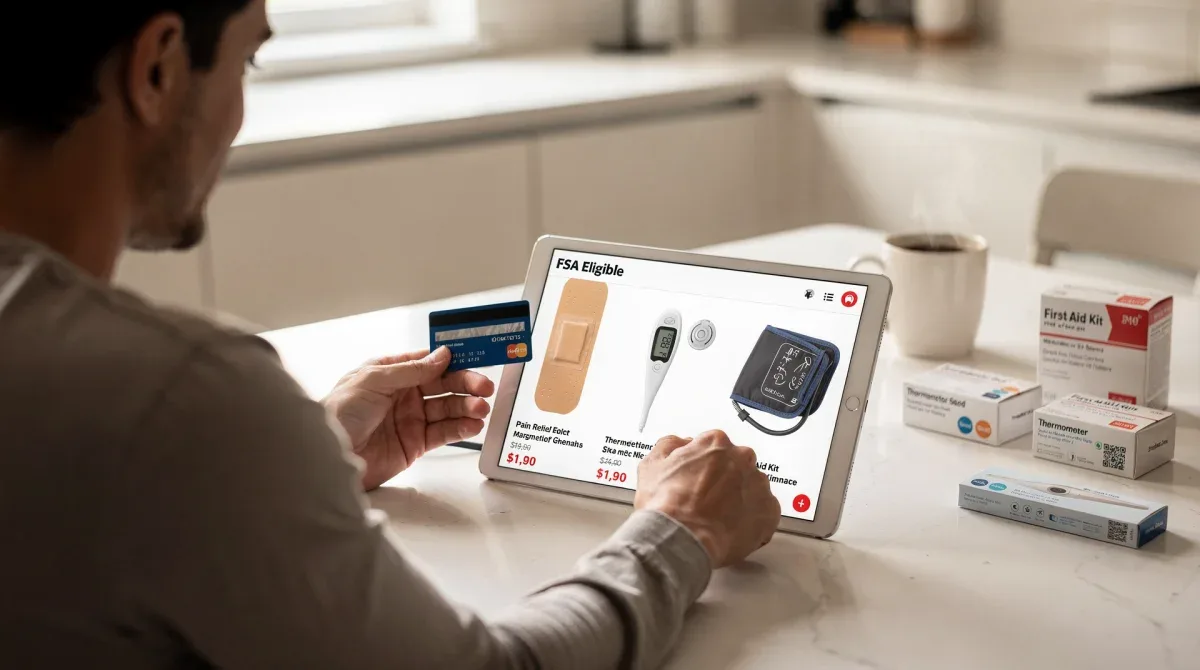
Many online retailers and pharmacies now clearly label FSA-eligible products, simplifying the shopping process. Some even offer dedicated FSA stores. Utilizing these resources can make it easier to find qualifying items and ensure proper documentation for reimbursement.
Tips for Last-Minute Spending
- Schedule a dental check-up or eye exam you've been putting off.
- Stock up on prescription refills or over-the-counter medications.
- Purchase a new pair of prescription glasses or contact lenses.
- Consider durable medical equipment like blood pressure monitors or heating pads.
Don't wait until the final days to make your purchases. Shipping delays or unexpected issues can arise, jeopardizing your ability to spend your remaining $660 Health Care FSA rollover before March 15. Aim to complete all expenditures well in advance of the deadline.
Remember to keep all receipts and documentation for your purchases. This is crucial for reimbursement claims and for demonstrating that your expenses were eligible. Proper record-keeping is a fundamental aspect of managing your FSA effectively.
Common Pitfalls and How to Avoid Them
Despite the clear guidelines, many individuals encounter common pitfalls when trying to spend their FSA rollover. These often stem from a lack of awareness, procrastination, or misunderstanding of eligible expenses. Avoiding these issues is critical to preserving your funds.
One significant pitfall is simply forgetting the deadline. March 15 can sneak up quickly, especially for those not regularly checking their FSA balance. Setting reminders and actively planning expenditures can prevent this oversight. Procrastination is the enemy when you must spend your remaining $660 Health Care FSA rollover before March 15.
Another common mistake is assuming certain items are eligible when they are not. Always double-check the IRS guidelines or your plan's specific list of eligible expenses. Misspending funds on non-eligible items can lead to complications and potential penalties.
Ensuring Proper Documentation for Reimbursement
Accurate record-keeping is paramount for FSA reimbursements. Failing to keep detailed receipts or submitting incomplete documentation can delay or even deny your claims. This can be a frustrating experience, especially when you are trying to spend your remaining $660 Health Care FSA rollover before March 15.
Always request an itemized receipt that clearly shows the date of service, the provider's name, the service or product description, and the amount charged. For prescriptions, ensure the receipt includes the prescription number and drug name. Digital copies are often accepted and can be easier to manage.
Many FSA administrators offer mobile apps or online portals where you can upload receipts and track your claims. Utilizing these tools can streamline the reimbursement process and provide a clear overview of your spending. This helps in proving you did spend FSA rollover funds appropriately.
The Impact of Unspent FSA Funds
The forfeiture of unspent FSA funds is a significant financial loss for individuals. These are pre-tax dollars that you have elected to set aside, meaning they were deducted from your paycheck before taxes. Losing them means losing money you worked hard to earn and save for your health.
Forfeited funds essentially become a loss for the employee, benefiting the employer or the plan administrator, depending on the plan's structure. This underscores the importance of understanding why you must spend your remaining $660 Health Care FSA rollover before March 15. It's your money, and you deserve to use it.
Beyond the direct financial loss, there's also the missed opportunity to address health needs that could have been covered. This can lead to delaying necessary medical care, which might have adverse long-term health and financial consequences. The goal is to spend FSA rollover funds completely.
Preventing Future Forfeitures
To avoid similar situations in future plan years, it is advisable to regularly monitor your FSA balance. Many FSA administrators send out reminders as the plan year end approaches. Pay attention to these communications and take action promptly.
Consider adjusting your FSA contribution for the upcoming year based on your past spending habits. If you consistently have a significant rollover or forfeit funds, you might be contributing too much. Conversely, if you frequently run out, you might need to increase your contributions.
Educating yourself about FSA rules and eligible expenses is an ongoing process. Tax laws and plan provisions can change, so staying informed is crucial for maximizing your benefits year after year. This vigilance helps ensure you won't need to rush to spend your remaining $660 Health Care FSA rollover before March 15 again.
Comparing FSA Rollover with HSA Benefits
While discussing the urgency to spend your FSA rollover, it's also valuable to briefly compare it with Health Savings Accounts (HSAs). Both are tax-advantaged accounts for healthcare expenses, but they operate with fundamental differences regarding rollovers and flexibility.
HSAs, unlike FSAs, are completely portable and the funds never expire. Money contributed to an HSA rolls over year after year and can even be invested, growing tax-free. This offers a stark contrast to the strict deadlines associated with FSAs, including the need to spend your remaining $660 Health Care FSA rollover before March 15.
Eligibility for an HSA requires enrollment in a High-Deductible Health Plan (HDHP). While FSAs are generally more accessible, the long-term savings potential and flexibility of an HSA are often seen as superior for those who qualify. Understanding these differences can inform future benefit choices.
Making Informed Benefit Decisions
The choice between an FSA and an HSA, or utilizing both if eligible (through a Limited Purpose FSA), depends on individual health needs, financial situation, and employer-sponsored plans. Each has its advantages and limitations, especially concerning deadlines like the one for FSA rollovers.
For those currently utilizing an FSA, the immediate concern is to spend your remaining $660 Health Care FSA rollover before March 15. However, looking ahead, evaluating whether an HSA might be a better fit for your long-term financial and health planning can be beneficial. Consult with a financial advisor or HR representative for personalized guidance.
Understanding the nuances of each account type empowers you to make the most informed decisions about your healthcare savings. It helps in proactively managing your health expenses and avoiding situations where you lose hard-earned money. This knowledge is key to financial well-being.

Leveraging Employer Resources and Support
Many employers provide resources and support to help employees manage their Health Care FSAs effectively. These can include dedicated HR staff, online portals, or even financial wellness programs. Leveraging these resources can simplify the process of spending your remaining $660 Health Care FSA rollover before March 15.
Your HR department or benefits administrator is an excellent first point of contact for any questions regarding your FSA balance, eligible expenses, or the March 15 deadline. They can provide specific details about your plan's provisions and guide you through the reimbursement process. Do not hesitate to reach out for clarification.
Some companies also host informational sessions or provide guides to help employees understand their benefits better. Participating in these initiatives can enhance your knowledge and ensure you are making the most of your FSA. Being informed is a key step to spend FSA rollover funds wisely.
Utilizing Online Portals and Tools
Most FSA administrators offer user-friendly online portals and mobile applications. These platforms allow you to check your balance, submit claims, track reimbursements, and access lists of eligible expenses. Regularly checking these tools can keep you on track to spend your remaining $660 Health Care FSA rollover before March 15.
These digital tools often include features like personalized alerts or spending calculators, which can be invaluable for managing your funds. Familiarize yourself with your administrator's online resources to streamline your FSA management. This proactive engagement is crucial for timely utilization.
Moreover, many FSA administrators have customer service lines available to assist with specific inquiries. If you encounter any issues or have complex questions, speaking directly with a representative can provide the clarity you need. This support system is designed to help you succeed in spending your remaining $660 Health Care FSA rollover before March 15.
| Key Point | Brief Description |
|---|---|
| Deadline Urgency | March 15 is the hard cutoff to spend the $660 Health Care FSA rollover to avoid forfeiture. |
| Eligible Expenses | Wide range of medical, dental, and vision items/services qualify for FSA funds. |
| Strategic Planning | Check balance, identify needs, and make purchases well before the deadline. |
| Avoid Forfeiture | Proactive spending prevents loss of pre-tax dollars and maximizes benefits. |
Frequently Asked Questions About FSA Rollovers
What exactly is the $660 Health Care FSA rollover?▼The $660 Health Care FSA rollover is the maximum amount of unspent funds from your previous plan year (typically 2023) that your employer's FSA plan allows you to carry over into the current year (2024). This provision helps prevent the complete forfeiture of funds under the traditional "use-it-or-lose-it" rule.
Why is March 15 so important for my FSA funds?▼March 15 is a critical deadline because it typically marks the end of the grace period or the final date by which you must spend any rolled-over Health Care FSA funds from the prior year. If these funds are not used by this specific date, they will be forfeited, and you will lose access to them.
What types of expenses are eligible to spend my FSA rollover on?▼Eligible expenses for your FSA rollover include a broad range of qualified medical, dental, and vision care items and services. This can encompass prescription medications, doctor co-pays, eyeglasses, contact lenses, dental work, and even many over-the-counter health products. Always check your plan's specific list.
What happens if I don't spend my remaining $660 by March 15?▼If you fail to spend your remaining $660 Health Care FSA rollover by the March 15 deadline, those unspent funds will be forfeited. This means you will lose the money you set aside pre-tax, and it will no longer be available for your healthcare expenses. It is crucial to act before this date.
How can I track my FSA balance and eligible expenses?▼You can track your FSA balance and review eligible expenses through your FSA administrator's online portal or mobile app. These platforms provide real-time access to your account information, allowing you to monitor spending, submit claims, and view a comprehensive list of what qualifies under your plan. Contact your HR department for access details.
What this means
The impending March 15 deadline to spend your remaining $660 Health Care FSA rollover underscores the importance of proactive financial management in healthcare. This situation highlights the need for beneficiaries to stay informed about their benefits, actively track their account balances, and strategically plan their eligible expenditures. Failure to act results in direct financial loss, emphasizing the value of understanding and utilizing all available resources. Looking ahead, this serves as a reminder to consistently review FSA contributions and explore alternative tax-advantaged accounts like HSAs for long-term health savings.