Immigration Reform: New Executive Orders Issued, Visa Processing Times
Advertisements
Latest developments on Immigration Reform: New Executive Orders Issued, Affecting Visa Processing Times by Up to 3 Months, with key facts, verified sources and what readers need to monitor next in Estados Unidos, presented clearly in Inglês (Estados Unidos) (en-US).
Immigration Reform: New Executive Orders Issued, Affecting Visa Processing Times by Up to 3 Months is shaping today’s agenda with new details released by officials and industry sources. This update prioritizes what changed, why it matters and what to watch next, in a straightforward news format.
The Biden administration has recently unveiled a series of executive orders aimed at comprehensive Immigration Reform: New Executive Orders Issued, Affecting Visa Processing Times by Up to 3 Months. These directives are poised to significantly alter the landscape of U.S. immigration, impacting various visa categories and application processing timelines. The changes reflect a strategic shift in policy, focusing on both border security and efficiency within the immigration system.
These new executive orders introduce specific operational adjustments within relevant agencies, primarily U.S. Citizenship and Immigration Services (USCIS) and the Department of State. Initial assessments suggest that these changes could extend visa processing times by up to three months for certain applications, a development that has prompted immediate concern among applicants and legal professionals alike.
The administration emphasizes that these measures are designed to streamline processes in the long term, despite the immediate challenges. The focus remains on creating a more orderly and humane immigration system, addressing backlogs, and improving national security protocols. The full scope of these changes and their long-term implications are still being evaluated.
Understanding the New Executive Orders on Immigration Reform
The recent executive orders mark a pivotal moment in U.S. immigration policy, introducing a cascade of modifications across various visa programs. These directives stem from a broader strategy to recalibrate immigration enforcement and processing, aiming for greater efficiency and equity while addressing pressing humanitarian concerns. Understanding the specifics of these orders is crucial for anyone navigating the U.S. immigration system.
These orders address several key areas, including border management, asylum processing, and the mechanisms for legal immigration. The administration has articulated a dual goal: to secure the nation’s borders more effectively and to ensure that legal pathways for immigration are both accessible and expeditious. However, the immediate impact suggests an increase in processing times for many applicants.
The directives are complex, involving multiple federal agencies and requiring significant operational adjustments. The Department of Homeland Security (DHS) and the Department of State (DOS) are at the forefront of implementing these changes, which will inevitably affect how visa applications are reviewed and adjudicated. The implications for visa processing times are a primary concern for many.
Key Provisions and Immediate Impacts
Among the most notable provisions is the directive to review and potentially revise certain expedited processing programs. This review is intended to ensure that resources are allocated efficiently, but it could lead to slower processing for applications that previously benefited from faster adjudication. The goal is to reduce overall backlogs, though the short-term effect may be increased wait times across the board.
Another significant aspect involves enhanced scrutiny for certain visa categories, particularly those related to employment-based and family-sponsored immigration. While the administration maintains that these measures are for national security and integrity, they inherently add layers of review that can prolong the decision-making process. These changes contribute directly to the projected delays in visa processing.
- Increased review periods for specific visa types, including H-1B, L-1, and certain family-based petitions.
- Expanded use of interviews and requests for evidence (RFEs), requiring more detailed documentation from applicants.
- Reallocation of resources within USCIS and DOS, potentially shifting personnel to priority areas, which could impact other processing queues.
- Pilot programs for new digital processing tools, which are intended to improve efficiency but may initially cause integration challenges.
These immediate impacts are being closely monitored by immigration advocacy groups and legal experts. The balance between enhanced security and maintaining accessible immigration pathways remains a critical point of discussion. The administration has committed to transparency, promising regular updates on the implementation of these new policies.
Projected Delays and Affected Visa Categories
The most immediate and tangible consequence of the new executive orders is the projected increase in visa processing times, potentially extending up to three months. This delay is not uniform across all visa types but is expected to disproportionately affect certain categories, creating significant challenges for individuals and families planning their futures in the United States. Understanding which categories are most impacted is vital for applicants.
Officials have indicated that the delays are a temporary byproduct of implementing new protocols and reallocating resources to align with the administration’s strategic priorities. While the long-term goal is to enhance efficiency, the short-term reality involves longer waits for many. This situation necessitates careful planning and realistic expectations for all involved parties.
The anticipated three-month extension in processing times could have cascading effects, from disrupting travel plans and employment opportunities to delaying family reunifications. Applicants are advised to consult official government websites and legal counsel for the most up-to-date information regarding their specific visa categories and potential processing delays.
Visa Categories Experiencing the Longest Delays
Employment-based visas, such as H-1B, L-1, and O-1, are among those expected to face significant delays. The increased scrutiny and enhanced review processes mandated by the executive orders mean that petitions for these visas will likely take longer to adjudicate. Businesses relying on international talent may need to adjust their hiring timelines and strategies accordingly.
Family-sponsored visas, including those for spouses, children, and parents of U.S. citizens and permanent residents, are also anticipated to experience extended processing times. These categories often involve extensive background checks and documentation, which the new directives aim to strengthen. The delays could prolong the separation of families, a major concern for many.
- H-1B Visas: Increased scrutiny on specialized occupation requirements and employer-employee relationships.
- Family-Sponsored Visas (e.g., F2A, F4): More rigorous review of familial relationships and sponsor eligibility.
- Adjustment of Status Applications: Potential delays in the final adjudication of green card applications, particularly for those with complex immigration histories.
- Asylum and Refugee Cases: While not strictly visa categories, these cases will also see procedural changes and potential interview backlogs.
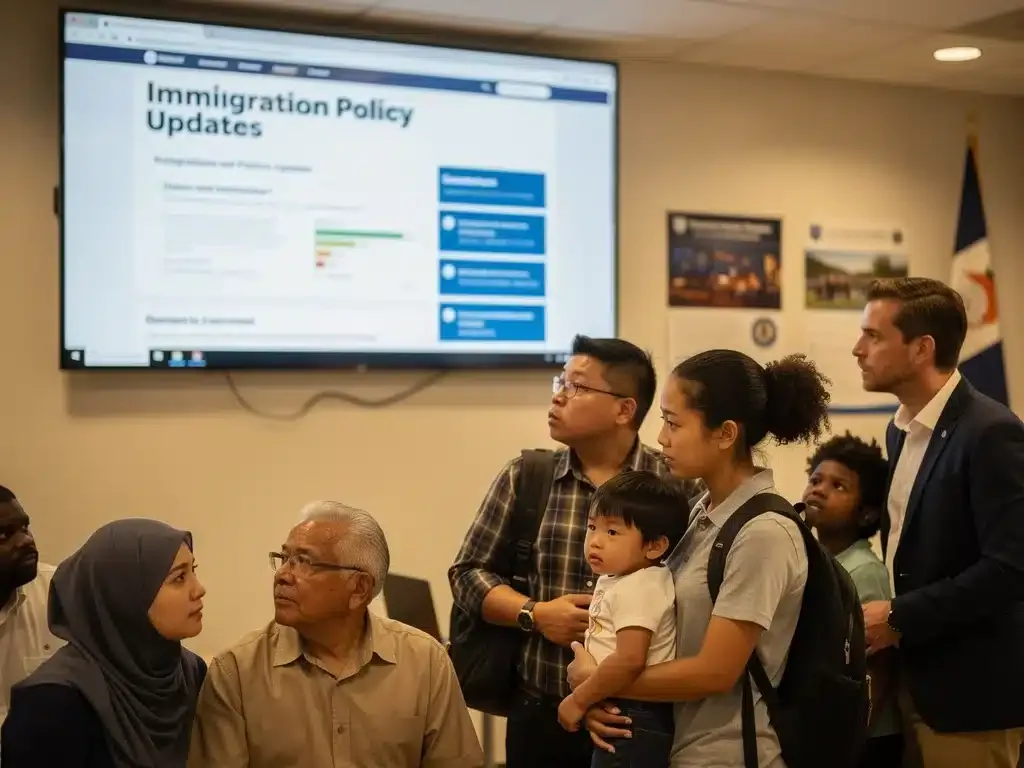
These targeted delays underscore the administration’s commitment to a more thorough vetting process. While the intent is to ensure the integrity of the immigration system, the practical outcome for many will be a prolonged wait. Stakeholders are urged to prepare for these longer processing periods and seek professional guidance to navigate the evolving requirements.
Impact on Applicants and Businesses
The ripple effects of the extended visa processing times will be felt broadly, impacting both individual applicants and U.S. businesses that rely on foreign talent. For individuals, these delays translate into uncertainty, stalled life plans, and increased financial burdens. The emotional toll of prolonged separation from family or delayed career opportunities cannot be understated.
Businesses, particularly those in sectors heavily dependent on skilled international workers, will face operational challenges. Project timelines may be disrupted, and competitive advantages could be jeopardized if key personnel cannot secure their visas in a timely manner. This situation demands proactive strategies from employers to mitigate potential negative consequences.
The economic implications are also significant, as delays in immigration can affect innovation, investment, and job creation. The administration acknowledges these concerns and states that efforts are underway to balance security imperatives with economic needs. However, the immediate future presents a period of adjustment for many.
Challenges for Individuals and Families
Individual applicants may experience significant stress due to the uncertainty surrounding their immigration status. Delays in visa processing mean that travel plans, educational pursuits, and employment opportunities are put on hold, often indefinitely. This can lead to financial strain, as applicants may incur additional costs for housing, legal fees, and maintaining their status.
Families awaiting reunification will particularly feel the impact. The extended wait times can mean months or even years of separation, affecting children, spouses, and elderly parents. This aspect of the Immigration Reform: New Executive Orders Issued, Affecting Visa Processing Times by Up to 3 Months highlights the human element behind policy changes.
- Emotional distress and anxiety due to prolonged uncertainty.
- Financial hardship from extended stays in home countries or additional legal costs.
- Disruption of education and career advancement plans.
- Separation from family members for extended periods.
These challenges require applicants to be more resilient and informed than ever. Staying updated on the latest policy changes and maintaining open communication with legal representatives will be crucial for navigating these complex times. The human cost of these delays is a significant consideration for policymakers.
Government’s Rationale and Long-Term Goals
The Biden administration has provided a clear rationale behind the new executive orders, framing them as essential steps towards a more secure, efficient, and humane immigration system. The government asserts that these measures are not merely about imposing restrictions but about rectifying systemic inefficiencies and addressing evolving national security concerns. Understanding this underlying philosophy is key to grasping the trajectory of future immigration policies.
The long-term goals extend beyond immediate processing adjustments. The administration aims to reduce the existing backlog of immigration cases, enhance the integrity of the asylum system, and modernize technological infrastructure across immigration agencies. These ambitious objectives are expected to yield a more predictable and streamlined process once initial implementation hurdles are overcome.
Officials emphasize that the current delays are a temporary phase, necessary for laying the groundwork for sustainable improvements. The commitment is to build an immigration framework that is both robust and fair, capable of responding to national needs while upholding humanitarian values. This vision underscores the transformative nature of the current Immigration Reform: New Executive Orders Issued, Affecting Visa Processing Times by Up to 3 Months.
Addressing Systemic Issues and Enhancing Security
A primary driver for these executive orders is the need to address long-standing systemic issues within the U.S. immigration apparatus. Decades of underinvestment and fragmented policies have led to significant backlogs and inefficiencies, which the new directives seek to rectify. By re-evaluating existing procedures, the administration hopes to create a more agile and responsive system.
National security remains a paramount concern, and the executive orders incorporate enhanced vetting procedures and intelligence sharing mechanisms. These measures are designed to prevent threats and ensure that all individuals entering the country undergo thorough background checks. The balance between security and accessibility is a delicate one that the administration is actively attempting to strike.
- Modernization of IT systems within USCIS and DOS to improve data management and application tracking.
- Increased funding for border enforcement and processing infrastructure.
- Implementation of new training programs for immigration officers to ensure consistent and fair adjudication.
- Strategic partnerships with international organizations to address root causes of migration and manage refugee flows more effectively.
The government’s long-term vision is one of an immigration system that is both secure and capable of meeting the nation’s economic and social needs. While the immediate focus is on managing the current influx and implementing new protocols, the ultimate aim is to create a durable framework that can withstand future challenges and adapt to changing global dynamics.
Navigating the Changes: Advice for Applicants
Given the significant changes introduced by the new executive orders and the projected increase in visa processing times, applicants must adopt a proactive and informed approach. Navigating this evolving landscape requires careful planning, meticulous preparation, and a clear understanding of updated requirements. Proactive engagement with official resources and legal counsel is more critical than ever.
For those currently in the application process or contemplating future immigration to the U.S., staying updated on policy developments is paramount. The fluidity of the situation means that guidelines can change, and being aware of these shifts can prevent costly delays or missteps. Reliable information from official government sources should be prioritized over speculative reports.
The complexity of these new directives often necessitates professional guidance. Consulting with an experienced immigration attorney or accredited representative can provide invaluable support, helping applicants understand their specific situation and navigate the intricate legal framework. Their expertise can be crucial in mitigating the impact of the Immigration Reform: New Executive Orders Issued, Affecting Visa Processing Times by Up to 3 Months.
Essential Steps for Current and Future Applicants
One of the most crucial steps is to gather all required documentation well in advance and ensure its accuracy and completeness. Applications with missing or incorrect information are prime candidates for delays, especially under the new, more stringent review processes. Double-checking every detail can save significant time and frustration.
Applicants should also prepare for potential requests for additional evidence (RFEs) or interviews. The new executive orders emphasize thorough vetting, meaning that immigration officers may request more information or conduct more extensive interviews. Being prepared to respond promptly and comprehensively can help expedite the process.
- Regularly check the official websites of USCIS and the Department of State for the latest updates and processing times.
- Consult with an immigration attorney to understand how the new executive orders specifically impact your case.
- Organize all required documents meticulously and keep copies of everything submitted.
- Be prepared for longer wait times and adjust personal and professional plans accordingly.
- Maintain open communication with your legal representative and respond promptly to all official communications.
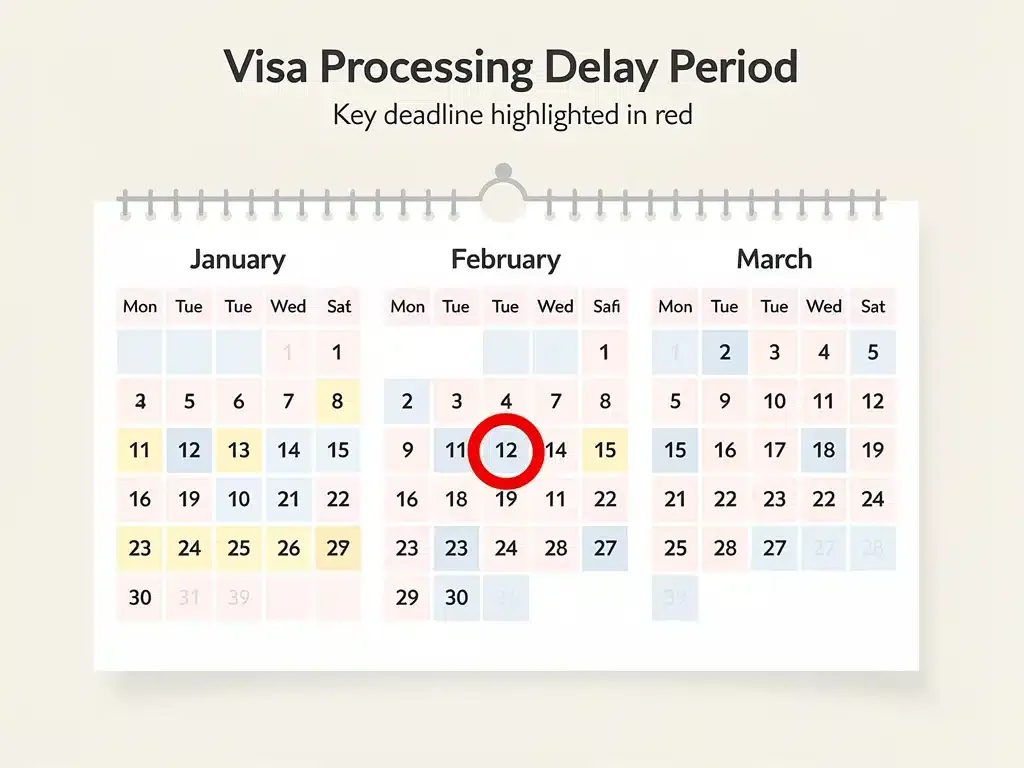
By taking these proactive steps, applicants can better position themselves to navigate the challenges posed by the new executive orders. While delays are anticipated, a well-prepared and informed approach can help minimize adverse impacts and ensure a smoother application journey. The landscape of U.S. immigration is dynamic, and adaptability is key.
Expert Analysis and Future Outlook
Immigration experts and legal scholars are actively analyzing the implications of the new executive orders, offering critical insights into their potential long-term effects. The consensus suggests that while the immediate impact involves processing delays, the administration’s stated goals point towards a more structured and potentially more efficient system in the future. However, the path to that future is fraught with challenges.
Analysts emphasize that the success of these reforms hinges on effective implementation and adequate resource allocation. Without sufficient funding and personnel, the intended improvements could be undermined, leading to prolonged backlogs rather than resolution. The upcoming months will be critical in assessing the true efficacy of these directives and how they manage the Immigration Reform: New Executive Orders Issued, Affecting Visa Processing Times by Up to 3 Months.
The future outlook remains a subject of ongoing debate, with some experts predicting a period of sustained adjustment, while others anticipate a gradual stabilization of processing times once the new systems are fully integrated. All agree that stakeholders must remain vigilant and adaptable to the evolving policy environment.
Predictions and Potential Scenarios
One common prediction is that the initial three-month delay could be an optimistic estimate for some complex cases, potentially extending further if agencies struggle with the new workload. This scenario would place additional strain on applicants and businesses, necessitating more robust contingency planning. The volume of applications and the complexity of individual cases will play a significant role in actual wait times.
Conversely, some experts suggest that the enhanced focus on modernization and efficiency could eventually lead to faster processing times than before the executive orders. If new digital tools and streamlined procedures are successfully implemented, the system could become more responsive. This positive scenario depends heavily on technological advancements and effective inter-agency coordination.
- Scenario 1: Prolonged delays beyond three months due to implementation challenges and resource constraints.
- Scenario 2: Gradual stabilization and eventual improvement in processing times as new systems become operational.
- Scenario 3: A bifurcated system where some priority cases are expedited, while others face significant backlogs.
- Scenario 4: Increased legal challenges to specific provisions of the executive orders, potentially leading to court-ordered injunctions or modifications.
The range of potential outcomes highlights the inherent uncertainty in large-scale policy reforms. Stakeholders are advised to monitor official pronouncements, court decisions, and expert analyses closely to understand the most likely trajectory. The evolving nature of Immigration Reform: New Executive Orders Issued, Affecting Visa Processing Times by Up to 3 Months demands continuous attention and adaptability from all parties involved.
| Key Aspect | Description |
|---|---|
| Policy Focus | Comprehensive Immigration Reform: New Executive Orders Issued, Affecting Visa Processing Times by Up to 3 Months |
| Immediate Impact | Visa processing times extended by up to three months for certain categories. |
| Affected Categories | Employment-based (H-1B, L-1) and family-sponsored visas primarily. |
| Government Rationale | Systemic efficiency, national security, and humane immigration processes. |
Frequently Asked Questions About Immigration Reform
What exactly are the new executive orders on immigration reform?▼The new executive orders are a series of directives from the Biden administration aimed at overhauling various aspects of the U.S. immigration system. They address border management, asylum procedures, and most notably, visa processing protocols. These orders are intended to streamline processes and enhance national security measures.
How long will visa processing times be affected?▼Initial projections indicate that visa processing times could be extended by up to three months for certain categories. This is a temporary measure as new protocols are implemented and resources are reallocated. The actual duration of delays may vary depending on the visa type and the complexity of individual cases.
Which visa categories are most impacted by these changes?▼Employment-based visas (such as H-1B, L-1, and O-1) and various family-sponsored visas are expected to experience the most significant delays. These categories often involve extensive documentation and background checks, which are now subject to enhanced scrutiny under the new executive orders.
What should applicants do to prepare for these delays?▼Applicants should meticulously gather all required documentation, ensure its accuracy, and be prepared for potential requests for additional evidence or interviews. Regularly checking official USCIS and Department of State websites for updates and consulting with an experienced immigration attorney are also highly recommended.
What are the long-term goals of this immigration reform?▼The administration’s long-term goals include reducing existing backlogs, enhancing the integrity of the asylum system, and modernizing technological infrastructure within immigration agencies. The aim is to create a more efficient, secure, and humane immigration system that can better serve national needs and uphold humanitarian values.
What Happens Now
The recent executive orders on Immigration Reform: New Executive Orders Issued, Affecting Visa Processing Times by Up to 3 Months signify a dynamic period for U.S. immigration policy. The immediate future will see ongoing adjustments in processing centers and a continued need for vigilance from applicants and businesses. It is crucial to monitor official pronouncements from USCIS and the Department of State, as further guidance and clarifications are expected. The effectiveness of these reforms will be measured not only by their impact on visa processing times but also by their broader success in creating a more resilient and equitable immigration system. This evolving landscape demands informed action and adaptability from all stakeholders.