Healthcare Reform: 3 Major ACA Updates This Month
Advertisements
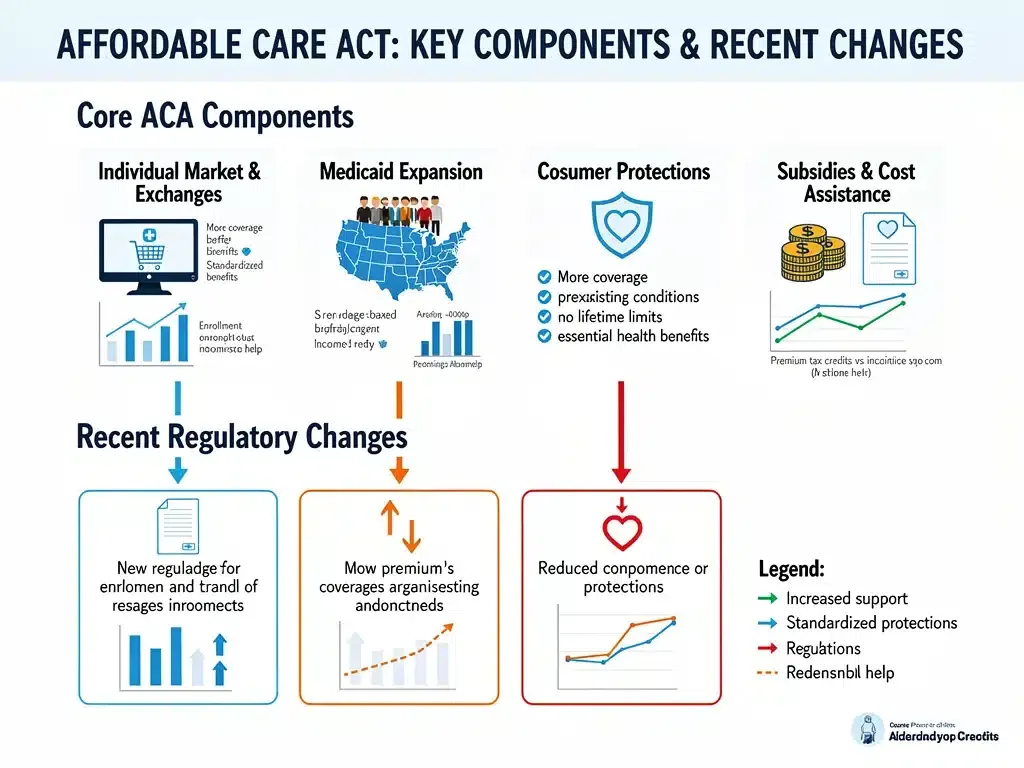
Latest Healthcare Reform Updates bring significant changes to Affordable Care Act regulations. This month, three major updates have been announced, impacting various aspects of health coverage in the United States. We delve into these crucial developments, providing context and expert analysis.
The landscape of American healthcare is continuously evolving, with significant policy shifts often emerging from Washington D.C. This month, the focus is squarely on the Healthcare Reform Updates, specifically three major adjustments to the Affordable Care Act (ACA) regulations that have just been announced. These changes carry substantial implications for insurers, providers, and millions of Americans who rely on the ACA for their health coverage.
Understanding these developments is crucial for anyone navigating the complex world of healthcare in the United States. Our aim is to provide a clear, factual, and timely overview of these critical Healthcare Reform Updates, offering verified analysis and context to help you comprehend their immediate and long-term effects. We will examine the specifics of each update, discuss their potential impacts, and outline what you need to know to stay informed.
The announced regulatory changes stem from ongoing efforts to refine and adapt the ACA to current healthcare needs and economic realities. These adjustments reflect a dynamic policy environment, where continuous evaluation and modification are commonplace. This report cuts through the noise, delivering the essential details of these pivotal Healthcare Reform Updates directly to you.
Key Adjustments to ACA Marketplace Subsidies
One of the most significant Healthcare Reform Updates involves adjustments to the advanced premium tax credits, or subsidies, available through the ACA marketplaces. These changes are designed to enhance affordability for a broader range of income levels, potentially reducing out-of-pocket costs for many enrollees.
Officials have confirmed that the new subsidy calculations will take effect for the upcoming open enrollment period, impacting how individuals and families qualify for financial assistance. This move is expected to attract more people to the marketplace, particularly those who previously found coverage unaffordable.
The Department of Health and Human Services (HHS) released detailed guidance on these updated subsidy rules, providing clarity for states and insurers. This ensures a consistent application of the new regulations across all federal and state-based marketplaces, streamlining the enrollment process.
Expanded Eligibility and Increased Assistance
The revised subsidy structure expands eligibility to a higher percentage of the federal poverty level, ensuring that more middle-income households can access financial aid. This directly addresses concerns about the affordability cliff, where individuals earning just above previous thresholds lost all subsidy eligibility.
Furthermore, for those already receiving subsidies, the assistance levels have been increased, leading to lower net premium costs. This aims to alleviate financial burdens, making comprehensive health insurance more accessible and sustainable for a greater number of Americans.
- New income thresholds for subsidy eligibility have been implemented.
- Current enrollees may see a reduction in their monthly premium payments.
- The changes are projected to bring millions more into the subsidized coverage bracket.
New Requirements for Essential Health Benefits Coverage
Another critical aspect of the recent Healthcare Reform Updates focuses on refining the definition and coverage of Essential Health Benefits (EHBs) under the ACA. These updates aim to ensure that plans offered through the marketplace provide robust and comprehensive coverage, particularly in areas like mental health and prescription drugs.
The new regulations mandate clearer standards for what constitutes an EHB, reducing ambiguity and ensuring that consumers receive the benefits they expect. This is a direct response to concerns about variations in coverage across different plans and states, aiming for greater uniformity.
HHS has emphasized that these changes are intended to strengthen consumer protections and improve access to vital healthcare services. The updates reflect an ongoing commitment to the foundational principles of the ACA, ensuring quality and comprehensive care for all enrollees.
Strengthening Mental Health and Substance Use Disorder Parity
A significant part of these EHB updates involves strengthening parity requirements for mental health and substance use disorder services. The new rules aim to ensure that coverage for these services is no more restrictive than for medical and surgical benefits, a long-standing goal of healthcare advocates.
Insurers are now required to demonstrate greater transparency in how they apply medical management techniques to mental health benefits, preventing discriminatory practices. This move is crucial for addressing the nation’s growing mental health crisis and ensuring equitable access to care.
- Enhanced oversight for mental health and substance use disorder benefits.
- Clearer guidelines for what constitutes adequate coverage under EHBs.
- Increased transparency requirements for insurers regarding benefit administration.
Streamlined Enrollment and Special Enrollment Periods
The third major development in the latest Healthcare Reform Updates concerns improvements to the enrollment process and the criteria for Special Enrollment Periods (SEPs). These changes are designed to make it easier for individuals to sign up for coverage and to ensure that life-changing events trigger appropriate opportunities to enroll.
Officials have announced enhancements to the HealthCare.gov platform, aiming for a more user-friendly and intuitive experience for applicants. The goal is to reduce barriers to enrollment, particularly for those who may be new to the marketplace or have complex circumstances.
Furthermore, the regulations clarify and, in some cases, expand the qualifying events for SEPs, ensuring that individuals who lose coverage or experience other significant life changes can access new plans without undue delay. This provides a vital safety net for many Americans.
Simplifying the Application Process
The new guidelines emphasize a more streamlined application process, reducing the amount of documentation required upfront and leveraging existing data sources where possible. This is expected to cut down on application processing times and reduce frustration for consumers seeking coverage.
Technological improvements to the marketplace website aim to guide users more effectively through their options, offering personalized recommendations based on their needs and eligibility. The focus is on making health insurance accessible and understandable for everyone.
- Reduced bureaucratic hurdles for marketplace enrollment.
- Expanded criteria for qualifying for Special Enrollment Periods.
- Technological updates to HealthCare.gov for improved user experience.
Impact on Healthcare Providers and Insurers
These Healthcare Reform Updates are not only significant for consumers but also have profound implications for healthcare providers and insurance companies. Insurers will need to adapt their plan offerings and administrative processes to comply with the new subsidy calculations and EHB requirements, ensuring they meet regulatory standards.
Providers, in turn, may see shifts in patient demographics and an increased demand for certain services, particularly those falling under the strengthened EHB mandates. This could necessitate adjustments in staffing, resource allocation, and care coordination strategies to accommodate the evolving patient base.
The regulatory changes also introduce new reporting and compliance obligations for both insurers and providers. Adhering to these updated rules will be crucial to avoid penalties and maintain good standing within the ACA framework, underscoring the dynamic nature of Healthcare Reform Updates.
Navigating New Compliance Standards
Insurance carriers are now tasked with updating their systems to accurately reflect the new subsidy structures and EHB definitions. This includes re-evaluating their plan designs, adjusting premium calculations, and ensuring their marketing materials clearly communicate the available benefits.
For healthcare providers, the emphasis on mental health parity and comprehensive EHB coverage means a renewed focus on integrated care models. This could lead to greater collaboration between primary care physicians and specialists, particularly in behavioral health, to meet the holistic needs of patients covered under these Healthcare Reform Updates.
The regulatory environment demands continuous monitoring and adaptation, as these Healthcare Reform Updates signal an ongoing commitment to refining the ACA’s operational aspects. Both insurers and providers must remain agile to successfully navigate these evolving requirements.
Public and Political Reactions to the Updates
The announcement of these Healthcare Reform Updates has elicited a range of reactions from various stakeholders, including consumer advocacy groups, healthcare industry associations, and political figures. Consumer advocates have largely lauded the changes, particularly the expanded subsidy eligibility, viewing them as a step towards greater healthcare equity and affordability.
Industry associations representing insurers and providers have acknowledged the need for adaptation, with some expressing concerns about the administrative burden and potential impacts on market stability. However, many also recognize the importance of these updates in maintaining a viable and robust healthcare system.
Politically, the updates have sparked renewed debate, with proponents highlighting the benefits for millions of Americans and critics questioning the long-term fiscal implications. These reactions underscore the enduring significance and often contentious nature of Healthcare Reform Updates in the United States.
Advocacy for Continued Access
Consumer groups are actively monitoring the implementation of these Healthcare Reform Updates, advocating for clear communication and support for enrollees. Their focus is on ensuring that the intended benefits of expanded subsidies and improved EHBs translate into tangible improvements in access and affordability for individuals.
They are also pushing for ongoing public education campaigns to inform eligible individuals about the new opportunities for coverage and financial assistance. This proactive approach aims to maximize the reach and impact of these regulatory adjustments, ensuring no one is left behind.
- Consumer groups praise expanded access and affordability.
- Industry expresses mixed reactions, balancing benefits with operational challenges.
- Political discourse continues, reflecting ongoing debate over ACA’s future.

Future Outlook for ACA Regulations
These recent Healthcare Reform Updates are part of a broader, ongoing process of refining and strengthening the Affordable Care Act. It is anticipated that further adjustments and clarifications will continue to emerge as the healthcare landscape evolves and new data becomes available, ensuring the ACA remains responsive to the needs of the population.
Policymakers are likely to continue evaluating the impact of these changes on marketplace enrollment, premium costs, and health outcomes. This continuous assessment will inform future decisions and potential legislative actions, shaping the trajectory of healthcare reform for years to come.
The dynamic nature of healthcare policy means that stakeholders must remain vigilant and informed about upcoming proposals and regulatory shifts. Staying abreast of these developments is crucial for individuals, providers, and insurers alike, as the future of healthcare in the U.S. continues to unfold with more Healthcare Reform Updates.
Potential for Further Legislative Action
While these updates are regulatory, the possibility of future legislative action remains a constant factor in healthcare reform. Depending on the political climate and the demonstrated effectiveness of current changes, Congress could introduce new bills to further modify or expand the ACA.
Such legislative efforts could build upon these regulatory Healthcare Reform Updates, addressing areas that require statutory changes rather than administrative adjustments. This interplay between regulatory and legislative action defines the complex pathway of healthcare policy development in the nation.
Understanding this intricate relationship is key to anticipating future directions and potential impacts on the healthcare system. The ongoing dialogue and policy discussions will undoubtedly lead to more Healthcare Reform Updates in the coming months and years.
| Key Update | Brief Description |
|---|---|
| Subsidy Adjustments | Expanded eligibility and increased financial assistance for ACA marketplace plans. |
| Essential Health Benefits | Strengthened definitions and parity requirements, especially for mental health. |
| Enrollment Processes | Streamlined application and expanded Special Enrollment Period criteria. |
| Impact on Stakeholders | Insurers and providers face new compliance and adaptation requirements. |
Frequently Asked Questions on Healthcare Reform Updates
What are the main goals of these Healthcare Reform Updates?▼The primary goals are to enhance affordability, strengthen comprehensive coverage, and simplify access to health insurance through the ACA marketplace. These updates aim to reduce financial barriers and ensure essential services, including mental health, are more equitably covered for Americans.
How will the subsidy adjustments impact my monthly premiums?▼If you qualify for subsidies, you may see a reduction in your monthly premium payments due to expanded eligibility and increased financial assistance. It is recommended to re-evaluate your eligibility during the upcoming open enrollment period to determine your specific savings under these Healthcare Reform Updates.
Do these updates affect employer-sponsored health plans?▼Generally, these specific Healthcare Reform Updates primarily target plans offered through the ACA marketplaces. While they might indirectly influence the broader insurance market, the direct regulatory changes mainly apply to individual and small group plans purchased via the ACA exchanges, not typically employer-sponsored plans.
When do these new regulations officially take effect?▼The specific effective dates vary by regulation, but many of the subsidy adjustments and EHB requirements are set to impact the upcoming open enrollment period. It is crucial to check official government sources and your state’s marketplace for precise timelines and implementation details regarding these Healthcare Reform Updates.
Where can I find more detailed information about these changes?▼For comprehensive details, individuals should consult the official websites of the Department of Health and Human Services (HHS) and HealthCare.gov. State-specific marketplaces also provide localized information and resources. These platforms offer the most accurate and up-to-date guidance on these significant Healthcare Reform Updates.
Looking Ahead: Navigating the Evolving Healthcare Landscape
These recent Healthcare Reform Updates signify a continued effort to refine the Affordable Care Act, aiming for greater equity and access within the U.S. healthcare system. The adjustments to subsidies, essential health benefits, and enrollment processes are designed to address existing gaps and improve the overall consumer experience. Stakeholders across the healthcare spectrum, from individuals seeking coverage to providers and insurers, must remain informed and adaptable.
The dynamic nature of healthcare policy dictates that vigilance is key. Future legislative discussions and regulatory interpretations will undoubtedly shape the long-term impact of these changes. Monitoring official announcements and understanding how these Healthcare Reform Updates translate into practical application will be essential for all involved.
Ultimately, these developments underscore a persistent commitment to ensuring that more Americans have access to comprehensive and affordable health coverage. The journey of healthcare reform is ongoing, and these latest updates represent significant milestones in that continuous evolution.