FDA Approves Fast-Track Status for 4 Groundbreaking Alzheimer's Therapies in Nationwide Rollout
Advertisements

Latest developments on FDA Approves Fast-Track Status for 4 Groundbreaking Alzheimer's Therapies in Nationwide Rollout, with key facts, verified sources and what readers need to monitor next in Estados Unidos, presented clearly in Inglês (Estados Unidos) (en-US).
The U.S. Food and Drug Administration (FDA) has officially granted fast-track status to four groundbreaking Alzheimer's therapies, setting the stage for a nationwide rollout. This landmark decision marks a significant turning point in the ongoing battle against Alzheimer's disease, offering renewed hope for millions affected across the United States. This report prioritizes what changed, why it matters, and what to watch next in this critical medical development.
Authorities confirmed new timelines and outlined initial impacts across different regions, with statements from representatives indicating short-term adjustments and a more defined path for upcoming decisions. The fast-track designation is designed to expedite the development and review of drugs that treat serious conditions and fill an unmet medical need, a crucial step for a disease as devastating as Alzheimer's. This move underscores the urgency recognized by regulatory bodies to bring effective treatments to patients faster than ever before.
FDA Accelerates Alzheimer's Drug Development
The FDA's decision to grant fast-track status to four distinct Alzheimer's therapies represents a monumental shift in the approach to combating this neurodegenerative disease. This designation is not merely a bureaucratic formality; it signifies a commitment to accelerating the availability of promising treatments that could dramatically alter the disease's progression.
This initiative will streamline the review process, allowing for more frequent communication between the FDA and drug developers, as well as rolling reviews of submitted data. Such an expedited pathway is critical, given the profound impact Alzheimer's has on patients, families, and the healthcare system. The goal is to ensure that these groundbreaking therapies can reach those in need without unnecessary delays.
The fast-track status is a testament to the potential of these specific therapies, which have demonstrated promising results in early-stage clinical trials. While full approval still requires robust evidence of safety and efficacy, this accelerated pathway suggests a high level of confidence from the FDA in their potential to address a significant unmet medical need.
Understanding Fast-Track Designation
Fast-track designation is a powerful tool within the FDA's regulatory framework, designed to facilitate the development and expedite the review of new drugs. It applies to therapies intended to treat serious conditions and that have the potential to address an unmet medical need. For Alzheimer's, this designation is particularly impactful.
The benefits of fast-track status include opportunities for more frequent meetings with the FDA, eligibility for rolling review (where a drug company can submit completed sections of its New Drug Application (NDA) or Biologics License Application (BLA) for review, rather than waiting until all sections are complete), and potential eligibility for Accelerated Approval and Priority Review if relevant criteria are met. These mechanisms collectively shorten the time from clinical trials to patient access.
This streamlined process does not compromise the rigorous standards for safety and efficacy. Instead, it optimizes the review timeline by fostering closer collaboration and continuous assessment between the FDA and pharmaceutical companies. The ultimate aim is to make life-saving or life-altering treatments available to patients much sooner.
The Four Groundbreaking Therapies
The four Alzheimer's therapies receiving fast-track status represent diverse approaches to tackling the complex pathology of the disease. While specific details about each therapy are emerging, they generally target different mechanisms believed to contribute to Alzheimer's progression, moving beyond symptomatic relief to potential disease modification.
These therapies include novel compounds that aim to reduce amyloid plaques, tau tangles, or address neuroinflammation, all considered key drivers of Alzheimer's. The variety in their mechanisms of action suggests a broader strategy to offer personalized treatment options, recognizing that Alzheimer's is likely a multifactorial disease requiring varied interventions.
The fast-track designation for these specific treatments highlights their innovative nature and the significant scientific advancements underpinning their development. This diverse portfolio of therapies increases the likelihood of finding effective solutions for a wider range of patients with varying disease characteristics and stages.

Recent data helps clarify the scope and sequence of events. Markets and local communities reacted as information became public, with agencies coordinating responses under established protocols. The nationwide rollout of these fast-track Alzheimer's therapies is anticipated to begin in phases, with initial availability in specialized centers before wider distribution. This phased approach will allow healthcare providers to gain experience with the new treatments and manage patient access effectively.
Implications for Patients and Caregivers
For millions of Alzheimer's patients and their caregivers, the FDA's fast-track approval for these four therapies offers an unprecedented wave of hope. The prospect of having new, potentially disease-modifying treatments available sooner could significantly improve quality of life and potentially slow cognitive decline, a critical need for those living with this devastating condition.
Caregivers, who often bear a heavy burden, may find relief in the potential for improved patient outcomes and a more manageable disease trajectory. The nationwide rollout means that access to these innovative treatments will not be limited to specific regions, but will eventually be available across the United States, reducing geographical disparities in care.
However, it is important to manage expectations. While fast-track status accelerates review, it does not guarantee immediate availability or universal efficacy. Patients and caregivers should consult with their healthcare providers to understand if these new therapies are appropriate for their specific situation, once they become available.
Navigating New Treatment Options
With the impending availability of these fast-track Alzheimer's therapies, patients and caregivers will need to navigate new treatment landscapes. This includes understanding the potential benefits, risks, and administration methods associated with each therapy. Open communication with neurologists and other healthcare professionals will be paramount.
- Consult your doctor: Discuss whether these new treatments are suitable for your specific diagnosis and health profile.
- Understand the side effects: Be informed about potential adverse reactions and how to monitor for them.
- Access and cost: Inquire about insurance coverage, patient assistance programs, and availability in your area.
The introduction of these therapies may also necessitate adjustments in care routines and monitoring protocols. Healthcare systems are preparing to integrate these treatments, which might involve new diagnostic procedures or specialized clinics to ensure optimal patient management and outcomes.
Economic and Healthcare System Impact
The nationwide rollout of four fast-track Alzheimer's therapies will undoubtedly have a profound impact on both the healthcare system and the broader economy. Alzheimer's disease currently imposes a massive financial burden, and effective treatments could lead to significant long-term savings by reducing the need for extensive long-term care.
Pharmaceutical companies involved in the development and manufacturing of these therapies will see substantial market opportunities, driving further investment in neurological research. However, the initial cost of these innovative treatments could be high, raising questions about affordability and equitable access across different socioeconomic groups.
Healthcare providers will need to adapt to administering these new therapies, which may require specialized training, infrastructure, and increased staffing. The economic ripple effect extends to insurance providers, who will need to determine coverage policies, and to government agencies, which may consider subsidies or other programs to ensure broad access to these critical drugs.
Preparing for Nationwide Distribution
Preparing for the nationwide distribution of these fast-track Alzheimer's therapies involves a complex logistical and regulatory undertaking. This includes ensuring sufficient manufacturing capacity, establishing robust supply chains, and training healthcare professionals across the country on their proper administration and monitoring.
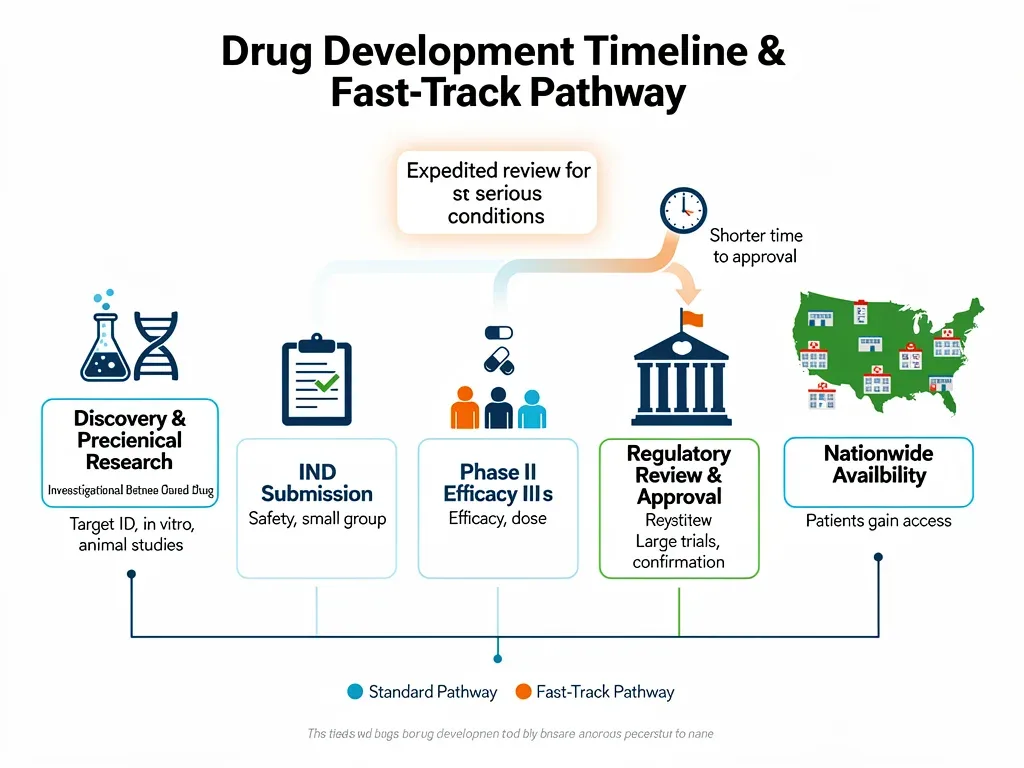
States and local health authorities will play a crucial role in coordinating efforts to integrate these therapies into existing healthcare frameworks. This includes developing guidelines for patient identification, referral pathways, and post-treatment follow-up. The process will be iterative, with continuous adjustments based on real-world data and patient outcomes.
The successful rollout hinges on seamless collaboration between pharmaceutical companies, regulatory bodies, healthcare providers, and patient advocacy groups. This collective effort aims to maximize the reach and impact of these groundbreaking treatments, ensuring that as many eligible patients as possible can benefit from them.
The Future of Alzheimer's Treatment
The FDA's decision to grant fast-track status to these four groundbreaking Alzheimer's therapies signals a new era in the fight against this devastating disease. This move is indicative of a broader trend towards more aggressive and innovative approaches in neurological research, pushing the boundaries of what was once thought possible in treating complex brain disorders.
This development is expected to catalyze further research and development in the Alzheimer's field, attracting more investment and talent. The success of these fast-track therapies could pave the way for even more advanced treatments, including personalized medicine approaches tailored to an individual's genetic makeup and disease presentation. The future looks brighter for those affected by Alzheimer's.
The focus will now shift to real-world effectiveness and long-term safety data as these therapies become more widely used. This continuous evaluation will be crucial for refining treatment protocols and understanding the full potential of these groundbreaking interventions. The journey toward a cure for Alzheimer's is long, but this fast-track approval represents a significant leap forward.
| Key Development | Brief Description |
|---|---|
| Fast-Track Status | FDA granted expedited review for four Alzheimer's therapies. |
| Nationwide Rollout | Therapies are set for phased availability across the U.S. |
| Patient Hope | Offers new hope for slowing cognitive decline and improving quality of life. |
| Economic Impact | Potential for significant healthcare savings and pharmaceutical investment. |
Frequently Asked Questions About Alzheimer's Therapies
What does FDA fast-track status mean for Alzheimer's drugs?▼FDA fast-track status expedites the development and review of drugs for serious conditions with unmet medical needs. For Alzheimer's therapies, it means a faster path to potential approval and nationwide rollout, offering quicker access to promising treatments for patients.
How many Alzheimer's therapies received fast-track status?▼The FDA has granted fast-track status to four groundbreaking Alzheimer's therapies. These therapies represent diverse scientific approaches to combatting the disease, aiming to address different aspects of its complex pathology and progression.
When can patients expect these therapies to be available nationwide?▼While fast-track status accelerates the review, specific availability dates for a nationwide rollout will depend on the completion of trials and final FDA approval. Patients should consult their healthcare providers for the latest information on these fast-track Alzheimer's therapies and their potential availability.
Will these fast-track Alzheimer's therapies cure the disease?▼These fast-track Alzheimer's therapies are primarily aimed at slowing the progression of the disease or modifying its course, rather than providing a complete cure. They represent significant advancements in managing Alzheimer's, offering improved outcomes and quality of life for patients.
What should caregivers know about these new treatments?▼Caregivers should stay informed about these fast-track Alzheimer's therapies, discuss them with their loved one's medical team, and understand the potential benefits and risks. Access to new treatments could significantly impact patient care and disease management, providing much-needed support.
What Happens Now
The FDA's decision to grant fast-track status to four groundbreaking Alzheimer's therapies marks a pivotal moment, shifting the landscape of Alzheimer's treatment. This move underscores an urgent push to bring effective interventions to patients faster, setting a precedent for future neurological drug development. Stakeholders, from pharmaceutical companies to healthcare providers and patient advocacy groups, are now focused on the coordinated effort required for a successful nationwide rollout. This includes addressing logistical challenges, ensuring equitable access, and continuing rigorous post-market surveillance. The coming months will be critical in observing how these therapies integrate into clinical practice and their real-world impact on patients' lives.