Fabric Breathability Index: Summer Heat Comfort
Advertisements
The fabric breathability index measures how well textiles allow air circulation, crucial for comfort in 90-degree summer heat; linen, hemp, and modal offer distinct advantages for staying cool and dry.
As summer temperatures soar to a sweltering 90 degrees Fahrenheit, selecting the right attire becomes less about style and more about survival. Understanding the fabric breathability index is paramount for anyone seeking genuine comfort. This comprehensive guide delves into how linen, hemp, and modal fabrics perform under intense heat, offering insights to help you make informed choices that keep you cool, dry, and stylish throughout the hottest months.
Understanding the Fabric Breathability Index
The fabric breathability index is a crucial metric, quantifying a material's ability to permit air and moisture vapor to pass through it. This characteristic directly impacts how comfortable a garment feels against the skin, especially in high temperatures and humidity. A higher breathability index indicates better air circulation, which helps dissipate body heat and evaporate sweat, preventing that clammy, uncomfortable sensation.
Evaluating breathability involves several factors, including the type of fiber, the yarn structure, and the fabric's weave. Natural fibers often excel in this regard due to their inherent properties, but synthetic advancements have also introduced highly breathable alternatives. For 90-degree summer heat, prioritizing fabrics with excellent moisture-wicking and quick-drying capabilities alongside superior airflow is essential for optimal comfort and skin health.
Key Factors Influencing Breathability
Several elements contribute to a fabric's overall breathability, extending beyond just the raw material. Understanding these factors can provide a more nuanced perspective on why certain textiles perform better in hot weather.
- Fiber Type: Natural fibers like cotton, linen, and hemp typically have microscopic structures that allow for better air exchange compared to many synthetics.
- Yarn Construction: Loosely spun yarns create more air pockets within the fabric, enhancing its ability to breathe. Tightly twisted yarns, conversely, can reduce airflow.
- Fabric Weave: Open weaves, such as plain weave or gauze, naturally have larger gaps between threads, facilitating greater air permeability. Denser weaves like satin or twill tend to be less breathable.
- Fabric Weight: Lighter fabrics generally allow more air to pass through than heavier ones, making them a preferred choice for summer wear.
Ultimately, the breathability index is not a single, universally defined number but rather a conceptual framework combining these elements to assess a fabric's suitability for warm conditions. A fabric with a high breathability index will feel light, airy, and help regulate body temperature effectively, making it ideal for combating the discomfort of a scorching summer day.
Linen: The Timeless Summer Staple
Linen has long been celebrated as the quintessential summer fabric, and for good reason. Derived from the flax plant, linen fibers are naturally strong, absorbent, and possess a distinct texture that screams effortless elegance. Its breathability is legendary, making it a top contender for combating the oppressive heat of a 90-degree summer day.

The unique structure of linen fibers allows for excellent airflow, creating a cooling sensation against the skin. Unlike some other materials, linen doesn't trap heat; instead, it allows it to escape, keeping the wearer feeling fresh. Its natural wicking properties mean it can absorb a significant amount of moisture without feeling damp, and it dries remarkably quickly, which is a major advantage during humid conditions.
Advantages of Linen in Hot Weather
Linen's benefits extend beyond just its breathability, offering a holistic approach to summer comfort.
- Superior Airflow: The natural stiffness of linen fibers prevents the fabric from clinging to the body, creating small air pockets that promote constant ventilation.
- Excellent Moisture Absorption: Linen can absorb up to 20% of its weight in moisture before feeling wet, efficiently drawing sweat away from the skin.
- Quick Drying: Once absorbed, moisture evaporates quickly from linen, contributing to its cooling effect and preventing bacterial growth that can cause odors.
- Durability: Despite its lightweight feel, linen is incredibly durable, becoming softer and more comfortable with each wash.
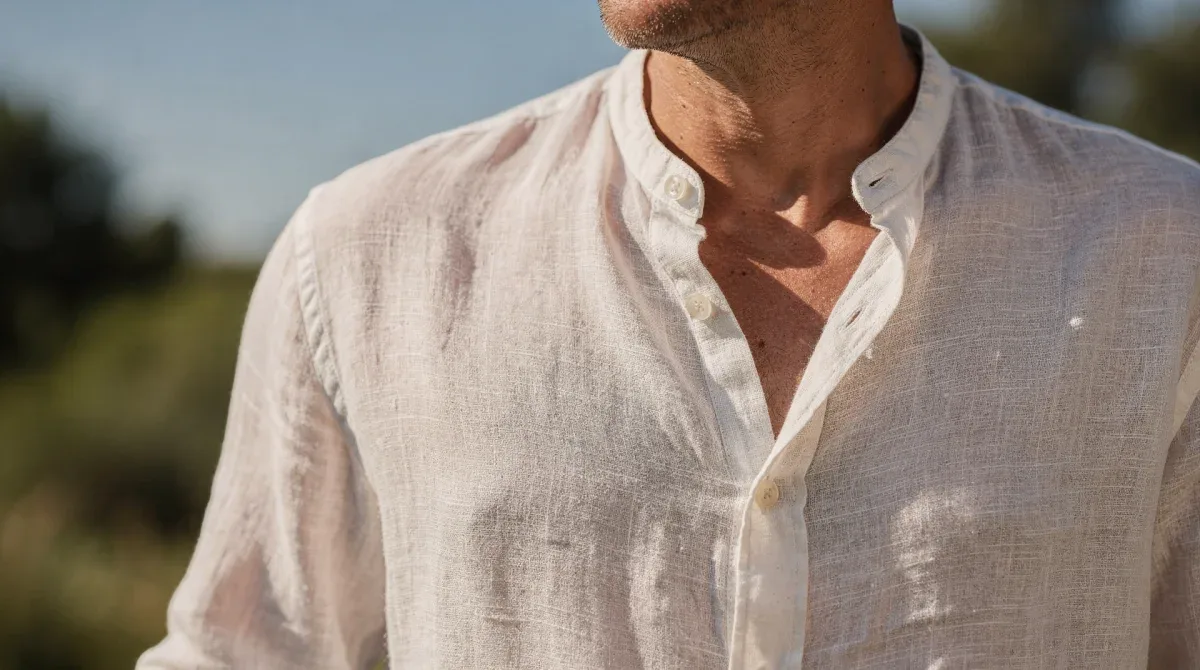
While linen is prone to wrinkling, many consider this a part of its charm, adding to its relaxed, natural aesthetic. For those prioritizing comfort and a classic, sophisticated look in extreme heat, linen remains an unparalleled choice. Its ability to keep you cool and dry, even when the humidity is stifling, makes it an indispensable part of any summer wardrobe.
Hemp: The Sustainable Powerhouse
Hemp, derived from the cannabis Sativa plant, is rapidly gaining recognition as an eco-friendly and highly functional fabric, particularly for warm climates. Historically used for industrial purposes, advancements in textile processing have transformed hemp into a soft, versatile material that stands toe-to-toe with traditional fibers like linen and cotton in terms of comfort and breathability. Its robust nature and sustainable cultivation practices make it an increasingly attractive option for conscious consumers.
Similar to linen, hemp fibers are hollow, which contributes to their excellent breathability and moisture-wicking capabilities. This structure allows air to circulate freely, helping to regulate body temperature and prevent overheating. In 90-degree summer heat, hemp fabric feels cool against the skin and efficiently pulls moisture away, ensuring you remain dry and comfortable even during peak activity or humidity.
Hemp's Performance in High Temperatures
Hemp offers a unique combination of strength, comfort, and breathability that makes it exceptionally well-suited for summer wear.
- Exceptional Durability: Hemp is one of the strongest natural fibers, making garments long-lasting and resistant to wear and tear.
- Natural Breathability: Its hollow fibers facilitate superior airflow, keeping the body cool and preventing heat buildup.
- Moisture Management: Hemp effectively wicks moisture away from the skin, preventing stickiness and promoting rapid evaporation.
- UV Resistance: The fabric naturally offers good protection against harmful UV rays, an added benefit for outdoor summer activities.
Initially, hemp fabric can feel slightly stiffer than linen or cotton, but it softens considerably with each wash and wear, eventually achieving a luxurious drape. Its ability to resist microbial growth also means hemp garments stay fresher for longer, reducing the need for frequent washing. For those seeking a sustainable, durable, and highly breathable option for intense summer heat, hemp presents a compelling alternative that delivers on all fronts.
Modal: The Silky Soft Alternative
Modal is a semi-synthetic fiber made from reconstituted cellulose, primarily from beech tree pulp. Known for its exceptional softness and smooth drape, modal offers a luxurious feel often compared to silk or mercerized cotton. While it's a regenerated fiber, its natural origins and processing methods make it a more environmentally friendly option than many fully synthetic materials. Modal has carved out a niche as a comfortable and stylish choice, particularly appreciated for its ability to maintain its softness and color vibrancy wash after wash.
In terms of breathability, modal performs admirably, especially when compared to other synthetic and semi-synthetic fabrics. Its smooth fiber structure helps prevent friction and clinging, allowing for decent air circulation against the skin. While it may not possess the same open-weave airflow characteristics as linen or hemp, modal excels in moisture management. It is highly absorbent, even more so than cotton, and efficiently wicks sweat away from the body, which is crucial for comfort in 90-degree summer heat.
Modal's Moisture Management and Feel
Modal offers a distinct set of characteristics that make it a valuable addition to any summer wardrobe, particularly for those who prioritize a soft touch.
- Exceptional Softness: Modal is renowned for its incredibly soft and smooth texture, providing a gentle feel against the skin.
- High Absorbency: It absorbs moisture 50% more efficiently than cotton, drawing sweat away from the body quickly and effectively.
- Resistance to Shrinking and Fading: Modal fabrics tend to resist shrinking and fading better than cotton, maintaining their shape and color over time.
- Drape and Comfort: Its fluid drape allows garments to flow beautifully, avoiding restrictive fits and enhancing comfort in warm weather.
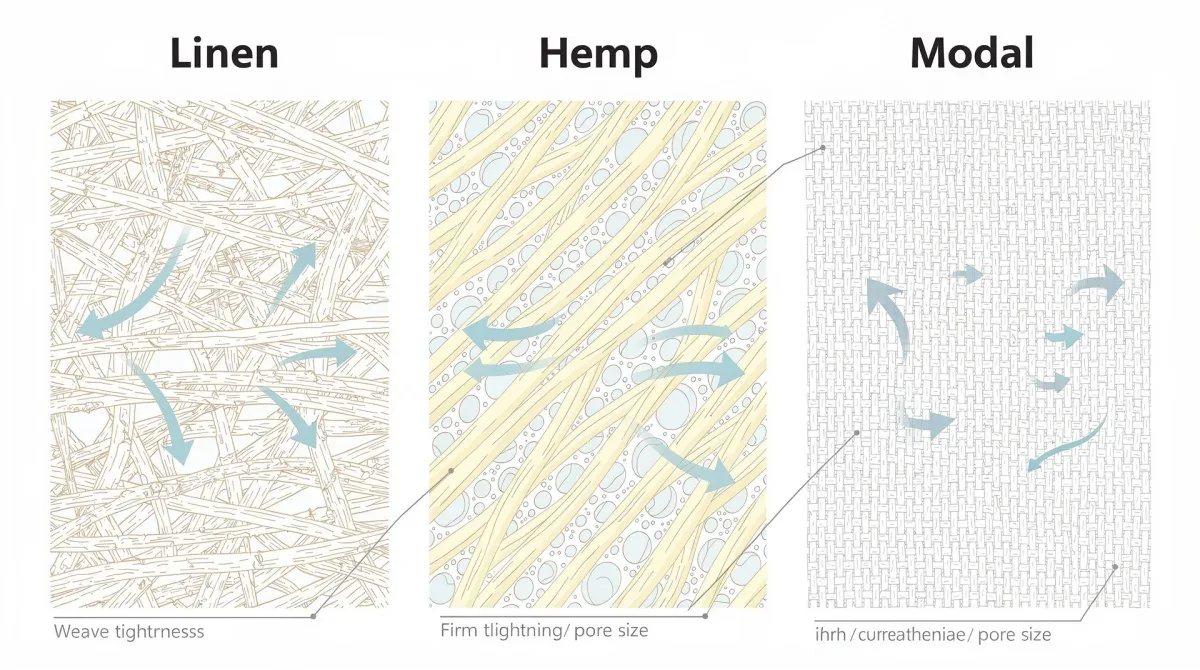
While modal might not offer the same 'airy' feel as a loosely woven linen, its superior moisture-wicking and quick-drying properties, combined with its luxurious softness, make it an excellent choice for summer apparel. It's particularly well-suited for inner layers, activewear, or garments where a smooth, comfortable feel is prioritized alongside effective sweat management. Modal bridges the gap between natural and synthetic, offering a balance of comfort, performance, and aesthetic appeal.
Comparing Linen, Hemp, and Modal for 90-Degree Summer Heat
When the mercury hits 90 degrees Fahrenheit, the choice of fabric can significantly impact your comfort. Each of linen, hemp, and modal brings unique strengths to the table, making them suitable for different preferences and situations. Understanding their comparative performance in terms of breathability, moisture management, and overall feel is key to selecting your ideal summer attire.
Linen and hemp generally lead in terms of pure airflow due to their natural fiber structure and the tendency for looser weaves. Their inherent stiffness prevents them from clinging to the body, creating a natural ventilation system. Both are excellent at wicking moisture and drying quickly, making them superb choices for truly oppressive heat and humidity. Linen offers a classic, slightly crinkled aesthetic, while hemp provides exceptional durability and a more rugged, yet softening, texture.
Performance Metrics in Detail
A closer look at specific attributes reveals the nuances in their hot-weather performance:
- Breathability: Linen > Hemp > Modal. Linen and hemp provide superior airflow, feeling airy and preventing heat buildup. Modal offers good breathability but might feel less 'open' than the natural fibers.
- Moisture Wicking: Modal > Linen ≈ Hemp. Modal excels in wicking moisture rapidly, often outperforming cotton. Linen and hemp are also highly effective at absorbing and evaporating sweat.
- Drying Time: Linen ≈ Hemp > Modal. All three dry relatively quickly, but linen and hemp often have a slight edge due to their fiber structure and typical weave.
- Feel Against Skin: Modal > Linen ≈ Hemp. Modal is exceptionally soft and smooth. Linen and hemp can initially feel crisp but soften beautifully with wear.
- Durability: Hemp > Linen > Modal. Hemp is renowned for its strength. Linen is also very durable, while modal is robust but less so than its natural counterparts.
For those prioritizing maximum airflow and a crisp, airy feel, linen or hemp are the clear winners. If a silky-soft touch combined with excellent moisture-wicking is paramount, modal stands out. Ultimately, the best choice depends on personal preference and the specific demands of your summer activities. Many find a blend of these fabrics offers the best of all worlds, combining the strengths of each for ultimate warm-weather comfort.
Practical Tips for Choosing Summer Fabrics
Navigating the world of summer fabrics can be daunting, but with a few practical tips, you can confidently select garments that will keep you cool and comfortable even when temperatures reach 90 degrees Fahrenheit. Beyond just the fabric type, considering the garment's construction, color, and fit plays a significant role in optimizing your comfort during the hottest months.
Always prioritize natural fibers like linen and hemp for their superior breathability and moisture management. While modal offers excellent softness and wicking, save it for situations where a smooth drape is desired or as an inner layer. Look for loosely woven fabrics and avoid anything with a tight, dense weave that can trap heat. The goal is to maximize air circulation around your body.
Enhancing Your Summer Comfort
Beyond material choice, several other factors can significantly improve your summer dressing experience:
- Loose Fits: Opt for relaxed, loose-fitting garments that allow air to circulate freely between the fabric and your skin. Avoid tight clothing that restricts airflow.
- Light Colors: Choose light-colored fabrics that reflect sunlight rather than absorbing it. Darker colors tend to absorb more heat, making you feel warmer.
- Layering Strategically: While counterintuitive, a very light, open-weave outer layer can sometimes provide an additional barrier against direct sun while still allowing air to flow.
- Check Fabric Blends: Be wary of blends that combine breathable fibers with less breathable synthetics. Always check the composition tag.
Remember that even the most breathable fabric can feel uncomfortable if it's too heavy or too tightly woven. Always consider the garment's overall design and how it will interact with your body in the heat. By combining an understanding of the fabric breathability index with these practical tips, you can curate a summer wardrobe that keeps you feeling fresh, dry, and stylish, no matter how high the thermostat climbs. Investing in quality, breathable fabrics is an investment in your comfort and well-being during the challenging summer months.
| Fabric Type | Key Summer Benefit |
|---|---|
| Linen | Exceptional airflow and quick drying for maximum cooling. |
| Hemp | Durable, highly breathable, and excellent moisture-wicking. |
| Modal | Silky soft feel with superior moisture absorption and drape. |
| Overall | Choosing based on breathability, wicking, and personal comfort. |
Frequently Asked Questions About Summer Fabrics
What is the most breathable fabric for 90-degree summer heat?▼For 90-degree summer heat, linen generally stands out as the most breathable fabric. Its natural flax fibers and typically loose weave allow for excellent airflow, preventing heat retention and promoting rapid evaporation of sweat, which keeps the wearer feeling cool and dry. Hemp is a close second with similar properties.
How does modal compare to linen and hemp in terms of cooling?▼Modal offers excellent moisture-wicking properties, absorbing more sweat than cotton, which contributes to a cooling effect. However, it may not provide the same level of open-air circulation as linen or hemp. While modal feels softer, linen and hemp often excel in pure breathability for extreme heat.
Are there sustainable fabric choices that are also highly breathable?▼Absolutely. Hemp is a highly sustainable fabric known for its exceptional breathability and durability. It requires less water and no pesticides to grow. Linen, derived from flax, is also considered sustainable due to its minimal environmental impact and long-lasting nature, making both excellent eco-friendly choices for summer.
Does fabric color affect how cool you feel in summer?▼Yes, fabric color significantly impacts how cool you feel. Lighter colors, such as white, pastels, and light neutrals, reflect sunlight and heat away from the body. Conversely, darker colors absorb more solar radiation, making you feel warmer. Opting for light-colored, breathable fabrics is key for summer comfort.
What is the 'fabric breathability index' and why is it important?▼The 'fabric breathability index' is a conceptual measure of how well a fabric allows air and moisture vapor to pass through it. It's crucial for comfort in hot weather because high breathability helps dissipate body heat and evaporate sweat, preventing discomfort, clamminess, and overheating, especially in 90-degree temperatures.
Conclusion
Navigating the relentless heat of a 90-degree summer requires more than just a passing thought about your wardrobe; it demands a strategic approach to fabric selection. Understanding the fabric breathability index is your ultimate tool in this endeavor, guiding you toward materials that actively work to keep you cool and dry. Linen, with its unparalleled airflow, and hemp, with its robust breathability and sustainable credentials, stand out as champions for extreme heat. Modal, while offering a luxurious softness and excellent moisture-wicking, provides a comfortable alternative for those prioritizing feel. By considering fiber type, weave, and personal comfort, you can curate a summer wardrobe that not only looks good but genuinely enhances your well-being, allowing you to embrace the season with confidence and comfort.