Mastering the 70/30 Color Rule for Tailored Streetwear
Advertisements
The 70/30 color rule is a powerful styling principle where 70% of an outfit is a dominant color and 30% consists of complementary or accent hues, perfect for elevating tailored streetwear with sophisticated balance.
Mastering the 70/30 color rule to elevate everyday tailored streetwear is more than just a trend; it's a strategic approach to color theory that can transform your wardrobe. This principle helps you achieve a sophisticated and balanced look, ensuring your outfits are visually interesting without being overwhelming. By understanding how to effectively blend dominant and accent colors, you can create cohesive ensembles that exude confidence and style, making your everyday tailored streetwear truly stand out.
Understanding the 70/30 color rule in fashion
The 70/30 color rule is a fundamental concept in design and fashion, offering a simple yet incredibly effective framework for creating visually appealing outfits. At its core, it suggests that 70% of your ensemble should be a primary, dominant color, while the remaining 30% should comprise a secondary or accent color. This ratio creates a sense of harmony and allows for visual interest without chaos, making it a powerful tool for anyone looking to refine their personal style, especially within the tailored streetwear aesthetic.
This principle isn't about rigid adherence but rather a guideline to achieve balance. The 70% typically forms the larger pieces of your outfit—think coats, trousers, or a full suit—establishing the overall mood and tone. The 30% then introduces contrast, texture, or a pop of personality through accessories, shirts, or shoes. It's the interplay between these proportions that makes an outfit feel thoughtfully constructed and effortlessly chic.
The psychology of color proportion
Color psychology plays a significant role in how we perceive outfits. A balanced distribution, like the 70/30 rule, can evoke feelings of stability, sophistication, and intentionality. When one color dominates, it grounds the look, while a smaller, contrasting portion prevents it from becoming monotonous. This creates a dynamic visual narrative that draws the eye without overwhelming it, making the wearer appear confident and well-put-together.
- Dominant color (70%): Establishes the foundation and mood of the outfit, often a neutral or muted tone.
- Accent color (30%): Adds visual interest, personality, and a focal point, typically a brighter or contrasting hue.
- Visual flow: Guides the viewer's eye across the ensemble, highlighting key elements.
In essence, the 70/30 rule acts as a blueprint for intelligent styling. It encourages you to think about your clothing as a cohesive composition rather than individual pieces. By consciously applying this ratio, you move beyond merely wearing clothes to crafting a statement, ensuring your tailored streetwear outfits are both impactful and aesthetically pleasing. It’s a subtle art that, once mastered, becomes an intuitive part of your dressing routine.

Integrating tailored pieces into streetwear
Tailored streetwear represents a sophisticated fusion of two seemingly disparate worlds: the precision and structure of traditional tailoring with the relaxed, urban sensibility of streetwear. This hybrid aesthetic offers a unique opportunity to elevate everyday looks, creating ensembles that are both comfortable and refined. The key lies in understanding how to seamlessly blend these elements without compromising either style's integrity, ensuring a harmonious balance that feels intentional and modern.
Think of integrating a crisp, well-fitting blazer with a pair of relaxed cargo pants, or pairing tailored trousers with an oversized graphic tee. The juxtaposition of formal and casual elements creates a dynamic tension that is inherently stylish. This approach allows for greater versatility in your wardrobe, enabling you to transition effortlessly from a casual daytime setting to a more polished evening event by simply adjusting a few components.
Key tailored elements for streetwear
Certain tailored pieces lend themselves exceptionally well to the streetwear aesthetic. These items often possess a clean silhouette and quality fabrication, providing a strong foundation for any outfit.
- Blazers: An oversized or deconstructed blazer can instantly elevate a hoodie or t-shirt.
- Trousers: Pleated or wide-leg tailored trousers offer a sophisticated alternative to jeans or joggers.
- Coats: A classic trench or wool overcoat can add an element of formal elegance to any streetwear look.
The beauty of tailored streetwear lies in its adaptability. It’s about taking those pieces typically reserved for more formal occasions and recontextualizing them within a relaxed, urban framework. This not only broadens your styling horizons but also allows for personal expression through unexpected combinations. By carefully selecting and integrating tailored items, you can create a signature look that is both cutting-edge and timeless, offering a fresh perspective on everyday dressing.
Applying the 70/30 rule with neutral foundations
When embarking on the journey of applying the 70/30 color rule, starting with a neutral foundation is often the most effective and versatile approach. Neutrals such as black, white, grey, beige, and navy provide a calm, stable canvas upon which to introduce more vibrant or contrasting accent colors. This strategy ensures that your dominant 70% remains understated and sophisticated, allowing the 30% accent to truly pop and command attention without overwhelming the overall aesthetic. It’s a foolproof method for achieving elegant and balanced tailored streetwear looks.
Imagine a charcoal grey suit or a pair of sleek black tailored trousers and a matching jacket forming your 70%. The simplicity and timelessness of these foundational colors allow for immense flexibility in choosing your accent. You can experiment with bold hues, intricate patterns, or even subtle textures for your 30%, knowing that the neutral base will always keep the outfit grounded and chic. This approach is particularly effective for those who appreciate a minimalist aesthetic but still desire to inject personality into their style.
Choosing your dominant neutral
The choice of your dominant neutral can significantly influence the mood of your outfit. Lighter neutrals like beige or light grey tend to create a softer, more approachable vibe, while darker neutrals such as black or navy exude a sense of sophistication and authority. Consider the occasion and your personal preference when selecting your 70% base.
- Black: Timeless, elegant, and provides strong contrast for bright accents.
- Grey: Versatile and modern, ranging from light to dark, offers a softer contrast.
- Beige/Cream: Earthy and warm, perfect for a relaxed yet refined look.
- Navy: A sophisticated alternative to black, pairs well with a wide range of colors.
Once your dominant neutral is established, the fun begins with the 30% accent. This could be a vibrant colored t-shirt under a blazer, a bold pair of sneakers, a statement scarf, or even a brightly colored bag. The key is to ensure that this accent remains a distinct, smaller portion of your overall look, providing a focal point without competing with the primary color. This thoughtful application of the 70/30 rule with neutral foundations is what truly elevates tailored streetwear from casual to captivating.
Adding impactful accents: the 30% factor
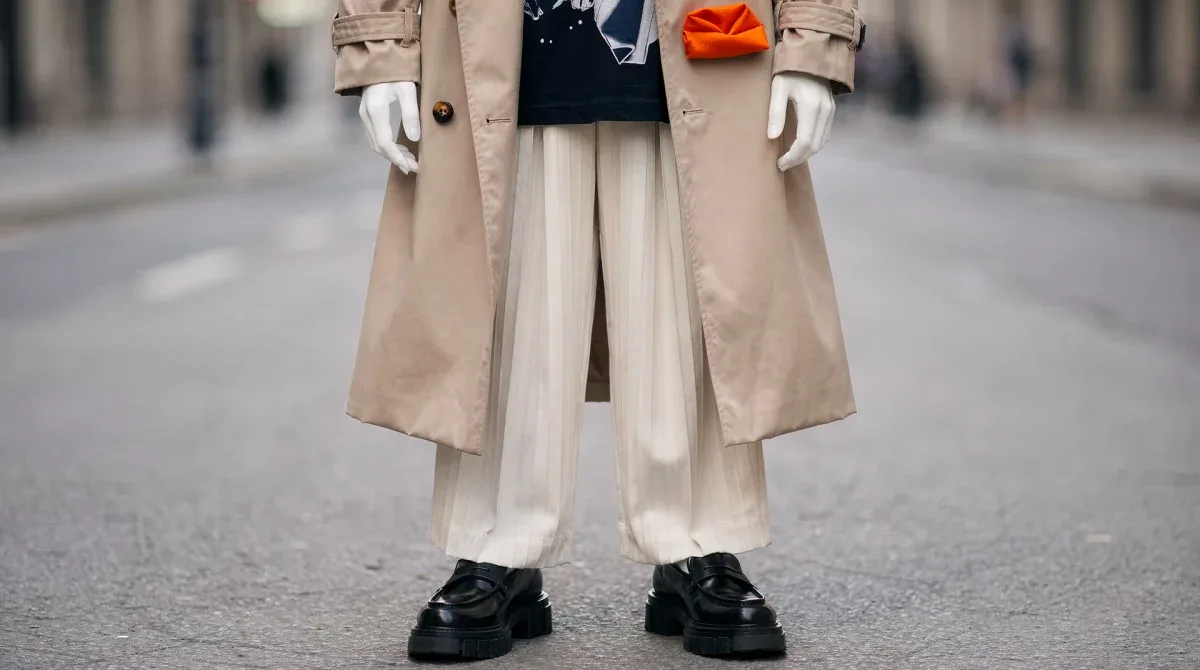
Once your dominant 70% is established, the magic of the 70/30 color rule truly comes alive with the introduction of the 30% accent. This smaller portion of your outfit is where you inject personality, vibrancy, and a touch of daring. The accent color serves as a focal point, drawing the eye and adding depth and interest to an otherwise understated ensemble. It's an opportunity to experiment with bolder hues, unique textures, or eye-catching patterns, transforming a simple tailored streetwear look into a statement of individual style.
The beauty of the 30% factor lies in its versatility. It doesn't necessarily have to be a single item; it can be a combination of smaller pieces that collectively make up that proportion. For instance, a brightly colored beanie, a patterned scarf, and a pair of contrasting socks could all contribute to your 30%, creating a cohesive yet dynamic accent. The goal is to create visual intrigue without overwhelming the dominant color, ensuring a balanced and harmonious overall aesthetic.
Strategizing your accent pieces
Choosing the right accent pieces requires a thoughtful approach. Consider the color wheel to find complementary or analogous colors that will enhance your dominant hue. Textural accents can also add significant impact, even if the color is subtle. For example, a knitted sweater under a smooth blazer provides visual depth.
- Footwear: Bold sneakers or colorful boots can serve as a strong accent.
- Headwear: Beanies, caps, or bucket hats in a contrasting color.
- Layering pieces: A vibrant t-shirt or hoodie peeking out from under a jacket.
- Accessories: Scarves, bags, or even statement jewelry.
The key to successful accentuation is moderation. While the 30% allows for boldness, ensure it remains a supporting role rather than stealing the entire show. The goal is to enhance, not overshadow, the dominant 70%. By carefully selecting and positioning your accent pieces, you can create tailored streetwear outfits that are both sophisticated and full of character, demonstrating a keen understanding of color dynamics and personal expression.
Seasonal color palettes for tailored streetwear
Adapting your 70/30 color rule application to seasonal palettes is a sophisticated way to keep your tailored streetwear fresh and relevant throughout the year. Each season brings with it a unique set of colors and moods, and by aligning your dominant and accent choices with these natural shifts, you can create outfits that feel perfectly in tune with the environment. This doesn't mean a complete overhaul of your wardrobe every few months, but rather a thoughtful adjustment of your accent pieces and perhaps a slight shift in your dominant neutrals.
For instance, spring and summer naturally lend themselves to lighter, brighter hues, while autumn and winter invite deeper, richer tones. Incorporating these seasonal trends into your 70/30 strategy allows for continuous evolution of your personal style, ensuring your tailored streetwear always feels contemporary and effortlessly chic. It's about being mindful of the world around you and translating that inspiration into your sartorial choices.
Spring/summer palette considerations
During the warmer months, opt for dominant neutrals that are lighter and airier, such as light grey, beige, cream, or even crisp white. These provide a refreshing base for brighter accents.
- Dominant (70%): Light grey tailored trousers, a cream linen blazer, or white wide-leg pants.
- Accent (30%): Pastel pink t-shirt, sky blue sneakers, a vibrant yellow cap, or a patterned silk scarf with floral motifs.
- Fabrics: Prioritize breathable materials like linen, cotton, and light wool blends.
Autumn/winter palette considerations
As temperatures drop, transition to deeper, richer dominant neutrals like charcoal, navy, forest green, or deep burgundy. These colors naturally evoke warmth and sophistication.
- Dominant (70%): Navy wool overcoat, charcoal grey tailored trousers, or a dark olive green blazer.
- Accent (30%): Burnt orange knit sweater, deep red beanie, mustard yellow scarf, or emerald green leather boots.
- Fabrics: Embrace textures like heavy wool, corduroy, tweed, and cashmere.
By consciously considering seasonal color palettes, you ensure your tailored streetwear not only looks stylish but also feels appropriate for the time of year. This nuanced approach to the 70/30 color rule demonstrates a deeper understanding of fashion and allows for endless creative possibilities, keeping your wardrobe dynamic and exciting.
Advanced 70/30 techniques for experienced stylists
For those who have mastered the foundational aspects of the 70/30 color rule, there are advanced techniques that can push the boundaries of tailored streetwear, adding even greater complexity and visual intrigue. These methods involve playing with sub-proportions, incorporating multiple accent colors, and experimenting with texture and pattern as significant contributors to the 30% factor. It's about moving beyond the obvious and exploring more sophisticated ways to balance and contrast, creating truly unique and memorable outfits.
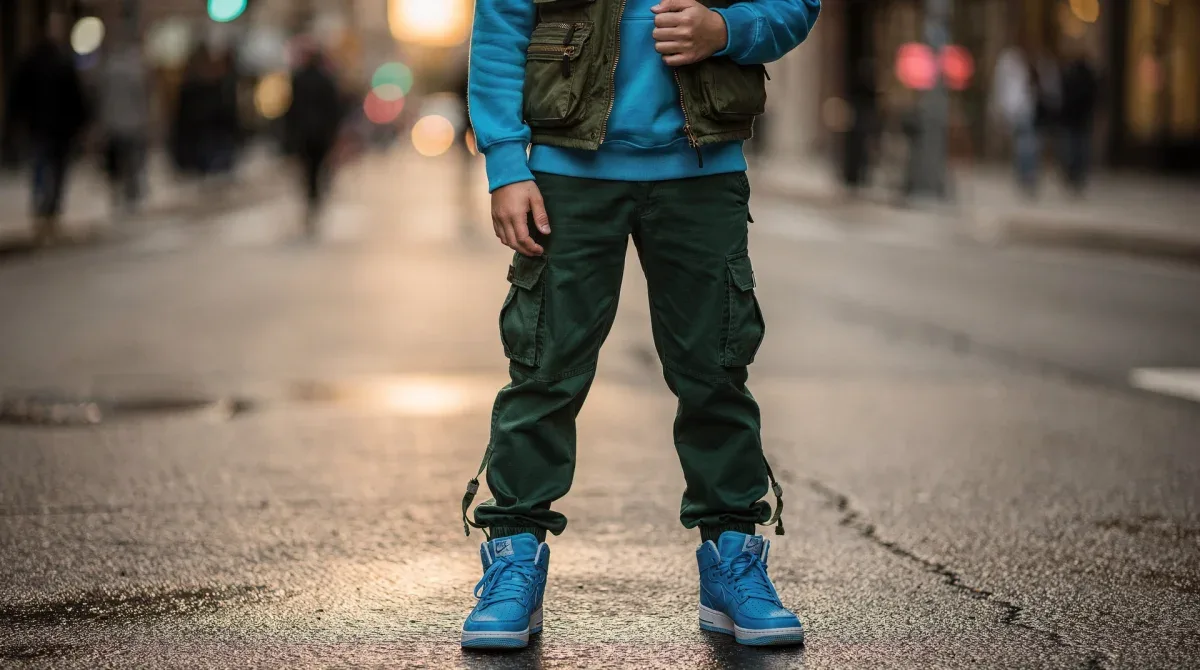
One advanced technique involves breaking down the 70% or 30% into further sub-segments. For example, your 70% dominant color could be composed of two closely related shades, like a dark grey blazer with a slightly lighter grey tailored vest, still maintaining a cohesive dominant presence. Similarly, your 30% accent could be split between two complementary colors, perhaps a vibrant blue and a subtle yellow, as long as their combined visual weight still adheres to the 30% proportion. This layering of color and tone adds a rich dimension to your ensembles.
Texture and pattern as color contributors
Beyond solid colors, texture and pattern can be powerful tools in fulfilling both the 70% and 30% allocations. A subtle pinstripe on a tailored suit, for instance, can contribute to the dominant 70% by adding visual interest without introducing a new color. Conversely, a bold graphic print on a t-shirt or a textured knitted sweater can serve as a significant part of your 30% accent, even if its primary hue is relatively muted.
- Monochromatic 70%: Utilize varying shades and textures of a single color for your dominant portion to add depth.
- Patterned 30%: Introduce a statement pattern (e.g., plaid, stripes, abstract) in your accent pieces.
- Textural contrast: Pair smooth, tailored fabrics with rougher textures like denim or corduroy in your accent.
Another advanced strategy is to consider the "pop" of color not just as an accent, but as a directional element. Use a bright shoe or a distinct accessory to draw the eye towards a specific part of your outfit, creating a deliberate visual path. These techniques require a keen eye and a willingness to experiment, but they ultimately lead to a more nuanced and personal expression of tailored streetwear, demonstrating a true mastery of the 70/30 color rule.
Common pitfalls and how to avoid them
While the 70/30 color rule offers a clear framework for stylish dressing, there are several common pitfalls that can undermine its effectiveness. Being aware of these missteps is crucial for consistently achieving balanced and sophisticated tailored streetwear looks. The goal is to harness the rule's power without falling into traps that can make an outfit look disjointed, overly busy, or simply unrefined. It’s about thoughtful application rather than rigid adherence.
One of the most frequent errors is miscalculating the proportions, either by having too much accent color, which can make the outfit feel chaotic, or too little, which leaves it looking bland. Another pitfall is choosing accent colors that clash rather than complement the dominant hue, creating an uncomfortable visual tension. Avoiding these mistakes requires a keen eye and a commitment to understanding basic color theory, ensuring every choice contributes positively to the overall aesthetic.
Avoiding common missteps
To ensure your outfits always hit the mark, consider these practical tips for sidestepping common issues:
- Over-accentuation: Ensure the 30% truly remains an accent. If you find yourself adding multiple bold items, step back and simplify.
- Clashing colors: Refer to a color wheel. Analogous colors (next to each other) or complementary colors (opposite each other) generally work best.
- Ignoring texture: Sometimes, an outfit might lack interest even with the 70/30 rule applied if all textures are too similar. Varying textures can add depth.
- Forgetting context: While tailored streetwear is versatile, some color combinations might be more appropriate for certain settings than others.
Another crucial aspect is to avoid being too literal with the 70/30 split. It's a guideline, not a strict mathematical equation. Sometimes, a slightly larger or smaller accent might work better depending on the intensity of the colors or the size of the garments. Trust your eye and develop your intuition. Regularly reviewing your outfits in a full-length mirror can help you identify areas for improvement and refine your understanding of what truly works for your personal style. By being mindful of these pitfalls, you can consistently create polished and impactful tailored streetwear ensembles.
Elevating your personal style with the 70/30 rule
Ultimately, mastering the 70/30 color rule is about more than just fashion; it's about elevating your personal style and expressing confidence through thoughtful sartorial choices. By consciously applying this principle to your tailored streetwear, you move beyond simply wearing clothes to curating a distinct aesthetic that speaks volumes about your attention to detail and understanding of visual harmony. It empowers you to create outfits that are both effortlessly chic and deeply personal, setting you apart with a sophisticated edge.
The beauty of this rule lies in its adaptability and its ability to simplify complex styling decisions. Once you grasp the core concept, it becomes an intuitive tool that guides your wardrobe choices, making it easier to mix and match pieces and build cohesive ensembles. This leads to a more efficient and enjoyable dressing experience, where every outfit feels intentional and polished, rather than haphazard.
The confidence of calculated color
There's an undeniable confidence that comes with knowing your outfit is well-composed and visually balanced. The 70/30 rule provides that assurance, allowing you to step out feeling self-assured and stylish. It’s a subtle yet powerful way to communicate your personality and taste without saying a word.
- Intentionality: Every piece serves a purpose in the overall color scheme.
- Versatility: Easily adapt outfits by swapping out the 30% accent.
- Sophistication: Achieves a polished look that avoids being overly casual or overly formal.
Embracing the 70/30 color rule for your tailored streetwear is a journey of refinement. It encourages experimentation within a structured framework, allowing you to discover new combinations and refine your eye for color. As you continue to apply and adapt this rule, you'll find your personal style evolving, becoming more distinctive and impactful. It’s an investment in your wardrobe that pays dividends in confidence, creativity, and an undeniably elevated aesthetic.
| Key Aspect | Brief Description |
|---|---|
| Color Ratio | 70% dominant color for primary garments, 30% accent color for details. |
| Neutral Foundations | Utilize black, grey, beige, or navy as the dominant 70% base for versatility. |
| Impactful Accents | Introduce bold colors, patterns, or textures in footwear, accessories, or inner layers for the 30%. |
| Seasonal Adaptation | Adjust dominant and accent colors to align with spring/summer (lighter) or autumn/winter (richer) palettes. |
Frequently asked questions about the 70/30 color rule
What exactly is the 70/30 color rule in fashion?▼The 70/30 color rule is a styling principle suggesting that 70% of an outfit should be composed of a dominant color, providing a cohesive base. The remaining 30% then introduces a secondary or accent color, adding visual interest and personality without overwhelming the primary hue.
How can I apply the 70/30 rule to tailored streetwear?▼For tailored streetwear, apply the 70/30 rule by using larger tailored pieces (blazer, trousers) as your 70% dominant color, often a neutral. Your 30% accent can then come from streetwear elements like a graphic tee, bold sneakers, or a colorful beanie, creating a balanced fusion.
Are there specific colors that work best as the 70% dominant?▼Neutral colors such as black, white, grey, navy, and beige are ideal for the 70% dominant portion. They provide a versatile and sophisticated foundation that allows accent colors to pop without clashing, making them perfect for tailored streetwear applications.
Can I use patterns or textures as part of the 30% accent?▼Absolutely. Patterns and textures can be highly effective in fulfilling the 30% accent. A patterned scarf, a textured knit sweater, or a bold graphic on a t-shirt can add significant visual interest and depth, even if the primary color is not extremely vibrant.
What are common mistakes to avoid when using the 70/30 rule?▼Common mistakes include miscalculating proportions (too much or too little accent), choosing clashing colors, or neglecting textural variations. Always aim for balance, consider color theory, and trust your eye to ensure the accent complements rather than competes with the dominant color.
Conclusion
Mastering the 70/30 color rule is a transformative step in elevating your everyday tailored streetwear. This principle provides a clear yet flexible framework for creating balanced, sophisticated, and visually engaging outfits. By thoughtfully applying dominant and accent colors, you gain the ability to express personal style with confidence and precision, ensuring every ensemble is both impactful and harmonious. Embrace this rule to unlock new dimensions in your wardrobe and refine your sartorial signature.