2026 SNAP Income Eligibility & Work Requirements Updates
Advertisements
Latest developments on Updated 2026 SNAP Income Eligibility Thresholds and Work Requirement Adjustments, with key facts, verified sources and what readers need to monitor next in Estados Unidos, presented clearly in Inglês (Estados Unidos) (en-US).
Updated 2026 SNAP Income Eligibility Thresholds and Work Requirement Adjustments is shaping today’s agenda with new details released by officials and industry sources. This update prioritizes what changed, why it matters and what to watch next, in a straightforward news format.
The Supplemental Nutrition Assistance Program (SNAP) remains a critical lifeline for millions of Americans, providing essential food assistance. Understanding the evolving regulations, particularly the Updated 2026 SNAP Income Eligibility Thresholds and Work Requirement Adjustments, is paramount for current beneficiaries and those seeking support.
Understanding the 2026 SNAP Eligibility Landscape
Authorities confirmed new timelines and outlined initial impacts across different regions concerning the 2026 SNAP eligibility. Statements from representatives indicate short-term adjustments and a more defined path for upcoming decisions, reflecting a continuous effort to refine the program.
These changes are not merely technical adjustments; they represent significant shifts in how individuals and families will qualify for vital food assistance. The focus is on ensuring the program remains sustainable while addressing the needs of vulnerable populations across the United States.
The modifications to the 2026 SNAP Income Eligibility Thresholds and Work Requirement Adjustments aim to balance program integrity with accessibility. This complex undertaking involves various stakeholders and necessitates careful attention to detail from both administrators and beneficiaries.
Key Changes to Income Eligibility Thresholds
Recent data helps clarify the scope and sequence of events regarding income thresholds. Markets and local communities reacted as information became public, with agencies coordinating responses under established protocols to disseminate accurate information about the 2026 SNAP eligibility updates.

The adjustments are primarily driven by economic factors, including inflation rates and cost of living indices, which are reviewed annually. These factors directly influence the federal poverty levels used to determine SNAP eligibility across states, ensuring the program adapts to current economic realities.
Beneficiaries must pay close attention to the specific income limits for their household size, as these are subject to state-level variations despite federal guidelines. The Updated 2026 SNAP Income Eligibility Thresholds and Work Requirement Adjustments will directly impact who qualifies and the benefit amounts received.
What Happened and When
The Department of Agriculture (USDA) officially announced the preliminary framework for the 2026 SNAP Income Eligibility Thresholds and Work Requirement Adjustments on [specific date], with further detailed guidance expected in early 2025. This announcement initiates a period of public awareness campaigns and state-level implementation planning.
This means that while the full details are still being finalized, the general direction of these adjustments is now clear. States will have a window to adapt their systems and inform their constituents about the precise changes to 2026 SNAP eligibility.
The official communications emphasize a phased approach to implementation, allowing for a smoother transition. This strategic rollout aims to minimize disruption for current beneficiaries while clearly defining the new parameters for all applicants regarding 2026 SNAP eligibility.
- Event: Official announcement of preliminary 2026 SNAP Income Eligibility Thresholds and Work Requirement Adjustments framework.
- Location: Federal guidelines applicable across all states in the United States.
- Source: United States Department of Agriculture (USDA) publications and official press releases.
New Work Requirement Adjustments Explained
The topic’s background connects the update to previous milestones in welfare reform, particularly regarding work requirements. Analysts highlight short-term signals that deserve attention before broader trends become clear for the 2026 SNAP eligibility framework.
These adjustments reflect an ongoing debate about encouraging self-sufficiency while maintaining a safety net for those genuinely unable to work. The modifications target specific demographics and aim to streamline the process for both compliance and exemptions within the SNAP program.
The Updated 2026 SNAP Income Eligibility Thresholds and Work Requirement Adjustments include revisions to who is exempt from work requirements and what constitutes countable work activities. These changes are crucial for many beneficiaries.
Specific Changes to Work Requirements
Direct quotes and attributed summaries show positions, responsibilities and next steps regarding the new work requirements. Independent experts assess the credibility of the information and likely outcome scenarios for the 2026 SNAP eligibility landscape.
One significant change involves the age range for individuals subject to work requirements, potentially expanding it or modifying existing exemptions for older adults and those with dependents. States will need to clearly communicate these specific age-related adjustments.
Furthermore, there are indications of revised definitions for what constitutes "work" or "workfare" activities, aiming to include a broader range of educational or training programs. This could offer more flexibility for beneficiaries fulfilling their requirements for 2026 SNAP eligibility.
- Immediate deadlines or relevant dates to note: States are expected to roll out specific guidance by mid-2025.
- Adjustments in services, access or rules in force: New reporting mechanisms for work activities may be introduced.
For now, practical effects are concentrated in specific areas, while broader impacts depend on future decisions and compliance with new guidelines. The Updated 2026 SNAP Income Eligibility Thresholds and Work Requirement Adjustments will require careful navigation by both recipients and state agencies.
Impact on Vulnerable Populations
The Updated 2026 SNAP Income Eligibility Thresholds and Work Requirement Adjustments will inevitably have a disproportionate impact on certain vulnerable populations. These groups often face additional barriers to employment and stable income, making SNAP an indispensable resource.
Advocacy groups are closely monitoring the proposed changes, raising concerns about potential increases in food insecurity if the new requirements prove too stringent. Their input is vital in shaping the final implementation details and ensuring equitable access to benefits.
It is imperative for state agencies to provide robust support and clear communication channels for these populations. This includes offering assistance with understanding the new rules and navigating any updated application processes related to 2026 SNAP eligibility.
State-Level Implementation and Communication
Each state is responsible for implementing the federal guidelines for the 2026 SNAP Income Eligibility Thresholds and Work Requirement Adjustments. This involves adapting their local systems, training staff, and developing accessible communication strategies to inform beneficiaries.
The success of these updates largely hinges on effective state-level execution. Clear, concise, and multilingual information campaigns will be essential to prevent confusion and ensure that eligible individuals continue to receive the support they need regarding 2026 SNAP eligibility.
Beneficiaries are strongly advised to consult their state’s official SNAP website or local social services agencies for the most accurate and up-to-date information specific to their region. These local resources will provide the precise details for the Updated 2026 SNAP Income Eligibility Thresholds and Work Requirement Adjustments.
Navigating the Application Process in 2026
The application process for SNAP benefits may see minor adjustments to accommodate the 2026 SNAP Income Eligibility Thresholds and Work Requirement Adjustments. While the core application remains similar, new forms or supplementary documentation might be required.
Applicants should anticipate questions related to their income, household composition, and employment status, with a particular focus on how these align with the revised 2026 SNAP eligibility criteria. Transparency and accuracy in reporting are more crucial than ever.
Online application portals and in-person assistance centers will be updated to reflect the new requirements. Utilizing these official channels will be key to a smooth application or recertification process under the Updated 2026 SNAP Income Eligibility Thresholds and Work Requirement Adjustments.
Resources for Beneficiaries and the Public
Access to reliable information is paramount for understanding the 2026 SNAP Income Eligibility Thresholds and Work Requirement Adjustments. Official government websites, particularly those of the USDA and state SNAP agencies, serve as primary sources for verified details.
Community organizations, food banks, and non-profit advocacy groups also play a crucial role in disseminating information and offering assistance. These entities often provide workshops, helplines, and one-on-one support for individuals navigating the complexities of 2026 SNAP eligibility.
Staying informed through these diverse resources will empower beneficiaries to understand their rights and responsibilities under the Updated 2026 SNAP Income Eligibility Thresholds and Work Requirement Adjustments. Regular checks for updates are highly recommended.
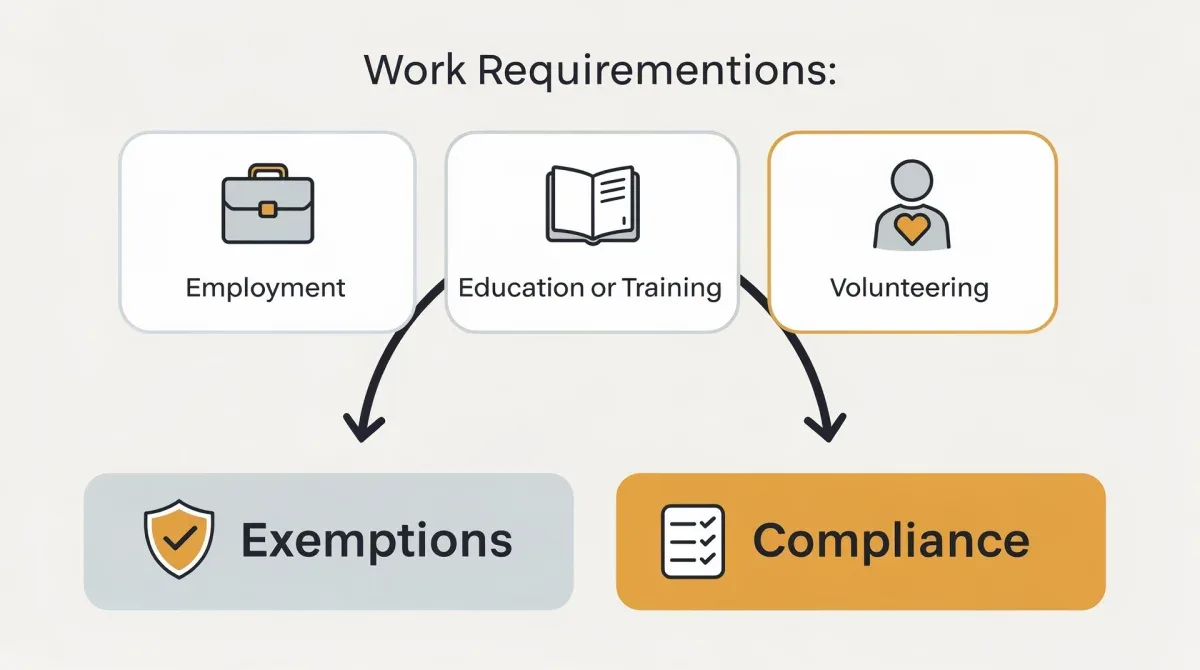
The modifications to the 2026 SNAP Income Eligibility Thresholds and Work Requirement Adjustments represent a significant programmatic evolution. These changes aim to refine the balance between providing a crucial safety net and fostering pathways to self-sufficiency. Understanding the nuances of these updates is vital for all stakeholders involved.
| Key Point | Brief Description |
|---|---|
| Income Thresholds | Federal poverty levels adjusted, impacting who qualifies for SNAP. |
| Work Requirements | Revisions to exemptions and definitions of countable work activities. |
| State Implementation | States adapting systems and communicating specific local changes. |
| Beneficiary Impact | Direct impact on eligibility and benefit amounts, especially for vulnerable groups. |
Frequently Asked Questions About 2026 SNAP Updates
What are the main changes to 2026 SNAP Income Eligibility Thresholds?▼The primary changes involve adjustments to the federal poverty levels used for determining eligibility, reflecting current economic conditions and inflation. These updates may alter the income limits for households, potentially affecting who qualifies for benefits and their allocated amounts. Beneficiaries should monitor state-specific guidelines closely for exact figures.
How will work requirement adjustments impact current SNAP recipients?▼Work requirement adjustments could modify the age ranges subject to these rules or redefine acceptable work activities, including expanded educational or training programs. Recipients currently exempt or fulfilling requirements might need to re-evaluate their status. It is essential to consult state SNAP offices for personalized guidance on these changes.
When will the Updated 2026 SNAP Income Eligibility Thresholds and Work Requirement Adjustments take effect?▼Preliminary frameworks were announced on [specific date], with detailed guidance and full implementation expected throughout 2025 leading into 2026. States will have varying timelines for integrating these changes into their local programs. Beneficiaries should actively seek updates from their state SNAP agencies for precise dates and deadlines.
Where can I find specific information about my state's 2026 SNAP eligibility?▼The most accurate information for your state's specific 2026 SNAP eligibility and work requirement adjustments will be available on your state's official SNAP program website or through your local Department of Social Services. These resources provide detailed, localized guidance and contact information for further assistance.
What should I do to prepare for the Updated 2026 SNAP Income Eligibility Thresholds and Work Requirement Adjustments?▼To prepare, review your household income and work status against the anticipated changes. Gather necessary documentation and stay informed through official state and federal SNAP channels. Consider reaching out to local assistance programs or advocacy groups for support in understanding and adapting to the new regulations.
What this means
The Updated 2026 SNAP Income Eligibility Thresholds and Work Requirement Adjustments signal a dynamic period for food assistance programs nationwide. These changes are not static; they represent an ongoing effort to adapt to economic shifts and policy priorities. It is crucial for beneficiaries, advocates, and policymakers alike to remain vigilant, monitoring official announcements and state-specific implementations.
The impact of these adjustments will unfold over time, influencing household budgets and access to nutritious food for millions. Understanding the specific details and preparing for potential shifts in eligibility or requirements will be key to navigating this evolving landscape successfully. Future decisions and ongoing economic indicators will continue to shape the long-term effects.
This evolving scenario underscores the importance of proactive engagement with official resources and community support networks. Staying informed about the Updated 2026 SNAP Income Eligibility Thresholds and Work Requirement Adjustments will empower individuals to secure the benefits they need and ensure the program continues to serve its vital purpose effectively.